Replacement Parts For Water/wastewater Treatment Equipment

So, you’re in charge of a water or wastewater treatment plant. Let me guess: you spend your days making sure people can flush their troubles away and drink something that does...
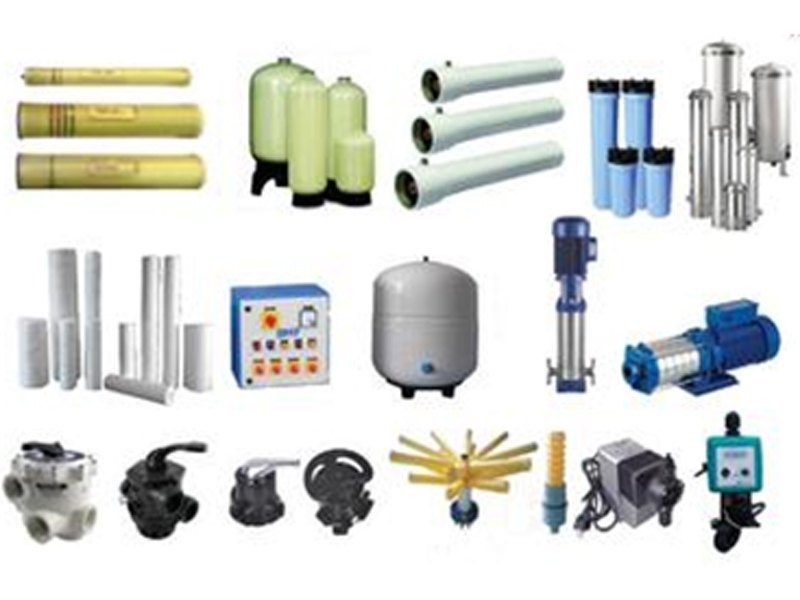
So, you’re in charge of a water or wastewater treatment plant. Let me guess: you spend your days making sure people can flush their troubles away and drink something that doesn’t kill them. Glamorous? Not really. Essential? Absolutely. But here’s the dirty little secret nobody talks about: your entire operation is only as good as its most annoying, forgotten replacement part.
Think of your plant like a classic car from the 1970s. It’s loud, it’s grumpy, and if you don’t replace the right little widget, it will leave you stranded in a metaphorical ditch—only this ditch is filled with raw sewage. And nobody wants to swim in that ditch.
The Unsung Heroes (and Villains) of Your Plant
Let’s talk about the parts that keep the magic happening. First up: pump seals. These little rubber devils are the bouncers of your water world. They keep the liquid inside the pump where it belongs. But when a seal fails? It’s like a toddler with a juice box—messy, inevitable, and always at the worst possible moment.
Must Read
Fun fact: a single failed pump seal can leak hundreds of gallons of water per day before you even notice. That’s like running a faucet for a week because you forgot to replace a $20 piece of rubber. Surprising fact: The average wastewater plant goes through more pump seals in a year than a NASCAR team goes through tires. And the stakes? Higher. NASCAR crashes into a wall. You crash into an EPA violation.
The Valve That Ruined My Tuesday
Valves. Oh, the valves. You’ve got butterfly valves, gate valves, check valves—basically a whole zoo of metal and plastic that either let water through or stop it with prejudice. Here’s the kicker: a sticky butterfly valve is the plant equivalent of a stubborn cat. It works perfectly fine for years, then one day it just… doesn’t. And you have to crawl into a dark, wet hole to fix it while someone yells “is it done yet?” from a safe distance.
Pro tip: always keep a spare diaphragm for your pinch valves. A pinch valve works by squeezing a rubber tube, like a boa constrictor hugging a water balloon. When that diaphragm rips, the water doesn’t just leak—it celebrates its freedom. Replace it fast, or you’ll be flushing your weekend plans down the drain.
Filters: The Picky Eaters of Clean Water
Filters are the prima donnas of the treatment world. They crave filter media—sand, anthracite, carbon—like a hipster craves artisanal toast. Without fresh media, your water looks like weak tea with a grudge.
But here’s the weird part: you can’t just dump any old sand in there. No, you need specifically graded silica sand. It’s like the difference between beach sand and kitty litter. One will give you crystal-clear water. The other will make your plant look like a frat house after a mud fight. Surprising fact: The first modern water filter was invented by a Scottish doctor in 1804. He used wool and charcoal. We’ve basically just upgraded to fancier charcoal.
The O-Ring Conspiracy
Let’s talk about the microscopic supervillain of every repair: the O-ring. This tiny circle of rubber is the reason your $5,000 pump is currently flooding the basement. O-rings have one job: make a seal. But they crack, they shrink, they get old, and they love to do it at 2 AM on a holiday weekend.
I have it on good authority that O-rings are secretly manufactured by disgruntled elves who live in a damp warehouse. “Let’s make it perfectly round,” they cackle, “but just a millimeter too small so it pops out the second you tighten the flange!” Stock up on the sizes that matter: 1/8 inch, 1/4 inch, and the one you just dropped into a sump pit.
 Sewage Treatment Plant Spare Parts at ₹ 3500/piece | Wastewater
Aeration Systems: The Bubbly Personality
If your plant has an aeration system, you’ve got diffusers. These are the things that blow air into the water so bacteria can party and eat the poop. When a diffuser membrane clogs, the bacteria throw a hunger strike. And nobody wants a hungry bacteria. They get cranky. They don’t do their job.
Replacing diffuser membranes is like changing a giant, wet, smelly showerhead. It’s gross, but you’ll feel like a hero when the bubbles come back. Fun fact: A single diffuser can push thousands of microscopic air bubbles per second. That’s more bubbles than a champagne bottle factory on New Year’s Eve.
The Motor That Moans
Every plant has that one motor that sounds like it’s dying. It whines. It hums. It makes a noise like a haunted refrigerator. That’s your bearings, my friend. Bearings are the tiny ball-bearings that let things spin smoothly. When they wear out, your motor sings the song of its people—a song that ends with a cloud of smoke and a giant repair bill.
Keeping a spare set of bearings is cheaper than therapy after explaining to your boss why the main lift station is down. And always get the stainless steel ones for wet environments. Nothing says “I hate my job” like replacing rusted bearings with… more rusted bearings.
The Golden Rule of Spare Parts
Here’s the final truth: you will never have the part you need. It’s a law of physics, like gravity or the fact that toast always lands butter-side down on a new floor. The key is to buy critical spares before you need them—valve rebuild kits, pump impellers, and enough O-rings to send those disgruntled elves into retirement.
And remember: a water plant is basically a giant, noisy, wet version of your body. It needs clean parts, regular maintenance, and a sense of humor. Because when you’re elbow-deep in a trickling filter on a hot August day, the only thing that will save you—besides a good gasket—is the ability to laugh at the absurdity of it all.
Now go order that spare seal kit. You know you need it.
