What Element Is Added To Toothpaste And City Water Systems

So, you’re sitting there, brushing your pearly whites, and you take a sip of tap water. Ever wonder what’s the secret ingredient lurking in both? It’s not fairy dust or unicor...
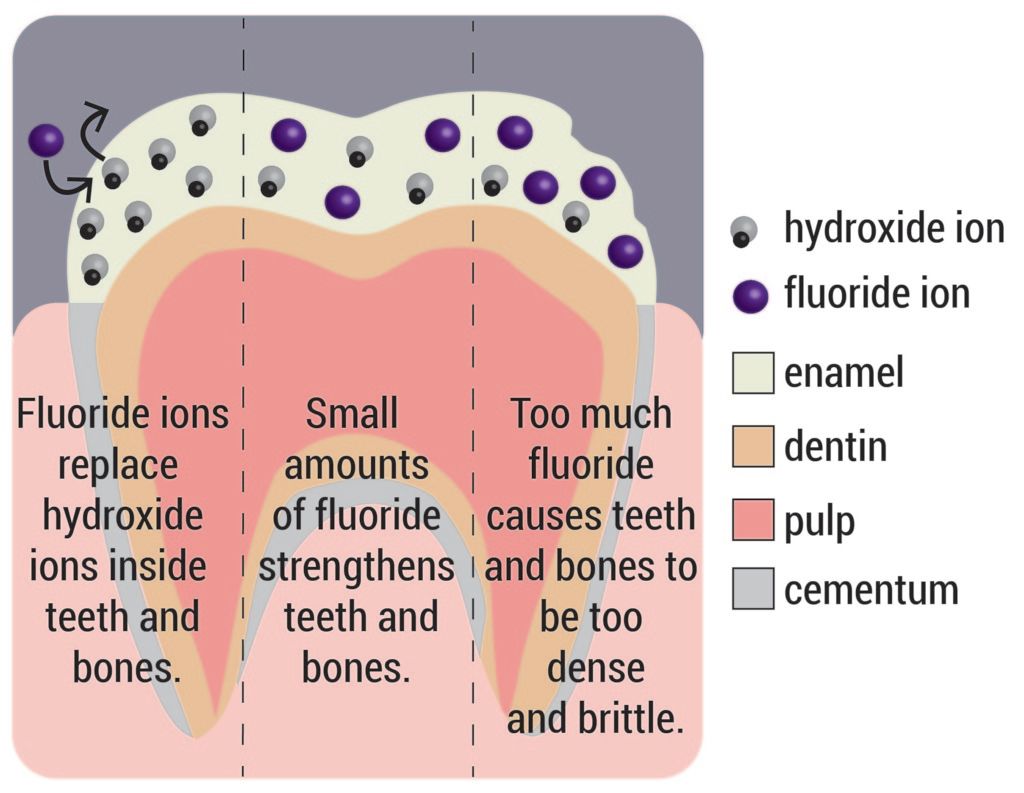
So, you’re sitting there, brushing your pearly whites, and you take a sip of tap water. Ever wonder what’s the secret ingredient lurking in both? It’s not fairy dust or unicorn tears—I checked. It’s fluoride, a tiny chemical celebrity that’s basically the bouncer for your teeth. And yes, it’s added to your toothpaste and your city water, like a weird, all-access pass to your mouth.
Fluoride is a stealthy little mineral that’s been waging a war on cavities since the 1940s. Think of it as a microscopic army of repair bots that rebuilds tooth enamel before sugar monsters can eat it alive. Fun fact: It was discovered by accident when scientists noticed folks in certain areas had fewer cavities, thanks to naturally high fluoride in their water. Turns out, nature’s own concoction was better than any marketing gimmick.
How This Magic Mineral Works (No Lab Coat Required)
When you brush with fluoride toothpaste, it’s like sending a reinforcement squad to your teeth after a sugary snack attack. The fluoride ions swap places with weaker bits in your enamel, making it harder and more acid-resistant. Imagine your teeth wearing tiny suits of armor—fluoride is the blacksmith.
Must Read
In city water systems, the game is even simpler: they add a tiny, carefully measured amount—about 0.7 parts per million. That’s like one drop in a swimming pool. It’s there to give your whole mouth a constant, low-level bath of protection, even when you forget to floss (we all do it, don’t lie).
The Great Fluoride Debate (Spoiler: It’s Not Poisonous)
You’ve probably heard the wild rumors: “Fluoride is mind control!” or “It’s a government plot to lower your IQ!” Relax, conspiracy theorists—I’ve looked into it. The American Dental Association and the World Health Organization both say it’s safe in the amounts used. You’d have to drink a firehose of water to get sick, and that much water would kill you faster anyway.
But here’s the joke: if fluoride were truly a poison, your toothpaste would come with a hazard suit, not a smiley face. The real danger is fluorosis, a cosmetic condition that gives teeth white spots if kids swallow too much while brushing. So don’t let toddlers eat the tube—they’ll just get sparkly, confused teeth and a weirdly clean tongue.
A Brief, Weird History Lesson
Back in the early 1900s, a dentist named Dr. Frederick McKay noticed that people in Colorado Springs had brown, mottled teeth—but zero cavities. He called it “Colorado Brown Stain.” Turns out, the water there was naturally high in fluoride. Bingo: ugly teeth, but rock-solid ones. Fast forward, and cities thought, “Let’s add the good part without the brown stain.” And thus, water fluoridation was born—a move so effective it’s been called one of the top 10 public health achievements of the 20th century.
 Toothpaste Elements Present at Bertha Arrington blog
Think about that: your tap water is basically a cavity-fighting potion that’s been perfected over 80 years. It’s cheaper than a root canal and doesn’t require you to sit in a dentist’s chair while they talk about your flossing habits. Which we all lie about anyway.
Is It In Everything? (Spoiler: Almost)
Besides toothpaste and city water, fluoride shows up in mouthwash, some salts, and even tea leaves. Yes, your morning Earl Grey is a mild fluoride delivery system. So if you’re already sipping tea and brushing, you’re basically a walking fortress of dental health. Surprising fact: Black tea can contain up to 0.5 mg of fluoride per cup. That’s like a mini-dose of city water, but with caffeine.
And for the rare folks who live off-grid or prefer well water? You might miss out. Some natural wells have too much fluoride (brown teeth) or too little (cavities city). That’s why cities adjust it—like a bartender mixing the perfect cocktail for your smile.
The Bottom Line (Because We’re Not Dentists)
So there you have it: fluoride is the unassuming hero that fights tooth decay while you sleep, eat, and exist. It’s added to toothpaste for the direct punch and to water for the background hum of protection. Without it, your teeth would be like a castle with no moat, facing endless sugar dragons.
Next time you brush, say a tiny thank-you to fluoride. And if someone tells you it’s a poison, just smile big and walk away. Your shiny, cavity-free grin will be the last word. Now go drink some water—and don’t forget to spit, not swallow.
