What's The Difference Between Distilled Water And Tap Water

Picture this: you’re standing in the kitchen, staring at two glasses of water. One came from the tap—glugging out like a loyal, hardworking plumber. The other is a fancy bottl...

Picture this: you’re standing in the kitchen, staring at two glasses of water. One came from the tap—glugging out like a loyal, hardworking plumber. The other is a fancy bottle of distilled water, looking all smug and pure. You’re probably thinking, “Aren’t they just… wet?” Oh, my friend, you have no idea. Let’s dive into this watery rabbit hole—no floaties required.
Tap Water: The Chaotic, Hard-Working Hero
Tap water is the life of the party—but a very messy one. It’s collected from lakes, rivers, or underground aquifers, then treated with chemicals like chlorine to kill bacteria. It’s basically a soup of minerals: calcium, magnesium, and sometimes even fluoride, which is great for your teeth but weird to think about drinking.
Think of tap water as that friend who shows up with chips, dip, and a story about their landlord. It’s convenient, cheap, and safe—but it’s also full of character. And by character, I mean trace amounts of everything from rust in old pipes to, um, microplastics. (Don’t panic—you’re already full of them. We’re all just walking Tupperware now.)
Must Read
In most places, tap water is more regulated than bottled water. Surprise! The EPA oversees it like a hawk, while bottled water gets a friendly wave from the FDA. So that fancy bottle? It’s basically tap water with a pricier label and a midlife crisis.
Distilled Water: The Pristine, Slightly Boring Cousin
Distilled water is what happens when tap water goes to a spa and gets a total identity makeover. It’s boiled until it turns into steam, then condensed back into liquid. This process leaves behind everything—minerals, bacteria, chemical contaminants, and your hopes of having any taste at all.
Result? Pure H2O. So pure, in fact, that it’s technically too clean for your body to enjoy. Without minerals, it’s like a party with no music, no snacks, and one very boring dude in the corner. Distilled water will leach minerals from your body if you drink it long-term—which is why astronauts don’t chug it, and why you shouldn’t either, unless you’re a lab experiment.
It’s also a bit of a thirst trap for your taste buds. You know how snow tastes like nothing? Distilled water is that, but lukewarm. It’s what water would taste like if it had zero personality—basically the cardboard of the beverage world.
So, What’s the Actual Difference?
Here’s the skinny: Tap water = nature’s smoothie, lightly pasteurized. It’s got minerals that help your heart beat and your bones stay hard. Distilled water = a sterile, empty room. It’s great for your iron, your car battery, and your CPAP machine—but not so great for your kidneys over the long haul.
Fun fact: distilled water can actually pull toxins out of your body if you drink it exclusively. But it also pulls out essential minerals like calcium and magnesium. It’s like hiring a cleaner who also steals your silverware. Thanks, but no thanks.
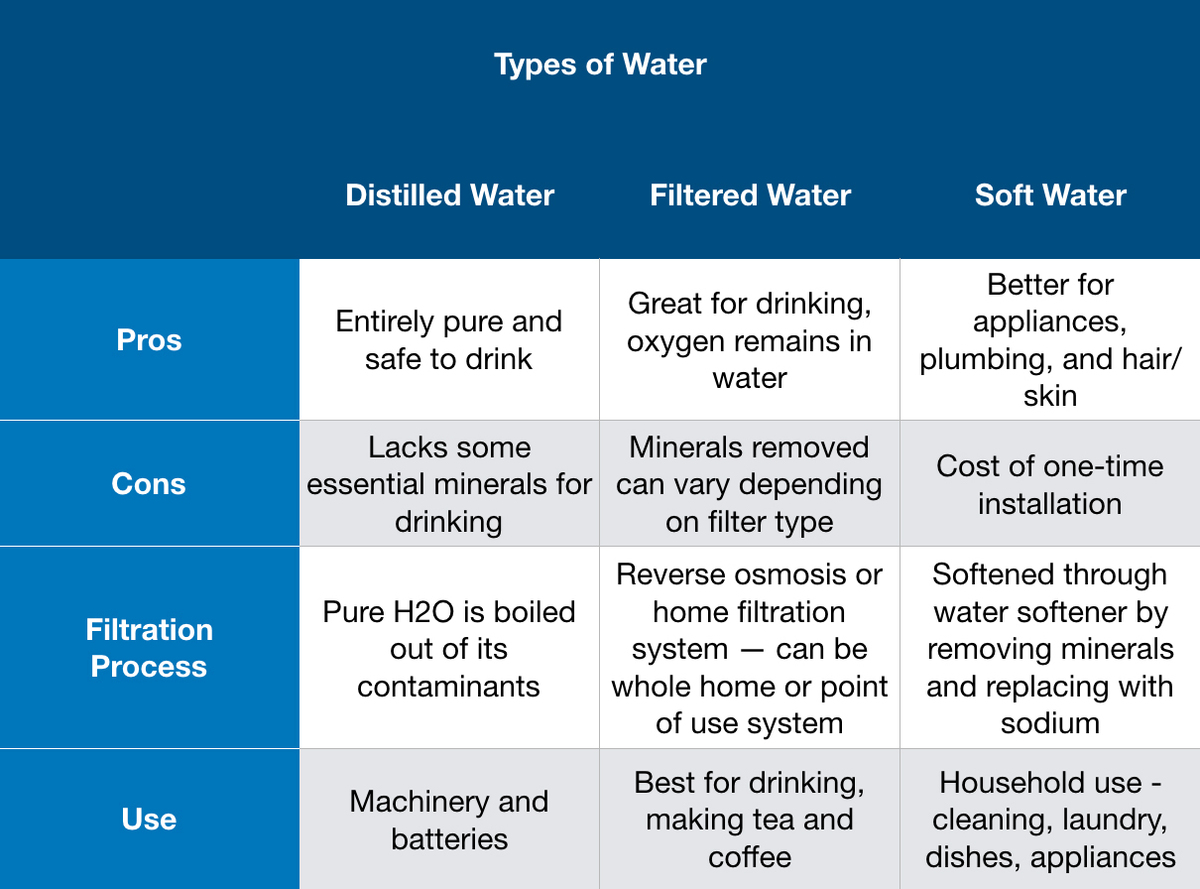 Distilled Water vs Tap Water: Is There a Difference? — WaterSmart
Tap water, on the other hand, can cause scale buildup in your kettle (that white crusty stuff) and sometimes smells like a swimming pool. But it’s alive. It has a story. Distilled water’s story is: “I was born in a fever, and now I’m dead inside.”
When Should You Use Each?
For drinking daily? Stick with tap water—filter it if you’re fancy. Your body craves those minerals like a cat craves that one spot on the couch. For your iron, humidifier, or car radiator? Distilled water is the unsung hero. It won’t leave white bathtub rings or kill your electronics with mineral buildup.
Also, if you’re making coffee, don’t use distilled water. It makes coffee taste like hot regret. Use filtered tap water for that morning hug in a mug. Trust me, your taste buds will thank you.
One last curveball: distilled water can absorb carbon dioxide from the air, making it slightly acidic—like water that’s been passive-aggressively sulking. That’s why it tastes flat and weird. Tap water? It’s got buffering buddies that keep it neutral and happy.
The Verdict (Over Tea, Obviously)
In the great water Olympics, tap water is the scrappy local champion who trains on pizza and dirt. Distilled water is the gold medalist who only eats kale and cries when they lose. Both have a place, but for your everyday hydration, tap water wins—just maybe run it through a filter if your pipes are older than your grandparents.
And if you ever feel fancy? Give distilled water a swirl. It’ll taste like nothing, but you can tell your friends, “I’m drinking lab-grade hydration.” Then watch them slowly back away. That’s the real difference: one water comes from the earth; the other comes from a fever dream. Drink up, you beautiful, mineral-loving mammal.
