Advanced Deionized Water Filtration Units For Quality Control

So, you think you drink clean water. You see that glass of tap water, clear as a bell, and you think, “Ah, perfection.” But let me stop you right there, friend. That “pure” wa...
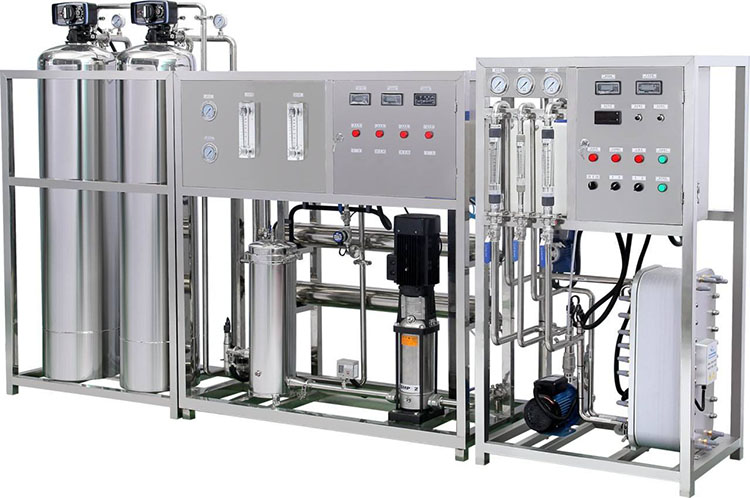
So, you think you drink clean water. You see that glass of tap water, clear as a bell, and you think, “Ah, perfection.” But let me stop you right there, friend. That “pure” water is a raging chemical mosh pit. It’s got calcium, chlorine, and—I kid you not—microscopic bits of uranium from the ground. That’s right, your morning glass of H2O is basically a heavy metal concert for your kidneys. Enter the hero we don’t deserve: the Advanced Deionized Water Filtration Unit. We’re not talking about a Brita pitcher here. We’re talking about a machine that makes water so pure, it would apologize for having a flavor.
Deionization? Sounds Like a Hospital Procedure
Relax, nobody is removing your ions. Deionization (or DI) is the art of stripping water of every single charged particle. Imagine a vacuum cleaner for electricity. The water passes through special resin beads that act like tiny, angry bouncers at a club: they grab onto calcium, magnesium, copper, and sodium, and toss them out. The result? Water that is so dead that it literally cannot conduct electricity. Yes, you could theoretically dip a live toaster in it and survive. Do not try that at home. I know you’re tempted, but please, just read on.
Why Do We Need Water This Clean? For the Love of Science!
You might be thinking, “I’m not a lab rat. I’m just a person who wants to hydrate.” That’s fair. But here’s a surprising fact: deionized water is cleaner than rainwater. Rainwater is basically nature’s recycled bathwater—full of dust, bacteria, and airplane poop. Gross, right? DI water is so pure that it actually wants to steal minerals from your body. If you only drank this stuff, your teeth would start begging for mercy. So we don’t usually drink it. Instead, we use it to wash the things we do trust with our lives. Computer chips. Car engines. Contact lenses. The machine that makes your soda fizzy. One speck of calcium in a soda can, and your cola turns into a chalky nightmare. God forbid.
Must Read
Now, let’s talk about the advanced part. These aren’t your grandpa’s water softeners. Modern DI units are tyrannically precise. They measure purity in “megohms.” That’s a unit of resistance. Tap water? Maybe 0.1 megohms. Deionized water? We’re talking 18.2 megohms. That’s so clean that if you dropped a single grain of salt into a swimming pool of this water, the machine would scream. It would literally beep at you in a disappointed mother tone. “You spilled the salt, Kevin. Start over.”
The Secret Weapon: Mixed-Bed Resin
Inside these units, there’s a magical chamber called a “mixed-bed” deionizer. It’s a party where tiny positive-resin beads and negative-resin beads are forced to mingle. They hate each other, but they work together to grab everything. It’s like a buddy cop movie where the two cops are chemically opposite but they will stop the sodium menace. And when the beads get full of junk, you either replace them or—for the fancy units—you “regenerate” them with acid and caustic soda. Yes, you have to pump aggressive chemicals into a machine to make water pure. It’s like hiring a punk rock band to install a library. I love the irony.
What Happens When You Mess Up?
Imagine you’re a pharmaceutical company making a miracle drug. Your batch of pills needs to be dissolved in water that is practically nothing. If the DI unit fails, your heart medicine suddenly has a hint of copper. Congratulations, you’ve just created a pill that tastes like a penny. Or worse, you’re a microbrewery making an IPA. You use ordinary tap water, and the chlorine reacts with the hops to create a beer that smells like a swimming pool. No thank you. Advanced DI units have real-time sensors that text your phone: “Your water is dirty, fix it, you monster.” It’s the bossiest appliance you will ever own.
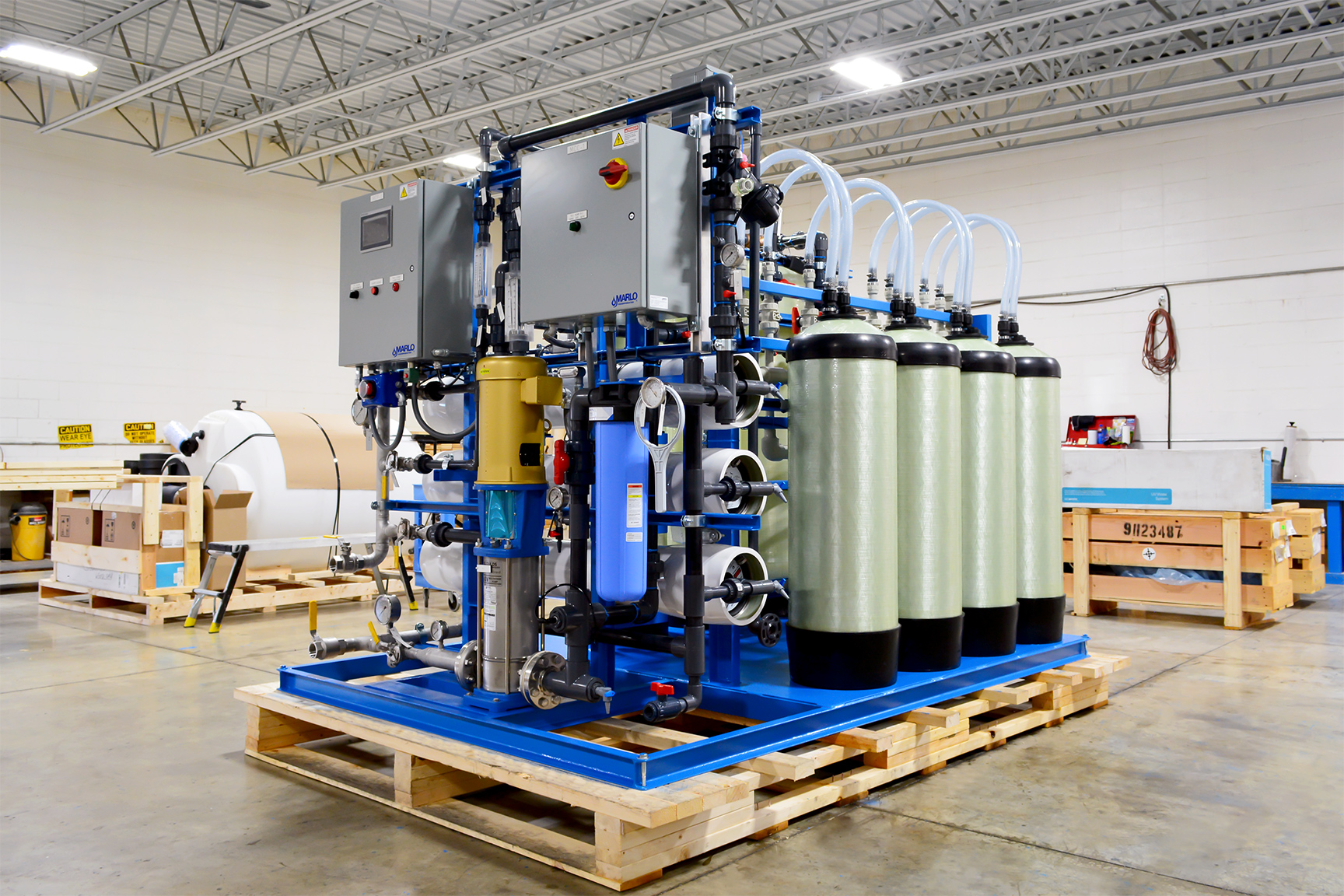 Deionized Water System | MARLO
Here’s another wild fact: The semiconductor industry uses more ultrapure water than any other industry. They need it to wash silicon wafers for your phone. One speck of dust in that water, and the chip inside your laptop becomes a paperweight. So the next time you scroll Instagram on your phone, thank a DI filter. It scrubbed the water that made your screen work. That’s a heavy burden for a cylinder of plastic beads.
Should You Buy One for Your House?
Unless you are a mad scientist building a robot in your garage, absolutely not. But here’s a hilarious use: people use DI water to wash their cars. Normal water leaves “water spots” because of the minerals. DI water leaves nothing. Your car dries spotless, like a unicorn sneezed on it. But the minute you rinse the car, the hose water leaves dots everywhere. It’s a tragic comedy. The only solution? Build a $5,000 deionization system for your driveway. Your neighbors will think you’re insane. They’re not wrong.
In the end, advanced deionization is a beautiful, obsessive insanity. It is water so clean it has no memory, no taste, and no dignity. It exists only to serve science, soda, and a perfectly spotless Bugatti. So next time you see a technician in a white coat frowning at a digital meter, give them a nod. They are the guardians of nothingness. And that nothingness, my friends, makes everything you love work better. Cheers. But please, don’t cheers with the DI water. Your body will win that fight.
