What's The Difference Between Drinking Water And Purified Water

Let’s be honest—most of us don’t spend a lot of time thinking about the water we drink. You turn on the tap, fill a glass, and gulp it down. Or maybe you grab a bottle of “pur...
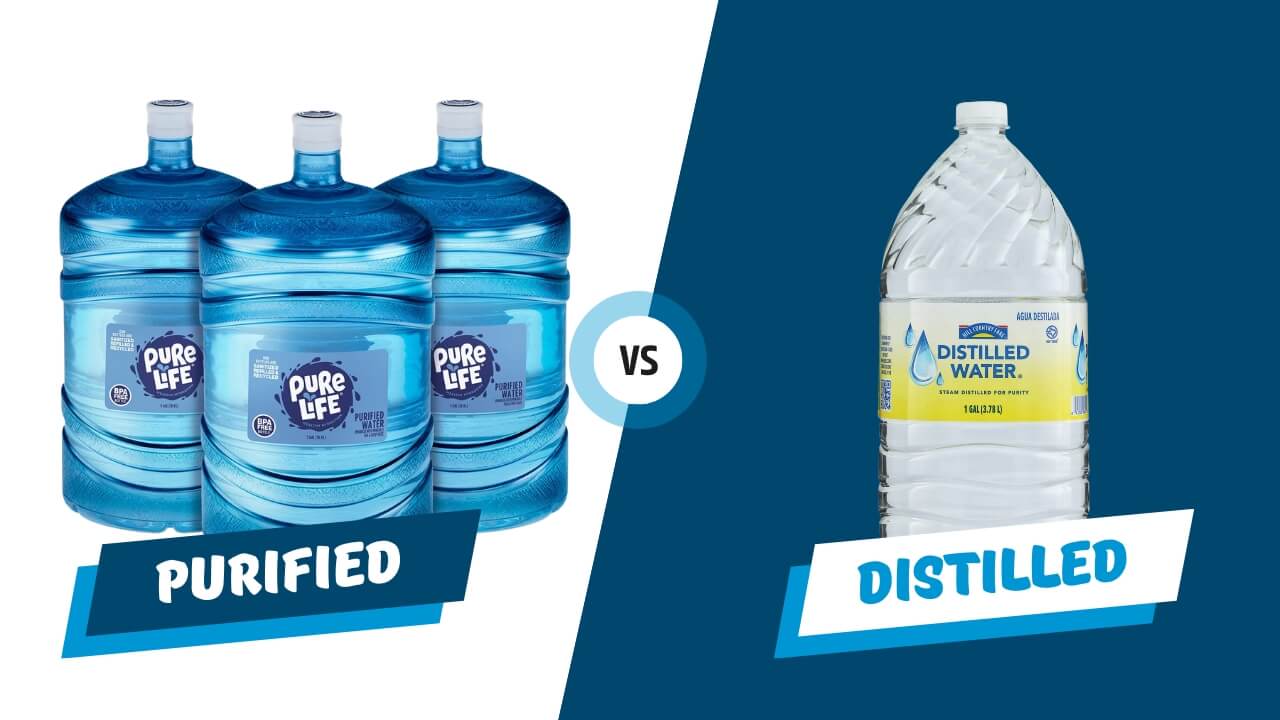
Let’s be honest—most of us don’t spend a lot of time thinking about the water we drink. You turn on the tap, fill a glass, and gulp it down. Or maybe you grab a bottle of “purified water” at the store because it sounds fancier. But is there really a difference between plain old drinking water and purified water? And if there is, should you actually care? I promise, this is way more interesting than it sounds—and I’ll keep the science talk to a minimum.
The short version: it’s all about what’s not in the water
Think of drinking water from your tap as the basic, everyday water. It comes from a local source—like a river, lake, or underground well—and gets treated by your city to remove things like dirt, bacteria, and some chemicals. It’s perfectly safe to drink, and it’s what most of us grew up on. It’s the water you use to make coffee, boil pasta, and water your plants without a second thought.
Purified water, on the other hand, has been given a serious spa treatment. It goes through extra steps—like reverse osmosis, distillation, or deionization—to strip out almost everything that isn’t pure H2O. This means it removes not only the nasty stuff (like lead or chlorine) but also harmless minerals like calcium and magnesium. The result? Water that’s so clean, it’s practically blank.
Must Read
A little story: the tap water vs. the fancy bottle
Last summer, my friend brought a huge jug of “premium purified water” to our picnic. She poured it into cups with so much ceremony, you’d think it was liquid gold. Meanwhile, I filled my bottle from the park’s water fountain. We both drank, and guess what? We didn’t spontaneously combust. But here’s the funny part—she kept saying her water tasted “crisper,” while mine just tasted like… water. The truth is, most people can’t tell the difference in a blind taste test. But if you live somewhere with funky-tasting tap water, purified water can be a game-changer.
So when does that happen? Well, if your tap water has a faint smell of bleach (thanks, chlorine), a metallic tang (hello, old pipes), or a weird earthy flavor (pond algae, anyone?), purified water skips all that. It’s like hitting the reset button on your taste buds. But if your tap water already tastes great, you honestly don’t need to upgrade.
Why should you even care? Let’s make it practical
Here’s where the rubber meets the road. You care because this affects your daily life. Think about your morning routine. You fill your kettle with tap water for coffee—but if your water is hard (full of minerals), your kettle gets crusty white buildup that’s a pain to clean. Purified water won’t leave that scale, so your coffee maker stays happy longer. Same goes for your iron and your humidifier—they last longer with purified water because there’s less junk floating around to clog them up.
 Water Sustainability in the Future: Trends and Technologies
And here’s a big one: people with compromised immune systems or specific health conditions often benefit from purified water. If you’re on chemotherapy, have an autoimmune disorder, or are just super sensitive to tiny amounts of chemicals, ultra-pure water can be a relief. For the rest of us, though, it’s more about preference than necessity.
The mineral myth (and why your plants might rebel)
You’ve probably heard someone say, “Purified water is bad because it doesn’t have minerals!” That’s mostly a myth for healthy people. You get your minerals—like calcium and magnesium—from food, not from your water glass. A slice of cheese or a handful of almonds has more calcium than a gallon of tap water. So unless you’re stranded on a desert island with only purified water for weeks, you’re fine. But here’s a funny twist: your houseplants might not like purified water because they miss those trace minerals. My fern actually threw a little fit (okay, it just drooped) when I switched to purified water. Tap water made it perk right back up. So, plants prefer the regular stuff.
The bottom line: when to choose each one
Stick with tap water (aka drinking water) when you’re just hydrating, cooking, or watering your garden. It’s cheap, it’s regulated, and it’s perfectly healthy for most people. Use purified water when you want the cleanest possible taste, when you’re traveling somewhere with questionable water, or when you’re using appliances that get clogged by minerals. Also, if you have a baby, many pediatricians recommend using purified water for mixing formula to avoid any extra chemicals.
At the end of the day, the difference between drinking water and purified water is like the difference between a cozy diner coffee and a pour-over from a hip café. Both are coffee. Both will wake you up. One just has a little more attitude—and a bigger price tag. So next time you’re standing in the grocery aisle staring at a shelf of fancy water bottles, just smile and remember: you’re really just paying for extra processing. And unless your tap water tastes like a swimming pool, you’re probably good with what’s already flowing from your faucet. Stay hydrated, friend—no matter which kind you choose!
