What's The Difference Between Fabric Softener And Fabric Conditioner

So, picture this: I’m standing in the laundry aisle of my local grocery store, feeling like a complete fraud. I’d just spent ten minutes reading bottles, smelling lids, and Go...
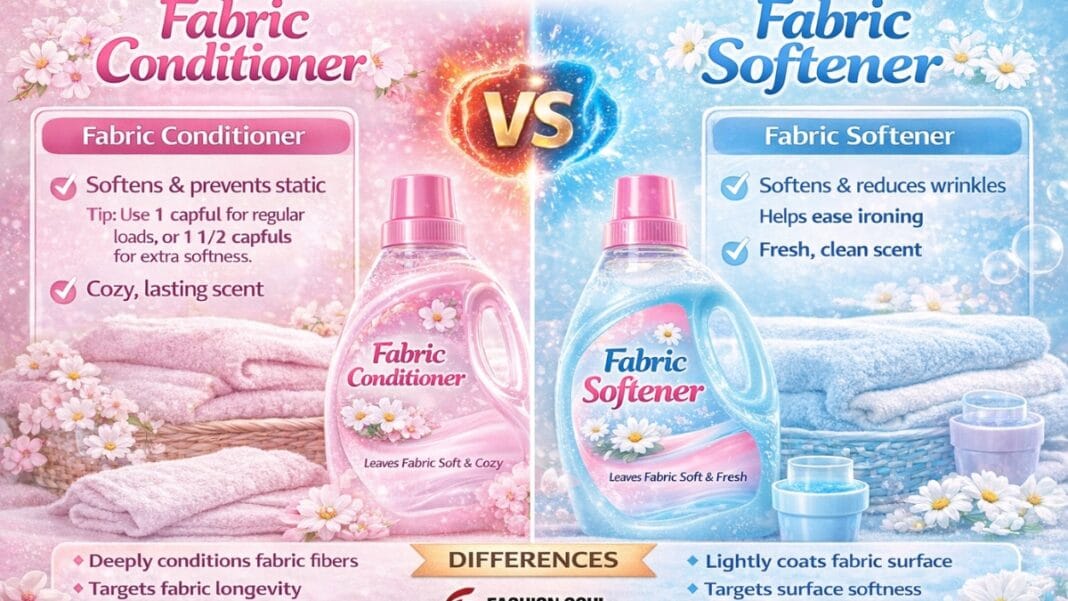
So, picture this: I’m standing in the laundry aisle of my local grocery store, feeling like a complete fraud. I’d just spent ten minutes reading bottles, smelling lids, and Googling on my phone like a secret agent. My cart had two different bottles—one labeled Fabric Softener, the other Fabric Conditioner—and I genuinely couldn’t tell you what made them different. Spoiler: they’re basically the same thing, but the marketing departments have a field day making you think otherwise.
Let’s cut through the confusion, shall we? The short answer is that fabric softener and fabric conditioner are actually the exact same product with a fancy name swap. Think of it like calling a sofa a couch—it’s the same piece of furniture, just dressed up for different crowds. But why the two names? It all comes down to branding and geography.
The Real Deal: Chemistry vs. Hype
Both products are essentially a blend of oils, emulsifiers, and fragrances designed to coat your clothes’ fibers. This coating reduces static cling, makes fabric feel softer, and leaves that “fresh laundry” scent we all secretly huff. The only difference? Zilch in the base formula—unless you’re buying a specialized version for sensitive skin or eco-friendly needs.
Must Read
Here’s the ironic part: companies started using “fabric conditioner” to sound more sophisticated, like you’re giving your clothes a spa treatment. Meanwhile, “fabric softener” feels grandma-ish, right? But don’t be fooled—they both do exactly the same job.
But Wait—Do They Ruin Your Clothes? (The Real Tea)
Now, here’s where I drop the awkward truth: both softeners and conditioners can actually damage your clothes over time. That waxy coating? It builds up on fibers, reducing absorbency in towels and making workout gear smell funky. Ever noticed your favorite gym shirt smells like a damp sock after a few washes? Blame the softener. It traps bacteria and sweat—gross, but true.
For microfiber cloths, sportswear, and towels, you should skip both products entirely. They’ll ruin the fabric’s ability to wick moisture or dry you off. But for your old cotton t-shirts or cozy sheets? Go ahead—it’s not a sin, just a luxury.
Geography Lesson: Softener vs. Conditioner in the Wild
Ever noticed that Americans say “fabric softener” while Brits and Aussies swear by “fabric conditioner”? It’s a classic case of regional branding. In the UK, “softener” sounds too 1980s, so shops stock “conditioner” to make you feel like you’re pampering your wardrobe. In the US, “conditioner” is for your hair—laundry stuff is “softener.” Seriously, it’s that petty.
I once saw a German brand sell the exact same formula under both names in different countries. They literally just swapped the label and called it a day. Marketing magic, baby.
What About Liquid vs. Dryer Sheets?
Okay, so you’re standing there with a bottle of liquid and a box of dryer sheets. Are they the same? Nope. Dryer sheets are a physical sheet coated with the same softening chemicals, but they work in heat. Liquids go into the wash cycle. Both do the job, but dryer sheets can leave that weird greasy residue on dark clothes—ever seen those white spots? Yeah, that’s the sheet’s wax melting onto your black jeans.
 Fabric Softener vs. Fabric Conditioner: the Real Difference?
For less drama, use liquid in the washing machine’s dispenser. But honestly? If you hate static, a dryer sheet is fine. Just don’t use both—you’ll basically drown your laundry in product goo.
The Eco-Conscious Twist: A New Player
Now, the industry is throwing a curveball: natural fabric conditioners that use vinegar, essential oils, or plant-based ingredients. These still soften clothes but biodegrade faster. Some brands even claim they’re “conditioners” to differentiate from chemical-laden softeners. Sneaky, but I respect the hustle.
If you’re worried about allergies or the environment, look for products labeled “free and clear” or “plant-derived.” They’ll cost more, but your skin and the planet might thank you. Or, you know, just toss a half-cup of white vinegar in the rinse cycle—it works shockingly well and costs pennies. (Pro tip: your clothes won’t smell like a salad, I promise.)
So, Which One Should You Buy?
Here’s my no-nonsense take: buy whichever one is on sale. Seriously. The name on the bottle is irrelevant—check the ingredients list if you need proof. Both are a cocktail of chemicals designed to make your laundry smell like a meadow and feel like a cloud. Want static-free sheets? Use either. Want high-performance gear? Use neither.
And if you’re still standing in that aisle, confused? Just grab the one with the prettiest label. Your clothes won’t know the difference, and your brain can stop stressing. Laundry is already boring enough—don’t overthink it.
P.S. — If you really want to feel smart, just call both “clothing lubricant.” Watch people’s faces. You’re welcome.
