Compare Leased Water Purification Systems Manufacturing Plants Northern Ohio

Last summer, my neighbor Carol had a plumbing meltdown that turned her basement into a miniature swimming pool. She was convinced her tap water was to blame, despite the city'...

Last summer, my neighbor Carol had a plumbing meltdown that turned her basement into a miniature swimming pool. She was convinced her tap water was to blame, despite the city's assurances. After three filter replacements and a lot of soggy cardboard boxes, she didn't buy a system—she leased one. And honestly? Watching her finally sip a glass of ice water without that side-eye of suspicion made me think.
That's when I started digging into the weird, wonderful world of leased water purification systems and where they're actually made. If you live in Northern Ohio, you're sitting on a weirdly dense hub of manufacturing plants that do this stuff. It's like the Silicon Valley of clean water, but with more rust and fewer hoodies.
Why lease in the first place?
Let’s get this out of the way: buying a purification system is usually a one-time pain in the wallet. Leasing, on the other hand, feels like a cheat code. You get the fancy reverse osmosis gear without the upfront "oh, I guess I'm not eating out for a month" shock.
Must Read
But here’s the kicker—the manufacturing plants in Northern Ohio are the ones making those lease deals possible. They crank out modular units that are built to be swapped, not repaired. And when you compare them, the differences are hilarious.
Plant A: The old-school workhorse
Drive forty minutes south of Cleveland, and you’ll hit a plant that looks like it hasn't changed since 1987. It smells faintly of coffee and industrial grease. These guys make systems that are tank-like—heavy, reliable, and about as sleek as a cinder block.
Their leased units? They don't break. They just... hum along. You’ll pay a slightly higher monthly fee, but you’ll also never have to wonder if it’s working. It’s the "buy one, cry once" philosophy, but on a lease plan. Honestly, it’s charming, in a stubborn grandpa sort of way.
Plant B: The new kid with the apps
Then there’s the facility near Toledo that I visited last fall. It's all glass walls and LED lights, and the receptionist offered me a matcha latte. Matcha. In a factory. I almost walked out, but I stayed for the tech.
Their leased systems come with Wi-Fi modules that text you when the filter is low. Yes, your water purifier can now ghost you if you ignore it. The manufacturing is lean and automated, so the monthly lease is about 15% cheaper than Plant A. But you'll need to actually look at your phone once in a while.
Plant C: The quiet genius in Akron
Akron doesn't get much love, but this plant is the dark horse. They specialize in industrial-grade commercial leases, but they also do a side hustle of residential units. It’s like finding out your quiet neighbor is a concert pianist.
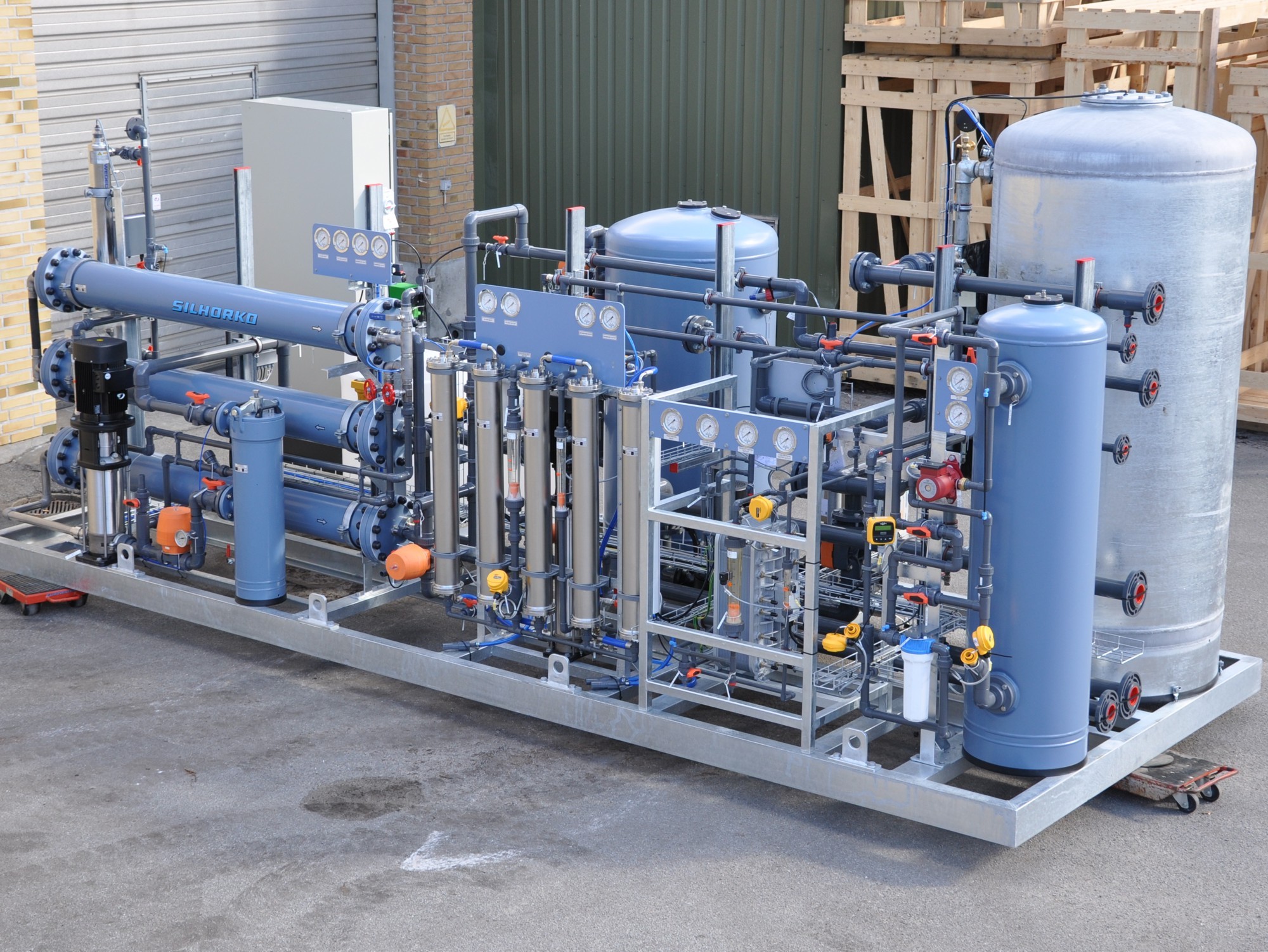 What is the function of the water purification pump in the water
Their systems use a hybrid membrane that lasts 30% longer than standard ones. The lease contract is also weirdly flexible—you can upgrade mid-term without a penalty. It's the opposite of being locked into a phone contract for two years while your phone slows down on purpose. (I’m still bitter about that.)
What to actually compare
Don't just look at the monthly dollar sign. Northern Ohio plants differ wildly in service response times. Plant A will send a technician in coveralls within 24 hours. Plant B sends a chatbot first, then a human if you yell loud enough. Plant C sends a person who also happens to know your name if you've been a customer for a year.
Also, check the maintenance schedule. Some leases include filter swaps automatically; others dare you to remember. I’m not saying Plant B’s system once sent me a passive-aggressive notification that said "your water tastes okay, but we can do better," but I’m not not saying it either.
The water quality reality
Here’s the thing—Northern Ohio’s tap water isn't terrible, but it’s not winning awards. The Lake Erie algae blooms in summer can make water taste funky. A leased purification system is basically a bouncer at the club door, keeping the green stuff out.
Each plant approaches the "taste" differently. Plant A’s systems leave a neutral, almost flat profile. Plant B’s units add a subtle mineral boost (they claim it’s "mountain spring vibe"). Plant C just filters aggressively and says “you figure out the rest.” I prefer C, but Carol swears by A.
Final thought: lease like you mean it
Comparing these manufacturing plants in Northern Ohio isn't just about specs—it's about personality. Do you want the reliable robot or the trendy startup? The stubborn grandpa or the quiet genius? It’s like choosing a streaming service: they all give you water, but the experience is wildly different.
Carol ended up going with Plant A. Her basement is still dry, her water is cold, and she hasn’t had to call a plumber since. Me? I’m still window-shopping, but now I know exactly where to look. And if you see me in Toledo sipping that matcha, you’ll know why.
