Compare Cost-effective Deionized Water Solutions For Healthcare Facilities

Okay, grab your mug. Let’s talk about the secret sauce of healthcare: deionized water. I know, it sounds like something you’d wash a lab coat in. But honestly? It keeps your d...
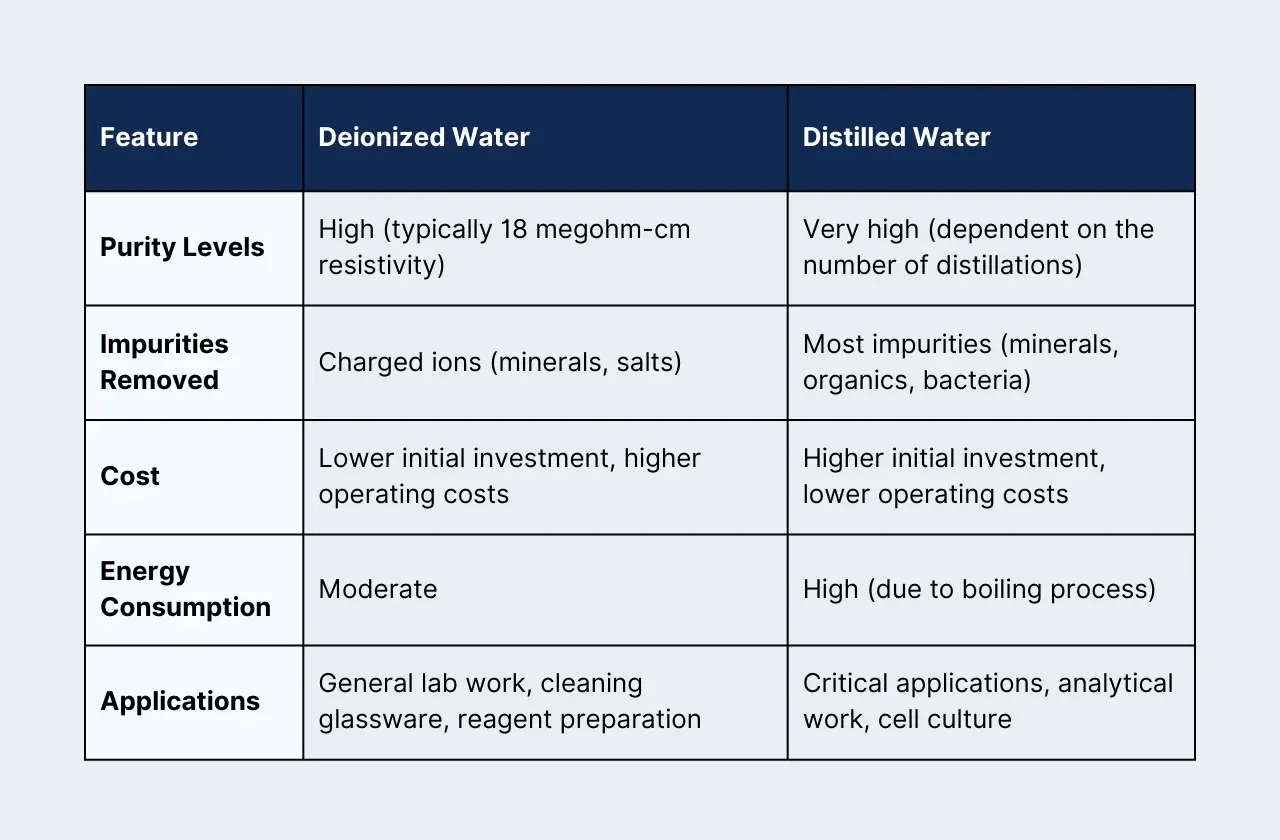
Okay, grab your mug. Let’s talk about the secret sauce of healthcare: deionized water. I know, it sounds like something you’d wash a lab coat in. But honestly? It keeps your dialysis machines happy and your autoclaves from throwing a tantrum.
Here’s the thing: not all DI water is created equal. And neither are the costs. If you’re running a clinic or a hospital, you’ve got to balance budget with purity. Let’s break down the big three options without the corporate jargon, okay?
Option 1: The Mighty Exchange Tank System
This is the old-school workhorse. You get a big plastic tank filled with resin beads that gobble up ions like candy. When the beads get full, you swap the tank for a fresh one from your supplier.
Must Read
Pros? Low upfront cost—like, surprisingly low. No scary electrical installation. Just plug and play. Perfect for smaller facilities or backup loops. Cons? You’re paying for shipping and labor every time you swap. Those tanks get heavy fast, and the service fees add up like lattes.
If your water usage is stable and under 500 gallons a day? This could be your jam. But if you start cranking out gallons for a busy dialysis unit? The costs start screaming.
Option 2: The In-House Reverse Osmosis (RO) + DI Combo
Now we’re talking. This system uses RO to strip out 95% of the bad stuff, then a smaller DI polisher to catch the last stubborn ions. It’s a tag team. The DI resin lasts way longer because it’s not doing all the heavy lifting.
Here’s the money part: The initial cost is higher—think a few thousand bucks. But your ongoing DI resin costs drop dramatically. You only replace the DI cartridge every few months, not every few weeks. That’s a win for your CFO and your sanity.
The catch? You need space for the RO unit, and it uses some water to rinse the membranes. But for medium-to-large facilities? This is often the sweet spot—cost-effective without being a science project. Seriously, it’s the Goldilocks of DI.
Option 3: The Big Gun — On-Site Regeneration (or Electrodeionization)
Feeling fancy? This is the “set it and forget it” method. Systems like EDI use electricity and special membranes to continuously regenerate the resin. No tanks to swap, no cartridges to throw away. Just a tiny chemical injection now and then.
Sound amazing? It is. But brace yourself: the upfront cost is throat-punch level—ten to twenty times more than a tank system. And if your facility doesn’t need that level of purity 24/7? You’re just burning cash.
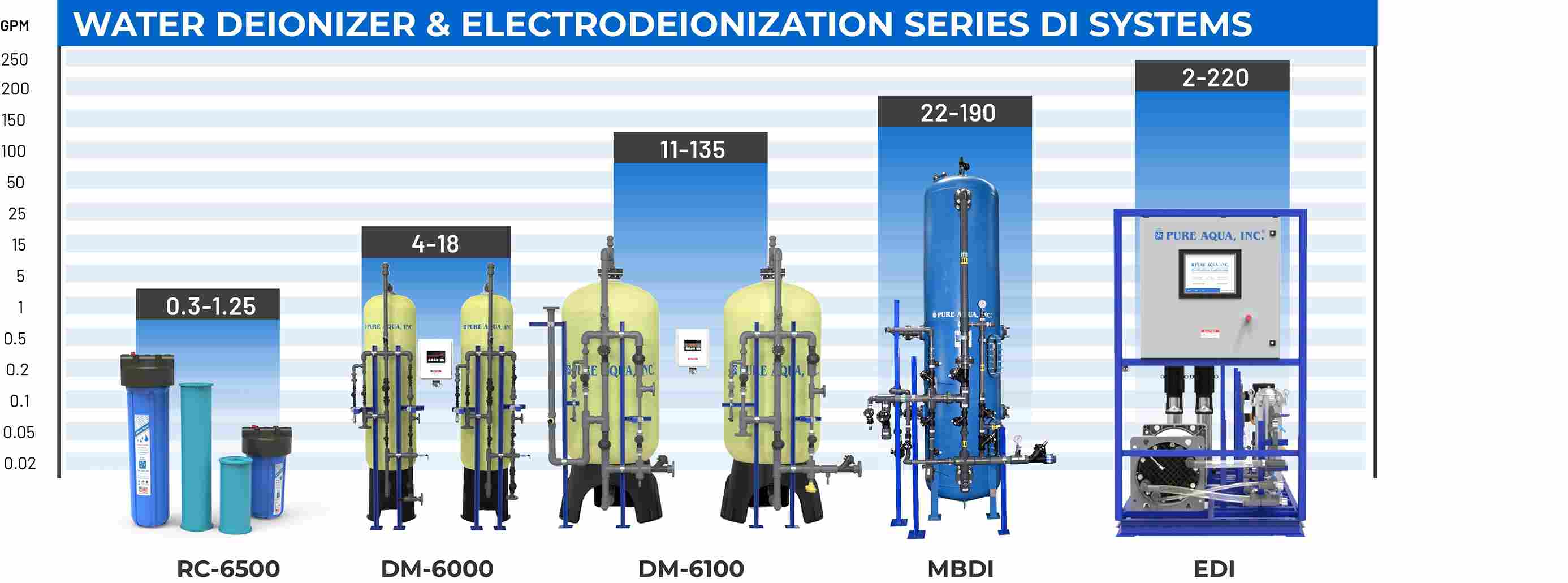 Deionized Water Systems - Pure Aqua, Inc.
Honestly, this only makes sense for huge hospitals with central water loops or specialized labs running critical assays. For everyone else? It’s overkill. Like buying a Ferrari to commute three blocks.
So, Which One Puts Money Back in Your Pocket?
Let’s get real. The best value depends on your water usage. Here’s my rough cheat sheet:
- Low usage (under 200 gal/day): Exchange tanks. Simple. Cheap to start. Just watch the long-term service contract.
- Medium usage (200–1,000 gal/day): RO + DI combo. You’ll save 50% on consumables within six months. Plus, you get consistent quality without surprises.
- High usage (1,000+ gal/day): Consider EDI or on-site regeneration. The capital hit hurts, but your per-gallon cost drops to pennies. It’s the marathon runner.
One More Thing — Don’t Forget the Hidden Costs
Everyone focuses on the sticker price or the resin exchange cost. But what about the install labor? What about the water wasted by an RO system? (Spoiler: that water goes down the drain—so check your utility rates.)
Also, think about redundancy. If your exchange tank runs out at 2 AM on a Saturday, do you have a backup plan? A second tank might be cheap insurance. Or a small RO unit as a spare. Healthcare never sleeps, right?
And here’s a playful tip: ask your water supplier for a trial period. Most companies will let you test an RO + DI system for 30 days. That takes the guesswork out. Pretty sneaky, huh?
Final Thoughts (Because I’m Wrapping Up, Not Preaching)
You don’t need a Ph.D. in chemistry to get this right. Match your solution to your actual flow rate. If you’re a small clinic, lean on tank systems. If you’re a growing outpatient center, the RO combo is your best friend. And if you’re a massive hospital? Yeah, bite the bullet on an EDI system.
The bottom line? Paying for water you don’t use is a waste. But skimping on purity for patient safety? That’s a disaster. Find the balance, and treat your machines (and your budget) to the right solution. Now go refill that coffee—you’ve earned it.
