What Is The Difference Between Pure Water And Distilled Water

So, you’re standing in the water aisle at the grocery store, staring at bottles labeled “pure water” and “distilled water.” And you’re thinking: Wait, aren’t they the same thi...
So, you’re standing in the water aisle at the grocery store, staring at bottles labeled “pure water” and “distilled water.” And you’re thinking: Wait, aren’t they the same thing? I’ve been there, seriously. Let’s grab a coffee (or tea, I won’t judge) and sort this out like two friends gossiping about a chemistry set.
First things first: what’s “pure water” supposed to mean?
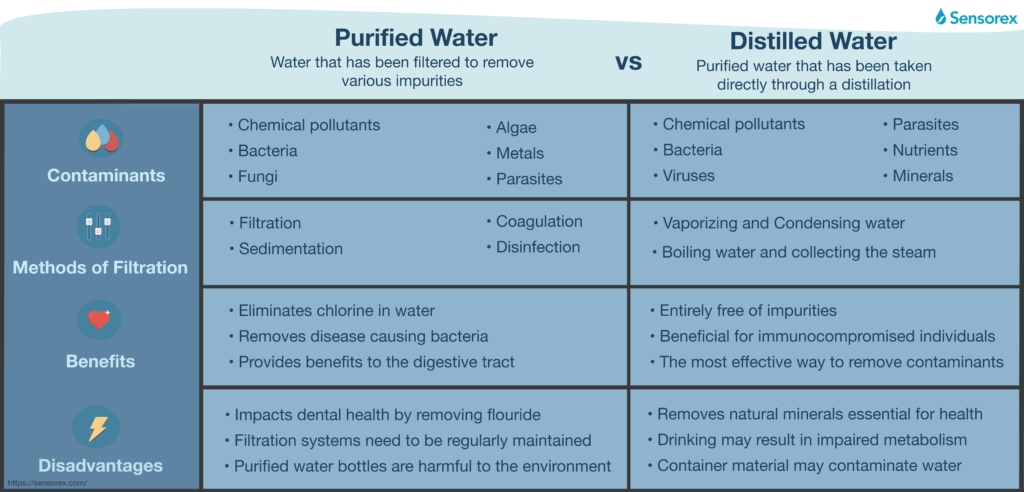
Pure water sounds fancy, right? It’s basically a marketing term. It usually means water that’s been filtered, but not necessarily boiled down to its bare bones. Think of it as a nice spa treatment for your tap water—removing dirt, chlorine, and maybe a few minerals. But here’s the kicker: it’s not totally stripped of everything. It’s like saying you “cleaned your room,” but you just shoved the clutter under the bed.
Distilled water, on the other hand, is the overachiever.
Distillation is a process where you boil water into steam, then cool it back into liquid. This kicks out everything—minerals, bacteria, viruses, even that weird metallic taste. It’s like sending water to boot camp; nothing survives. So when you see “distilled water,” you’re getting H2O in its purest, most boring form. It’s the water equivalent of a plain white T-shirt: functional, but not flashy.
Must Read
So if they’re both “pure,” where’s the line? Here’s the big difference: distilled water is a type of pure water, but not all pure water is distilled. Pure water could be filtered through a Brita pitcher (which leaves minerals behind)—distilled water is unfiltered in the sense that it removes absolutely everything. Confused yet? Let’s break it down with a silly analogy.
Let’s use coffee (because coffee solves everything).
Imagine “pure water” is like a cup of black coffee. You removed the grounds, but it still has some oils and flavor. Now, “distilled water” is like a cup of instant coffee crystals that you boiled, evaporated, and condensed—no flavor, no oils, just caffeine and water. It’s chemically naked. You wouldn’t want to drink that coffee, right? Same deal with distilled water: it tastes flat and lifeless because it lacks the minerals your tongue is used to.
 Is There A Difference Between Purified Water And Distilled Water at
And here’s a fun fact: distilled water is so pure that it can actually leach minerals out of things it touches. Ever seen a metal pipe rust faster with distilled water? Yep, it’s like water with a PhD in chemistry that’s hungry for electrons. Pure filtered water won’t do that—it’s like a polite houseguest.
When do you use each one? Let’s get practical.
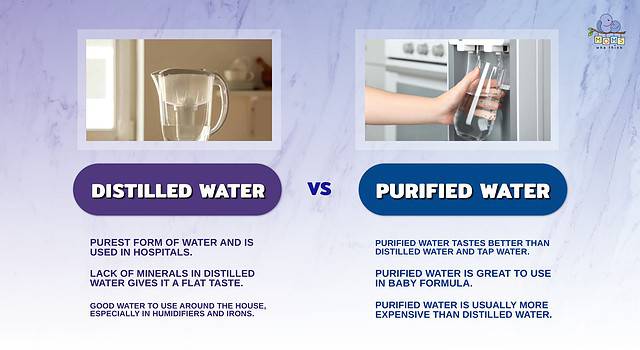
Use pure water (the filtered kind) for drinking, making coffee, or watering your plants. Your plants? They loathe distilled water because it starves them of nutrients. You wouldn’t feed a dog plain rice every day, right? Same vibes. Pure water is great for your body—it still has tiny bits of calcium and magnesium that your kidneys love.
 Distilled vs. Purified Water: 4 Differences & Health Benefits
Use distilled water for your car battery, iron, humidifier, or medical devices like CPAP machines. Why? Because those machines hate mineral buildup (called scale). It’s like giving your appliances a spa day with zero residue. Also, if you’re making homemade kombucha or pickling something fancy, distilled water gives you a sterile starting point. But don’t drink it for weeks on end—you might get a weird mineral deficiency, though you’d probably need to live on nothing else.
But wait—is distilled water actually safe to drink?
Short answer: yes, but it’s boring. Pro athletes sometimes drink it to avoid impurities, but your tap water is usually fine. The real danger? Nothing—it won’t hurt you. It’s just not delicious. I once tried distilled water out of curiosity, and it tasted like wet emptiness. Like if silence were a liquid. You wouldn’t choose it over a crisp mountain spring water, trust me.
So next time you’re shopping, just remember: pick pure water if you want to drink it. Pick distilled if you want to clean stuff without spots. Or just buy the cheapest one and call it a day—nobody’s grading you. Cheers.
