How To Remove Chloramines From Commercial Swimming Pools

So, you’re running a commercial pool—maybe at a hotel, a gym, or a splashy water park. You’ve got the chlorine levels perfect, the pH balanced, and everyone’s having a grand o...

So, you’re running a commercial pool—maybe at a hotel, a gym, or a splashy water park. You’ve got the chlorine levels perfect, the pH balanced, and everyone’s having a grand old time. But then you smell that chemical odor, the one that stings your eyes and makes guests flee to the towel rack. Don’t blame the chlorine; the real culprit is chloramines.
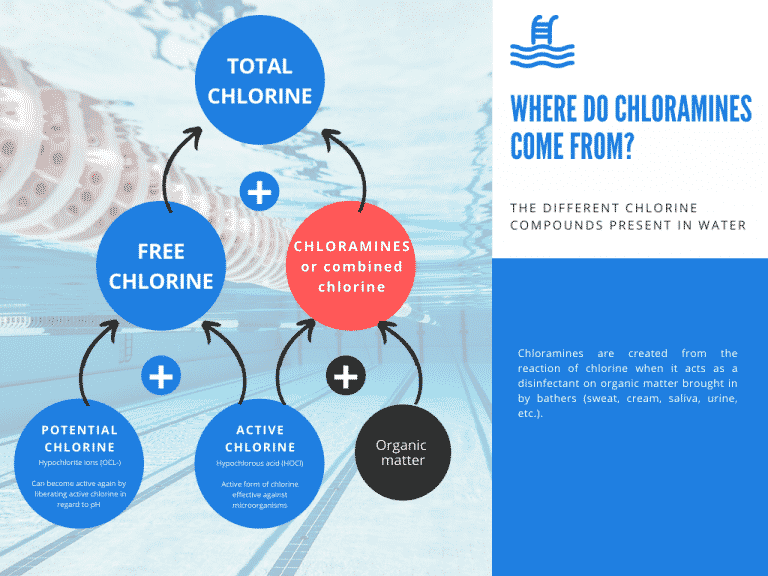
Think of chloramines as chlorine’s grumpy, overworked cousin. They form when chlorine meets organic stuff—sweat, sunscreen, that random Band-Aid someone lost. (Yes, people are gross.) These compounds are less effective at sanitizing and more effective at making your pool smell like a porta-potty.
But fear not! Removing chloramines is totally doable, and I’m here to walk you through it. Grab a coffee—or a pool noodle—and let’s dive in.
Must Read
Understanding Your Enemy: What Even Are Chloramines?
Chloramines come in three flavors: monochloramine, dichloramine, and trichloramine. Trichloramine is the one that fumes into the air and makes you cough like you just inhaled pool pepper spray.
They form when chlorine reacts with ammonia—which, let’s be honest, is mostly pee. (Yep, that’s why you don’t swim after a big burrito. Just saying.) The more swimmers, the faster chloramines build up, especially in crowded commercial pools.
The key to removing them is oxidation. You need to blast those chloramines into harmless nitrogen gas and water, sending them packing into the atmosphere. It’s like giving your pool a deep detox—but without the green juice.
Step 1: Shocking the System (Not Literally, Though It’s Tempting)
Superchlorination is your first and most powerful tool. Raise your free chlorine levels to 10–20 times the combined chlorine level. If your combined chlorine is 0.5 ppm, shoot for a free chlorine level of 5–10 ppm.
This high-dose chlorine blast breaks the bonds of chloramines, turning them into harmless gas. You’ll want to do this after hours when the pool is empty—unless you enjoy watching kids turn into little fish with red eyes.
Don’t forget to test your water first! Use a reliable test kit—not your eyeballs or that “smell test.” Your nose is a liar; it will tell you the pool smells fine just because you’ve gone nose blind.
Step 2: Non-Chlorine Shock (The Chill Alternative)
If you’re not into blasting your pool with extra chlorine, try a non-chlorine shock like potassium monopersulfate. It’s a chemical that oxidizes chloramines without raising your chlorine levels.
This is perfect for commercial pools because you can often use it during operation. Just read the label—some require a short “swimmer-free” window. Use that time to tell a joke to the lifeguard or rearrange the lane lines.
Non-chlorine shock is like the gentle yoga of pool chemistry—less dramatic, but still effective. Your swimmers will thank you with clear eyes and no weird smells.
 UV Disinfection for Swimming Pools & Chloramine Destruction - UV Guard
Step 3: UV and Ozone—Fancy Gadgets for Serious Removal
If you’ve got the budget (or a generous boss), install a UV system or ozone generator. UV light zaps chloramines as water passes through it, breaking them apart instantly. Ozone does the same thing, but with a flash of gas.
These systems are like hiring a bouncer for your pool—they kick out the troublemakers before they get inside. They also reduce the amount of chlorine you need, which is a win for your wallet and your swimmer’s skin.
Sure, they cost a few thousand bucks. But imagine never having to apologize for the “pool smell” again. Priceless, right?
Step 4: Change the Water (The Nuclear Option)
Sometimes, chloramines are so stubborn that nothing works. You’ve shocked, you’ve oxidized, you’ve pleaded with the pool gods—still, that awful smell lingers. It’s time for a partial or full water change.
Drain a third to half of the pool, then refill with fresh, clean water. This physically removes the chloramines and gives you a blank slate. It’s like hitting the reset button on your pool’s personality.
Yes, it’s a pain. Yes, you’ll have to explain to guests why the pool is closed. But they’ll forgive you when they see crystal-clear water and smell nothing but sunshine.
Step 5: Stop Feeding the Beast (Prevention Tips)
The best way to remove chloramines is to not create them in the first place. Encourage swimmers to shower before entering—put up signs, make it a rule, or bribe them with free goggles.
Keep your filtration running 24/7 during peak hours. A good filter catches organic waste before it becomes chloramine fuel. Also, clean the skimmers—nobody likes a clogged basket, especially your pool’s circulation system.
Finally, check your turnover rate. Commercial pools should turn over all the water every six hours or less. If it’s taking longer, your filtration is playing hide-and-seek with contaminants. Speed it up!
 Chloramines – Syclope Electronique
Bonus: The Airstrip Trick (Because Why Not?)
Here’s a fun little hack: run your pool’s jets to create surface agitation. Bubbles and splashes help release chloramine gas into the air. It’s like burping a baby, but for your pool.
Do this at night when no one’s around, and you’ll clear out some of that unwanted guest. Just don’t stand downwind unless you want to smell like a swimming pool for the next week.
Seriously, it works. I once cleared a cloud of chloramines in an indoor pool by turning on every jet and fan. The lifeguards high-fived me. True story.
When to Call a Pro (No Shame)
If you’ve tried everything and still have chloramine chaos, call a pool service professional. They have tools like breakpoint chlorination calculators and industrial-grade oxidizers.
Sometimes, the issue is deeper—like a faulty filter or a secret ammonia source from a nearby hot tub. Pros can diagnose and fix it faster than you can say “I should have become a lifeguard.”
Think of it this way: you’re not failing, you’re just asking for backup. Even superheroes call for help sometimes. (Batman has Robin, after all.)
A Happy Ending for Your Happy Place
Removing chloramines isn’t just about chemistry—it’s about creating joy. A fresh, clear pool invites laughter, cannonballs, and lazy floats. It’s the centerpiece of summer memories.
So shock that water, run those jets, and maybe remind folks to shower. (Even if they ignore you, you’ve done your part.) Soon, your pool will smell like... well, nothing. And that is the sweetest aroma of all.
Now go forth, pool master. You’ve got the tools, the jokes, and the know-how. Your swimmers are waiting, and the water is calling. Make it sparkle—and make them smile. 🏊♂️✨
