Does Reverse Osmosis Remove Sodium From Softened Water

So, you’ve got a water softener. Congrats! Your pipes are happy. Your soap lathers like a dream. But then you take a sip… and it tastes a bit like a salt lick. What gives? Th...

So, you’ve got a water softener. Congrats! Your pipes are happy. Your soap lathers like a dream. But then you take a sip… and it tastes a bit like a salt lick. What gives?
That salty flavor is sodium. The softener swaps calcium and magnesium for it. Don’t panic—it’s usually a tiny amount. But for some folks, even a pinch is too much. Can Reverse Osmosis (RO) save your taste buds? You bet your britches it can.
The Sneaky Sodium Swap
Here’s the fun part: your water softener is a magician. It uses little resin beads to trap hard minerals. Then it flushes them away with salt water. This leaves behind sodium ions. Think of it as a friendly trade—hardness for a pinch of salt.
Must Read
But that pinch adds up. A glass of softened water might have 20-30 milligrams of sodium. That’s less than a potato chip! But if you’re on a low-sodium diet, every milligram counts. Or if you just hate the taste of “ocean-in-a-cup,” you’re not alone.
Enter Reverse Osmosis. It’s the superhero of water filters. It doesn’t just reduce sodium—it annihilates it. We’re talking 90-99% removal. That’s like turning a salt shaker into a sprinkle of fairy dust.
How RO Kicks Salt to the Curb
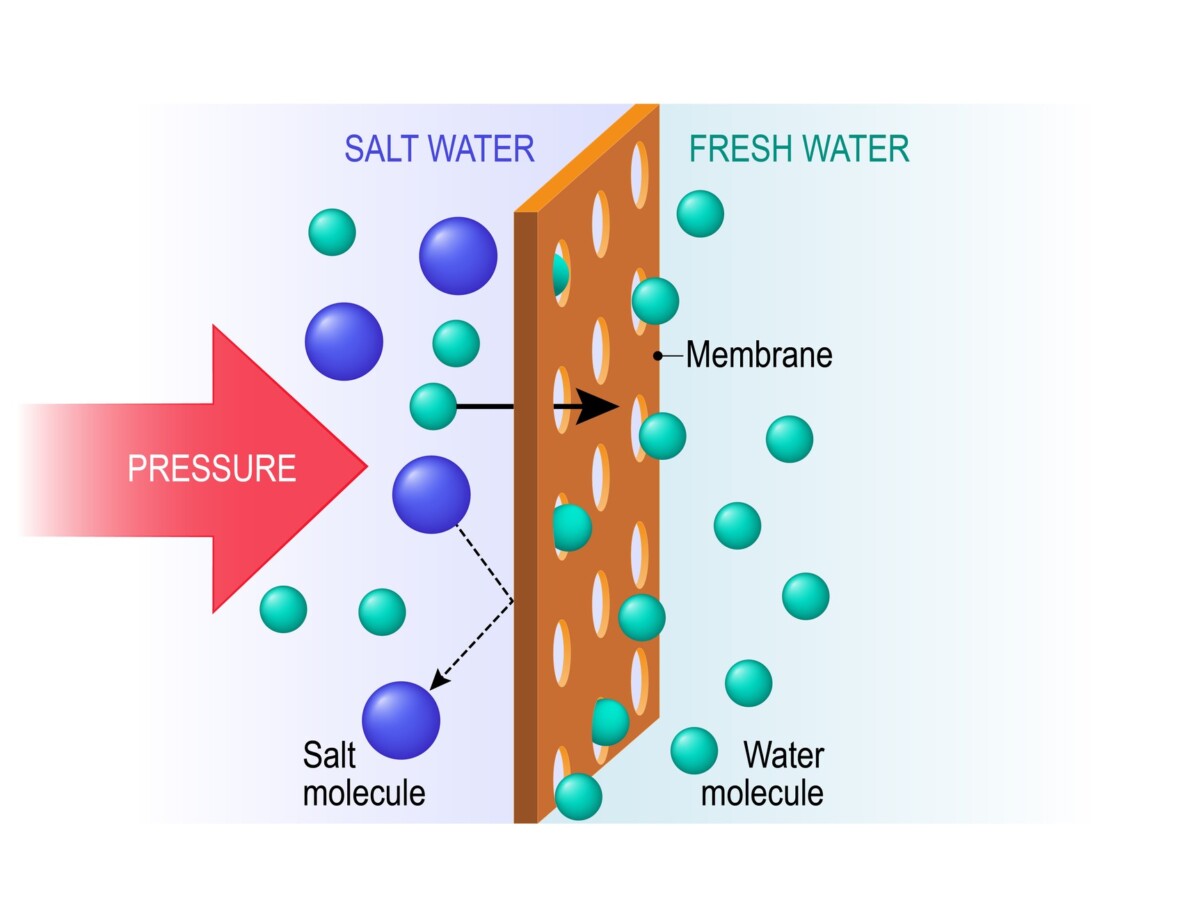
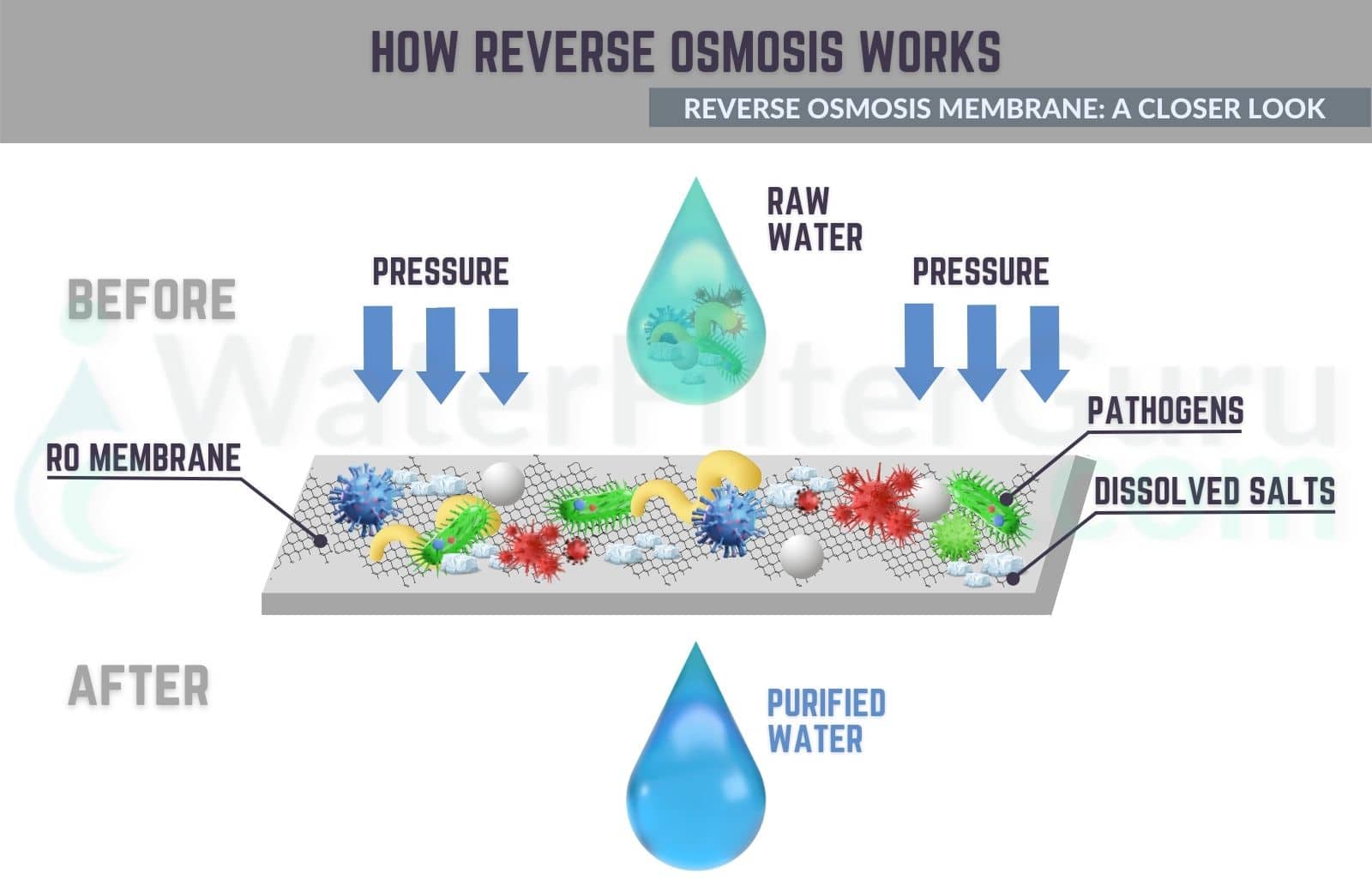
Imagine a very picky bouncer at a club. Water molecules are the VIPs. Sodium, calcium, and other riff-raff get turned away at the door. That’s RO in a nutshell. It uses pressure to push water through a semi-permeable membrane. Only pure H₂O squeezes through.
Quirky fact: The membrane’s holes are 0.0001 microns wide. That’s 1/100,000th the width of a human hair. A sodium ion is about 0.2 nanometers. It literally cannot fit. Good luck, salty buddy!
This process is so effective, it also removes lead, chlorine, fluoride, and even some bacteria. Your water becomes a blank slate. It’s like a spa day for every drop.
The Funny Tandem: Softener + RO
Here’s where it gets hilarious. You’ve got a softener adding sodium. Then an RO removing it. It’s a water-based tug-of-war! But they work together like a weird comedy duo.
 Will Softened Water Remove Scale at Janice Hogan blog
The softener protects your pipes and appliances. The RO gives you delicious, clean drinking water. It’s like having a bodyguard and a chef. One keeps the system safe, the other makes your taste buds sing.
But wait—there’s a plot twist. Softened water actually helps the RO system last longer. Hard water can clog that delicate membrane. So the softener acts as a pre-filter. It’s a symbiotic salt-smoothing relationship!
Do You Even Need It?
Not everyone will care about RO. If you’re young and healthy, a few milligrams of sodium in your water is nothing. You get more from a slice of bread. But for people with high blood pressure or kidney issues, every bit matters.
Also: taste. Some people swear they can detect the salt. I once had a friend who refused to drink softened water. She said it tasted like “a seagull’s tear.” I’m not sure that’s a real flavor, but she installed an RO system anyway. Now she’s a happy camper.
Fun fact: Many aquarium owners use RO water. Fish are super sensitive to sodium. Goldfish don’t want your salty drama. So if you ever set up a tank, you’re already a pro.
The Real Nitty-Gritty: Is It Worth It?
An RO system isn’t cheap. Expect to drop $200-$600 upfront. And it wastes some water—about 3-4 gallons for every gallon purified. That’s a bit like buying a sports car that also leaks oil.
 Does Reverse Osmosis Remove Sodium From Water at Oscar Loveless blog
But for many, it’s a game-changer. No more salty aftertaste. No more worrying about hidden sodium. Your tea, coffee, and pasta water become supremely neutral. It’s blank-canvas water, ready for your flavor magic.
Quirky bonus: RO water actually makes coffee taste brighter. The salt can dull flavors. Without it, your morning brew goes from “meh” to “mic drop.” Try it once and you’ll never go back.
The Weird Science of Water Memory
Okay, here’s a bonkers detail. Some people claim water “remembers” what’s been removed. That’s not true. Water molecules have no memory. But I love that the idea exists. It makes RO feel like a time machine—erasing the salty past.
In reality, the membrane just physically blocks sodium. No magic. No ghosts. Just physics doing its thing. But it’s still fun to imagine your water having a tiny brain. “I used to be salty, but now I’m pure!”
So, to answer the big question: Yes, Reverse Osmosis annihilates sodium from softened water. It’s effective, reliable, and oddly satisfying. If you’re tired of the salt shaker effect, go for it. Your tongue will thank you. Your fish might, too.
Now go hydrate. And maybe buy an RO system—or just laugh at your seagull-tear analogy. Either way, you’re now the life of the water-cooler party.
