How Much Hydrogen Peroxide To Lower Chlorine In Pool

So, you’ve got a pool, and you’ve turned it into a chemical soup that smells more like a laundromat than a refreshing dip. We’ve all been there. You tested the water, and the...

So, you’ve got a pool, and you’ve turned it into a chemical soup that smells more like a laundromat than a refreshing dip. We’ve all been there. You tested the water, and the chlorine level is screaming at you, “I’m way too high!” Don’t panic. There’s a secret weapon in your medicine cabinet that can save the day: good old hydrogen peroxide.
Yes, the same stuff you use to clean a scraped knee can actually neutralize chlorine in your pool. It’s like a magic eraser, but for water. And the best part? It’s surprisingly easy to use—once you know the math. Let’s break it down without needing a PhD in chemistry.
Why Hydrogen Peroxide Works
Hydrogen peroxide (H₂O₂) is basically water with an extra oxygen atom. That extra oxygen is a party pooper for chlorine. When they meet, they react to form harmless salt, water, and oxygen gas. Basically, they cancel each other out like two grumpy cats.
Must Read
This reaction is fast and safe for your pool, as long as you don’t go overboard. It won’t damage your liner or make your hair turn green. In fact, it’s a popular trick used by pool pros to drop chlorine levels quickly.
The Golden Ratio: How Much to Use
Here’s the nerdy part, but I promise it’s painless. The general rule of thumb is: 1 pint (16 ounces) of 3% hydrogen peroxide will lower your free chlorine by about 1 ppm in 10,000 gallons of water. Most drugstore peroxide is 3%, so that’s your sweet spot.
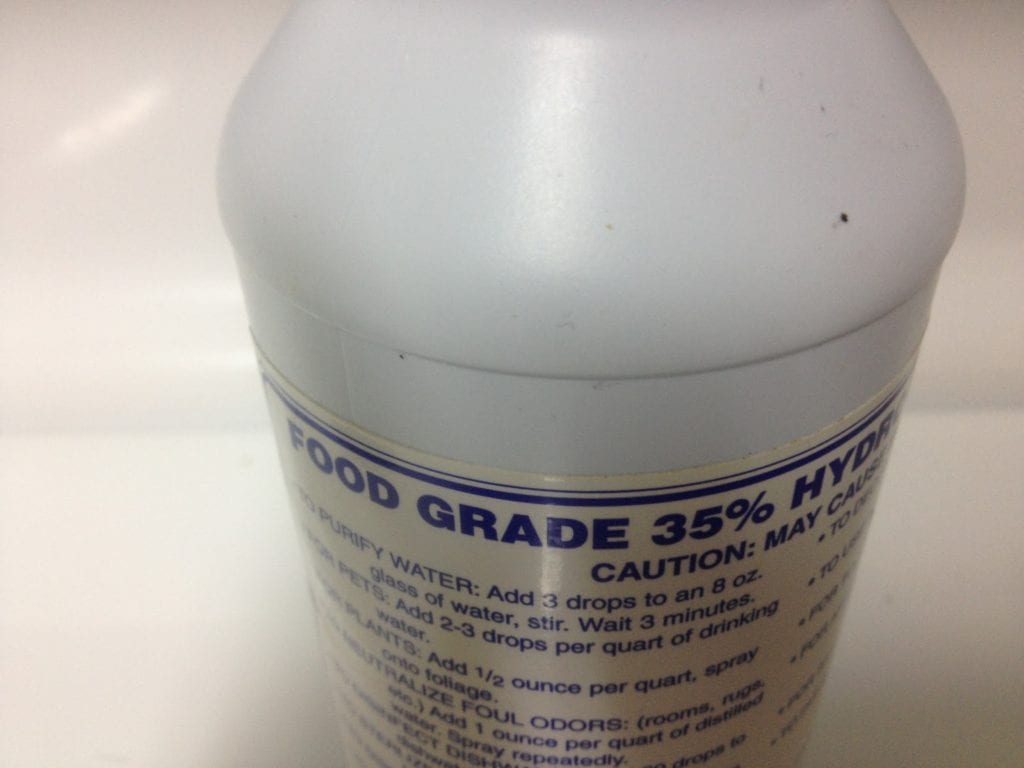
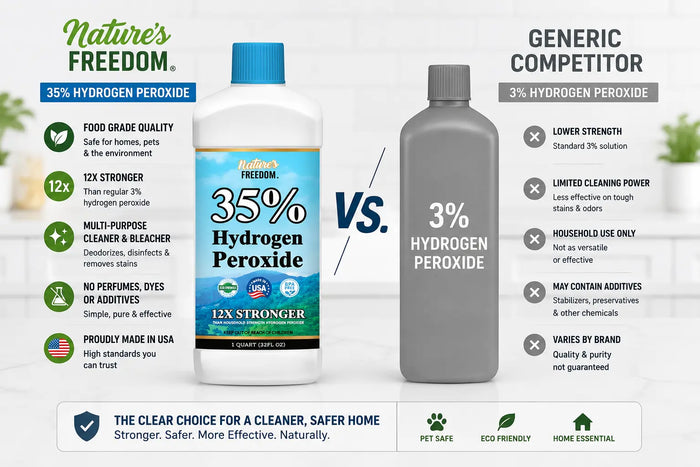
If you have 35% pool-grade hydrogen peroxide (the strong stuff), you use way less. For that, it’s about 1 ounce per 10,000 gallons to lower chlorine by 1 ppm. But seriously, stick with the 3%—it’s safer, cheaper, and you don’t need to wear a hazmat suit.
Let’s do a quick example. Say your pool has 20,000 gallons and your chlorine is at 10 ppm. You want to lower it to 3 ppm—that’s a drop of 7 ppm. For 3% peroxide, you’d need 7 pints (112 ounces). For pool-grade 35%, you’d need only 7 ounces. Math is your friend here.
Step-by-Step: How to Do It Right
First, test your water to get a precise chlorine reading. Don’t eyeball it—those test strips are your best buddy. If your level is above 5 ppm, you’ve got a green light to proceed.
Second, calculate the exact amount of hydrogen peroxide based on your pool size. Use a pool volume calculator online if you’re unsure. Then, pour the peroxide slowly into the deep end with the pump running. It’s like adding a potion to a cauldron—pretty cool to watch.
 Too Much Chlorine In The Pool? | 7 Easy Ways To Lower Pool Chlorine
Third, wait about 6 to 12 hours before retesting. The reaction isn’t instant, but it’s quick enough for a lazy Saturday afternoon. You’ll see the chlorine drop like a stone. Just don’t swim for at least 12 hours afterward—peroxide can irritate your eyes if it’s still in the water.
A Few Warnings (So You Don’t Blow Anything Up)
Do not mix hydrogen peroxide with any other pool chemicals—especially chlorine shock or acid. That can create a fizzy volcano of toxic gas. Seriously, just don’t. Add peroxide only to plain pool water that has high chlorine.
Also, peroxide will kill off any algae or bacteria that are “friends” with the chlorine. That’s fine, but it means your water might get a little cloudy temporarily. Cloudy water is normal after this treatment; it clears up as the oxygen bubbles out.
If you have a saltwater pool, this method works even better. The peroxide won’t mess with your salt cell, and it’s gentler on your equipment. Just make sure your chlorine level is actually high first—don’t use it as a weekly cleaner.
When to Use This Trick (And When to Skip It)
This is perfect for when you accidentally over-shocked the pool after a party. Or when your kids decided to “help” by dumping a whole bottle of bleach in. Emergency chlorine drop? Peroxide is your hero.
Avoid using it if your pool has a lot of algae or phosphates. Peroxide only neutralizes chlorine; it doesn’t fix the root problem. You’re better off using an algaecide and then tackling the chlorine later.
 How Much Hydrogen Peroxide to Lower Pool Chlorine
Also, if your chlorine level is only slightly high (say, 5 ppm), just let the sun do its job. UV rays lower chlorine naturally. Save the peroxide for the real head-scratchers.
Pro Tip: Storing the Bottle
Keep that hydrogen peroxide in a cool, dark place. Heat and light break it down into plain water. You don’t want to pour it in your pool and realize it’s just fancy tap water. That’s a soggy disappointment.
And never store it in a metal container. Peroxide and metal are like oil and water—they don’t mix well, and they can create pressure. Stick to the brown plastic bottle it came in.
The Uplifting Conclusion (You Knew It Was Coming)
See? You don’t need to be a chemist to tame a chlorine monster. With a simple bottle of hydrogen peroxide, you can rescue your pool from chemical chaos and get back to floating on a unicorn floatie. You’ve got this.
So next time your pool smells like a hospital, don’t stress. Grab that white bottle, do a little math (just a little), and watch the chlorine melt away. Your pool will thank you, your skin will thank you, and your friends will wonder how you got so smart. Just don’t tell them your secret weapon is from the first-aid aisle.
Now go forth, brave pool owner, and enjoy the sparkling, balanced water you deserve. Happy swimming!
