How To Fix Low Water Pressure From Water Softener

You know that moment when you step into the shower, expecting a soothing cascade, and instead get a sad, dribbling trickle? It’s the modern equivalent of finding out your favo...
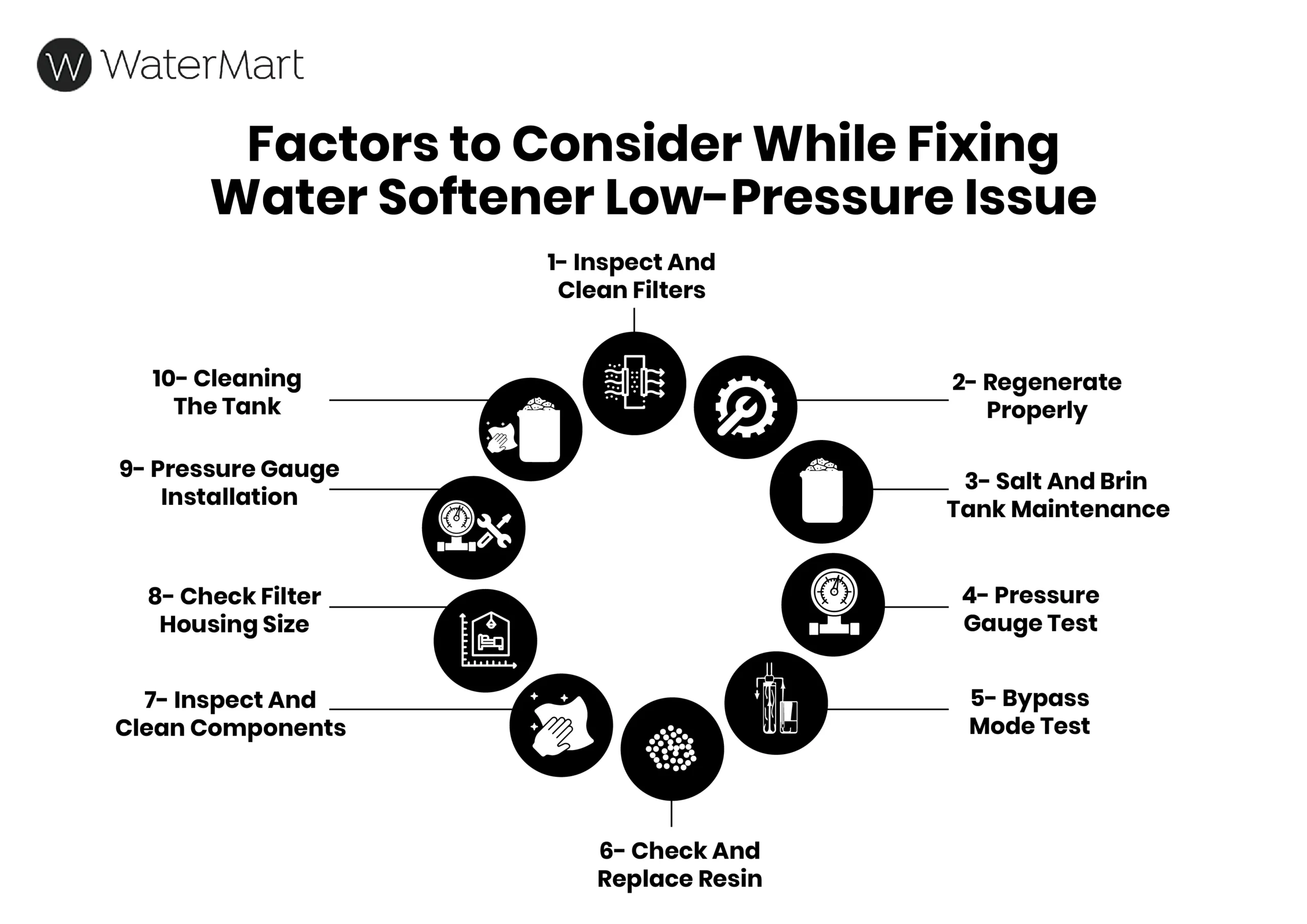
You know that moment when you step into the shower, expecting a soothing cascade, and instead get a sad, dribbling trickle? It’s the modern equivalent of finding out your favorite coffee shop is out of espresso. We’ve all been there, standing under a weak stream, wondering if your water softener has suddenly turned into a passive-aggressive roommate.
The good news is that a sudden drop in pressure is rarely a plumbing apocalypse. It’s usually your softener just being dramatic. And fixing it? It’s often simpler than choosing what to stream on a Friday night.
The Bypass Valve: The Usual Suspect
Let’s start with the most common culprit, the bypass valve. If you’ve recently moved or fiddled with your unit, this little lever is almost certainly the traitor.
Must Read
The bypass valve lets water flow around the softener, which is great for repairs but terrible for your morning shower. You might have accidentally nudged it into the “bypass” position, or it wasn’t fully returned after a regeneration cycle.
Practical Tip: Check your valve. If it’s set halfway, your pressure will be cut in half. Turn it fully to “service” or “normal” position. It’s the plumbing equivalent of turning something off and on again—it works.
The Resin Bead Rebellion
If the valve isn’t the issue, look deeper—specifically at the resin tank. Inside your softener are thousands of tiny resin beads that attract hardness minerals like a magnet.
Over time, these beads can get coated in sediment or iron, essentially creating a traffic jam. The water has to force its way through this gunk, which kills your pressure. Think of it like trying to sip a thick milkshake through a coffee stirrer.
Fun Fact: Resin beads can last up to 20 years, but they’re sensitive to chlorine and rust. If you live in an older home, your beads might be staging a slow, gritty protest.
The Drain Line Clog: The Hidden Belt
Here’s a cultural reference for you—remember in The Devil Wears Prada, when Miranda Priestley says “That’s all”? A clogged drain line is your softener’s version of that dismissive wave.
The drain line carries away the salty brine during regeneration. If it’s kinked, clogged, or frozen, the system can’t flush properly. The internal pressure builds up, and the whole machine gets confused, leading to weak faucets everywhere.
 Can An Old Water Softener Cause Low Water Pressure at Patrick Guinn blog
Practical Tip: Follow the small tube from the softener to the drain. Check for any sharp bends or plastic gunk. A quick snake or a blast of hot water can fix it in under ten minutes.
The Salt Bridge: An Icy Conspiracy
Ever open your salt tank and see a hard crust covering the water? That’s a salt bridge. It forms when salt clumps together due to humidity, creating a hollow shell above the water level.
The water can’t reach the salt, so your softener regenerates with barely any brine. No brine means no cleaning, and the resin bed gets fouled again, choking the pressure. It’s a feedback loop of disappointment.
Fun Fact: This happens more often in basements with fluctuating temperature. Use solar salt pellets over rock salt—they dissolve more evenly and are less likely to form these crusty barriers.
The Injector Nozzle: A Tiny Part, A Big Problem
Now we’re getting technical, but stay with me. Inside your control head is a tiny injector nozzle. This little plastic piece creates suction to pull brine into the tank.
If it gets clogged with debris, your softener can’t create the vacuum needed for regeneration. The result? No soft water, and often a sudden pressure drop. It’s the plumbing version of a blocked pore—small, but highly annoying.
Practical Tip: Most injector nozzles pop out with a simple screwdriver. Soak it in vinegar overnight. It’s a satisfying fix that costs zero dollars and makes you feel like a hardware wizard.
The Pre-Filter: The Overlooked Guardian
Many softeners have a sediment pre-filter that you forget exists until it’s too late. If you’re on well water, this filter catches sand and rust before they hit your fancy softener.
 Water Softener Low Pressure - How To Diagnose And Fix?
When this filter gets clogged, it’s a total blocker. Water can barely get through, and your softener works overtime. It’s like trying to run a marathon while holding your breath.
Fun Fact: Change this filter every three months. Mark it on your calendar or link it to a seasonal event—like the first day of spring. Future you will thank present you.
When to Call the Pros (And When Not To)
If you’ve checked the bypass valve, cleaned the injector, broken the salt bridge, and flushed the drain line, but your pressure still sucks—it’s time to accept reality. You might have a broken control valve or a compromised resin bed.
These issues are like bad relationships—sometimes you need to walk away and bring in a professional. A plumber can run diagnostics that will pinpoint the issue in 15 minutes, saving you a weekend of frustration.
Practical Tip: Before you call, test your pressure without the softener. If it’s strong, the problem is definitely inside the unit. If it’s weak everywhere, it’s a municipal or home pipe issue.
A Reflection on the Flow of Life
There’s something oddly meditative about fixing your water pressure. You trace the path, find the blockage, and clear it. It’s a metaphor for so many things—the way we get stuck, the tiny obstacles we ignore, and the effortless flow we crave.
In a world of constant noise, a strong shower is a little sanctuary. It’s where we wash away the day, plan our comebacks, and occasionally belt out a song. To fix that pressure is to reclaim a small piece of daily grace.
So next time your softener gives you a weak stream, don’t panic. Grab a wrench, some vinegar, and a little patience. The solution is probably simpler than you think—and the reward is a cascade of clarity, one drop at a time.
