What Is A Reverse Osmosis Water Filtration System

Alright, let’s talk about water. Specifically, the kind of water so pure it might make a raindrop jealous. I’m talking about reverse osmosis, or as I like to call it, the supe...
Alright, let’s talk about water. Specifically, the kind of water so pure it might make a raindrop jealous. I’m talking about reverse osmosis, or as I like to call it, the superhero of water filtration systems. It sounds fancy and scientific, but I promise it’s way easier to understand than, say, your phone’s terms of service.
So, what is this magical beast? A reverse osmosis water filtration system is a gadget that uses pressure to push water through a super-fancy membrane. This membrane has holes so tiny that only water molecules can squeeze through—everything else gets left behind. Think of it as a bouncer at the coolest club in town, and only pure H₂O gets past the velvet rope.
How does it actually work? (Without the brain ache)
Imagine you have a sieve for spaghetti. The holes are big enough to let water through but catch the noodles, right? Well, a reverse osmosis membrane is a ridiculously tiny sieve. We’re talking holes that are 0.0001 microns wide. A human hair is about 70 microns wide, for context. So this thing is microscopic.
Must Read
Water, under normal circumstances, likes to balance itself out—that’s called osmosis. But reverse osmosis says, “Nah, I’m going to push the water through anyway.” It uses household water pressure to force the water against the membrane. The clean water passes through, and the bad stuff—lead, chlorine, pesticides, and even those gross microplastics—gets flushed away down a drain.
The result? Water so clean it’s practically naked. No added flavors, no sediment, no weird aftertaste. Just crisp, clear, angelic water.
What does it remove? (Spoiler: a lot)
This system is a bully to contaminants. It removes up to 99% of dissolved solids, including arsenic, fluoride, salt, and heavy metals. It even wipes out some viruses and bacteria, though most city water is already disinfected. So, if your tap water tastes like a swimming pool, reverse osmosis is your new best friend.
It’s so effective that desalination plants use reverse osmosis to turn ocean water into drinking water. Yes, you can drink from the sea. Just don’t try it without one of these systems, or you’ll have a very salty, very regretful afternoon. (Ask me how I know. Just kidding, I don’t.)
 How Does A Water Filtration System Work
The setup: Is it a spaceship or a water filter?
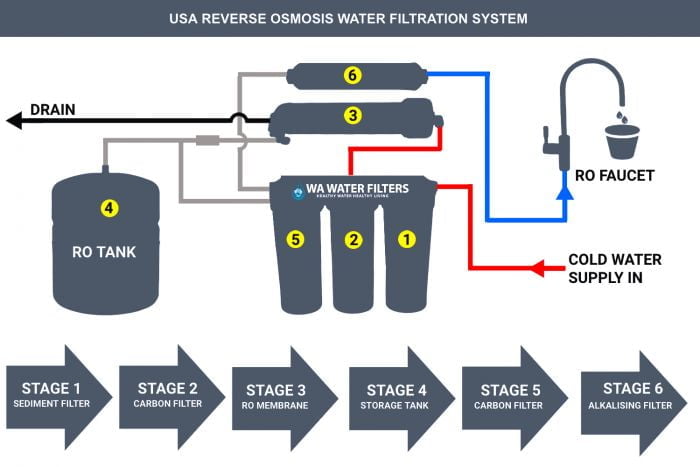
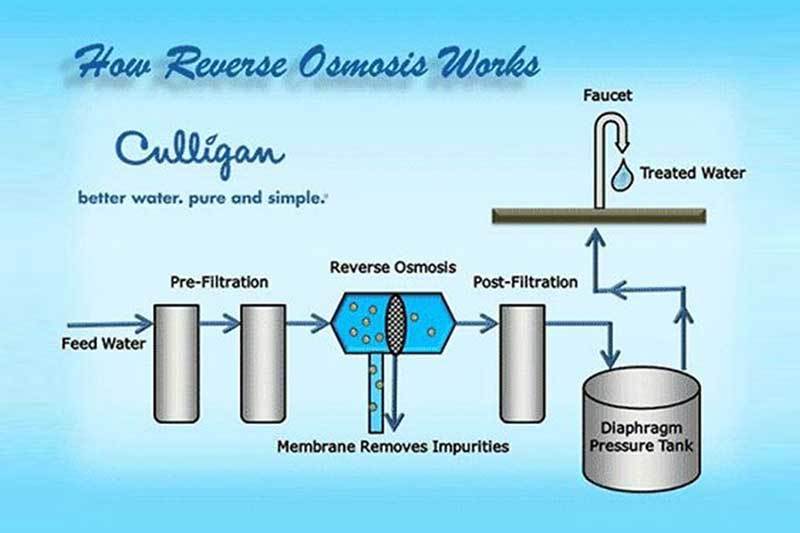
If you’re imagining a huge machine taking over your kitchen, relax. Most reverse osmosis systems are compact and sit under your sink. They have a few canisters (pre-filters, the main membrane, and a carbon filter for polish) and a small tank to store the purified water. It looks a bit like a plumbing project from a sci-fi movie, but it’s totally manageable.
Installation is DIY-friendly if you’re handy with a wrench and don’t mind reading instructions. If you’re me and break everything you touch, call a plumber. It’s worth the peace of mind. Pro tip: never install one while hangry—you might end up tying the wrong hose to your dishwasher.
But wait, is there a downside? (Yes, but it’s funny)
Reverse osmosis systems are thirsty. For every gallon of pure water it makes, it sends about three gallons down the drain as waste water. Sounds bad, right? But modern systems have improved efficiency, and honestly, that waste water usually goes straight to your drain anyway—it’s not like it’s in a bucket crying. You can even repurpose it for watering plants (non-edibles) if you’re eco-minded.
Another thing: they’re a little slow. Your faucet won’t gush like a fire hydrant. It’s more of a steady, gentle stream. Perfect for filling a glass or a kettle, but not for, say, filling a bathtub. Unless you have all day and a very patient rubber duck.
 Learn What Is Reverse Osmosis And Reverse Osmosis Systems
Is it worth it? (Spoiler: Yes, very much)
Do you hate the metallic taste of tap water? Do you own a kombucha starter or a fancy espresso machine that demands pure water? Then yes, a reverse osmosis system will change your life. It’s like upgrading from a motel to a five-star resort for your taste buds. Your coffee will taste amazing. Your ice cubes will be crystal clear. You’ll start judging all other water by its shimmering, perfect complexion.
And here’s the secret: you’ll save money in the long run. No more buying bottled water by the crate. No more plastic bottles floating in landfills. Just endless, delicious, guilt-free hydration. Plus, you’ll feel very fancy telling your friends, “Oh, this? It’s reverse osmosis.” They’ll be impressed, even if they have no idea what it means.
The uplifting conclusion (the part where we smile)
So, there it is: reverse osmosis is basically a tiny water minister living under your sink, tirelessly filtering out the crud so you can enjoy pure, joyful sips all day long. It’s a beautiful marriage of science and simplicity—a little pressure, a tiny membrane, and suddenly your water is a crystal-clear miracle. You don’t need a chemistry degree to appreciate it; you just need a glass and a thirst for something great.
Next time you pour yourself that cold, bright, squeaky-clean water, give a little nod to the hard-working membrane. It’s the real MVP. And remember: life’s too short for lukewarm, questionable tap juice. Drink like royalty. Drink like a reverse osmosis champion. Cheers!
