What Is A Safe Level Of Calcium In Drinking Water

Let’s talk about your water. Not the boring stuff, but the amazing, life-giving liquid you probably take for granted. You might have heard whispers about calcium in your tap w...

Let’s talk about your water. Not the boring stuff, but the amazing, life-giving liquid you probably take for granted. You might have heard whispers about calcium in your tap water, and wondered, “Is this good for me, or am I drinking tiny rocks?” Spoiler alert: it’s mostly the first one, and it can make your life a little more fun to know the details.
So, what exactly is in your glass?
Calcium in drinking water is usually a result of your water source flowing through limestone or chalk. It’s why some water tastes a bit “crisper” or “mineral-rich” compared to the flat stuff from a plastic bottle. This isn’t a chemical accident; it’s nature adding a free, natural supplement to your daily hydration routine.
The big question is: Is there a “safe” level? The answer is wonderfully reassuring. For the vast majority of people, the calcium levels in typical tap and bottled water are not just safe—they’re actually beneficial.
Must Read
What the experts say (and why you shouldn’t panic)
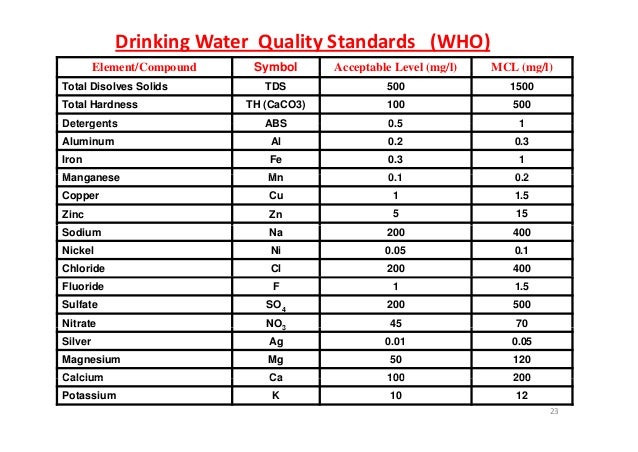
Health authorities like the World Health Organization (WHO) set a guideline that’s more about taste than toxicity. In fact, the WHO doesn’t even have a strict health-based limit for calcium because it’s so non-toxic at usual levels. The “safe level” generally falls between 20 and 80 milligrams per liter (mg/L). Think of it this way: that’s about the same amount of calcium you’d get from a single sip of milk, but spread across a whole glass.
Are there levels that are too high? Yes, but you’d have to be drinking from a literal mineral spring that’s off the charts—like over 200 mg/L—to even blink. At those levels, the water might taste a bit chalky or metallic, and it could leave white spots on your dishes (that’s just harmless limescale, not a health hazard). So unless you’re a tea connoisseur who despises cloudy tea, you’re in the clear.
 Water treatment-lecture-1-eenv
Why this knowledge can actually make life more fun
Here’s the uplifting part: knowing about calcium levels turns you into a secret water-critic. You can now taste your tap water and say, “Ah, yes. A lovely 60 mg/L of calcium. Very minerally. Very bold.” It’s a silly party trick, but it makes you feel like a chemical sommelier. Plus, it empowers you to make choices: if you want stronger bones (and who doesn’t?), you can embrace the calcium-rich water.
But wait—there’s another cool twist. If you’re brewing coffee or making tea, the calcium levels matter. Water that’s too soft (very low calcium) can make a flat, dull brew. Water with a moderate calcium level (around 50 mg/L) actually helps extract the coffee’s flavor compounds way better. You’re not just drinking water; you’re curating a better cup of joe!
What about fancy water filters?
Many filters remove calcium completely. Is that safe? Yes, but it’s also a bit of a shame. You’re stripping away a natural, healthy mineral. Unless you have a medical condition like kidney stones (where you should ask your doctor), filtered or even distilled water is fine—but it can taste a bit empty. My advice? Try unfiltered tap water first. Your teeth and bones will enjoy the free calcium snack.
 Calcium Mineral Water
So, what is a safe level of calcium in drinking water? Any level that makes you smile and stay hydrated. The range is generous, the risks are almost nonexistent, and the benefits are real. You are essentially drinking a very weak, delicious mineral water every time you turn on the faucet.
Your call to action (because this is fun)
Go ahead. Fill a glass from your kitchen tap. Hold it up to the light. Take a sip with confidence. You are not a victim of some chemical conspiracy; you are a lucky human enjoying a resource that literally contains building blocks for your bones. Isn’t that a wonderful thought?
So next time someone talks about “hard water,” don’t grimace. Smile knowingly. You are now part of a small club that knows the truth: calcium in water isn’t a problem to solve—it’s a daily, free, and perfectly safe gift from the earth. Keep sipping, keep smiling, and maybe even do a little happy dance for your skeleton. Here’s to making the ordinary feel extraordinary!
