Why Is My Water Softener Salt Tank Full Of Water

Picture this: you wander into the laundry room, coffee in hand, only to find your water softener’s salt tank looking like a flooded fishbowl. Your first thought is panic, quic...
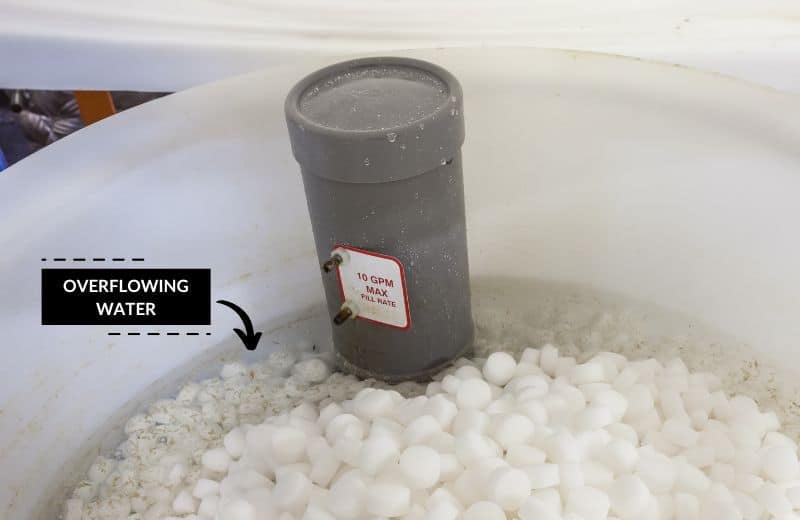
Picture this: you wander into the laundry room, coffee in hand, only to find your water softener’s salt tank looking like a flooded fishbowl. Your first thought is panic, quickly followed by a mental scroll through home repair nightmares. Take a breath—this is more common than you think, and it’s usually a simple fix, not a plumbing apocalypse.
In the world of home maintenance, a water softener is a quiet hero, fighting hard water scale so your dishes sparkle and your skin feels smooth. But when that salt tank fills with water, it’s like discovering your favorite barista suddenly can’t make a latte. The good news? The solution often starts with understanding the machine’s rhythm.
The Salt Tank’s Secret Life
Your water softener runs on a cycle, much like a dishwasher or a washing machine. During regeneration, it floods the salt tank to create brine, which cleans the resin beads inside the main tank. This brine is then flushed away, leaving the tank mostly dry—until the next cycle.
Must Read
So why is yours filled to the brim? The most common culprit is a clogged drain line or a stuck float valve. Think of it as a traffic jam: the water has nowhere to go, so it backs up into the tank like a flooded highway during rush hour.
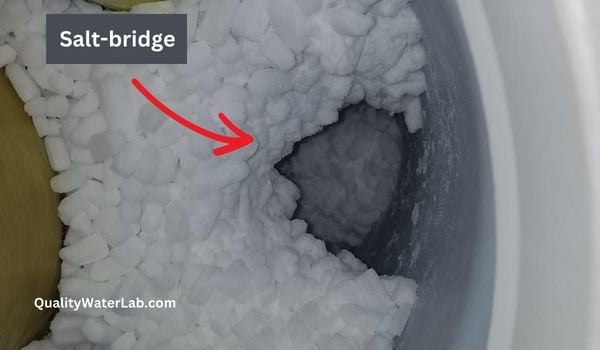
Another sneaky suspect is a salt bridge, where the salt hardens into a crust just above the water level. You might have plenty of salt in the tank, but the water can’t dissolve it, leading to a false sense of security and a pool party for your softener.
Detective Mode: The Checkpoint List
Before you call a plumber and spend your weekend savings, grab a flashlight and take a peek inside the tank. Do you see a solid salt crust? If yes, gently break it up with a broom handle—but never a metal tool, which can damage the tank.
Next, listen for the brine tank’s refill cycle. If the water keeps running even after the machine is idle, your control valve might be stuck in “fill” mode. This is like a faucet that won’t turn off, and it often requires a quick reset or a replacement part.
Also, check the drain line where water exits the softener. If it’s kinked or blocked by debris, the water can’t escape. A simple straightening or a gentle flush with vinegar can work wonders—like unclogging a straw at a diner.
 Salt Tank Full of Water? 5 Common Causes & How to Fix Them - DIYself.blog
The Salt of the Earth: A Little History
Did you know that water softeners have been around since the early 1900s? The first models used zeolite minerals, but today’s versions rely on ion exchange, swapping calcium and magnesium for sodium. It’s a chemistry trick that makes your hair softer and your coffee maker last longer.
Fun fact: The average American household uses about 500 pounds of salt per year just to keep water soft. That’s roughly the weight of a grand piano—or a very enthusiastic golden retriever. No wonder your tank needs occasional attention.
Culturally, water softening has been a quiet luxury in places like the Midwest and the Southwest, where hard water is as common as tumbleweeds and cornfields. In Europe, some regions have naturally soft water, making home softeners a novelty. Imagine the British complaining about “hard water tea”—it’s a national crisis.
Practical Fixes (Without Breaking a Sweat)
Start with a manual regeneration. This forces the softener to flush out the brine and refill fresh water. It’s like hitting the “reset” button on your morning routine—sometimes all it needs is a fresh start.
Check the float valve. This little plastic ball controls when the tank stops filling. If it’s stuck, give it a gentle wiggle. If it’s broken, replacement parts are cheap and easy to install. Think of it as the pool float of your plumbing system.
 How to Clean a Water Softener (Easy 2025 Guide) - QWL
Inspect the salt level. Too much salt can create a sludge that blocks the brine draw. Keep the salt level below the water line but above the standing water—like a Goldilocks zone for your appliance. Also, use high-purity solar salt—the blue bag kind—to reduce residue.
When to Wave the White Flag
If you’ve tried everything and the water still looks like a mystic lake, it might be time for a professional. Maintenance is cheaper than replacement, and a repair visit often costs less than a fancy dinner out. Call a plumber who knows water softeners, and you’ll likely be back to silky showers in an hour.
Also, consider your water pressure. Sometimes, a whole-house pressure issue forces water into the tank from the supply line. This is rare but does happen, especially in older homes with eccentric plumbing. It’s your home’s way of saying it needs a little TLC.
The Zen of Salt and Water
There’s something oddly satisfying about solving a softener puzzle. It’s a reminder that even the most modern homes have old-fashioned quirks, waiting for us to notice them. That water in your tank isn’t a disaster—it’s a gentle nudge to pay attention.
Life is full of small resets: a calm morning, a good cup of coffee, and a float valve that doesn’t stick. The next time you see standing water in your salt tank, remember: you’re not just a homeowner—you’re a detective of the domestic realm. Grab that broom handle, take a breath, and give the machine a little love.
After all, a little water in the tank is just your softener asking for a moment of connection. And honestly, isn’t that something we all need now and then?
