How To Remove Trihalomethanes From Drinking Water

So, the other day, I’m filling my glass from the tap—feeling very eco-friendly, you know?—and my friend stops me. “You’re drinking that? It’s basically a chemical soup.” He wa...

So, the other day, I’m filling my glass from the tap—feeling very eco-friendly, you know?—and my friend stops me. “You’re drinking that? It’s basically a chemical soup.” He wasn’t wrong about the soup part, but I had to laugh. The “chemical” he meant? Trihalomethanes (THMs). It sounds like something from a sci-fi movie, but it’s just a byproduct of your water being disinfected to kill actual, scarier bugs.
And yeah, drinking a little bit won’t turn you into a mutant. But if you’re like me—suspicious of anything that feels too industrial—you might want to cut down on that invisible guest. Here’s the friendly, slightly paranoid guide on kicking THMs out of your glass. Let’s get into it.
First, What the Heck Are We Dealing With?
Imagine your local water utility adds chlorine to zap bacteria. Great, right? Well, that chlorine reacts with tiny bits of organic matter—dead leaves, algae—floating in the source water. The result? Trihalomethanes. Think chloroform, bromoform, and their ugly cousins.
Must Read
The EPA sets a legal limit (80 parts per billion), but “legal” doesn’t always mean “zero risk” to our picky bodies. Some studies link long-term exposure to bladder issues, so it’s worth a little home-lab effort. And no, boiling doesn’t solve it—it actually makes them concentrate! Oops.
The Sneaky Simple Solution: A Carbon Filter
Here’s the good news you’re probably hoping for: Activated carbon is your THM superhero. It’s like a magnet for volatile organic compounds—including those trihalomethane jerks. A solid countertop or under-sink carbon filter will grab them before they hit your glass.
But here’s the catch, friend: Not all filters are created equal. That cute, cheap pitcher filter? It might only remove chlorine taste, not the THMs. Look for a filter with “NSF/ANSI Standard 53” certification specifically for VOC (volatile organic compounds) reduction. Trust me, it’s worth the extra five bucks.
Side note: If you want to get really nerdy, a multi-stage reverse osmosis system (with a carbon pre-filter) will kick THMs out so hard they’ll need a map to find their way back. But that’s for the extreme enthusiasts.
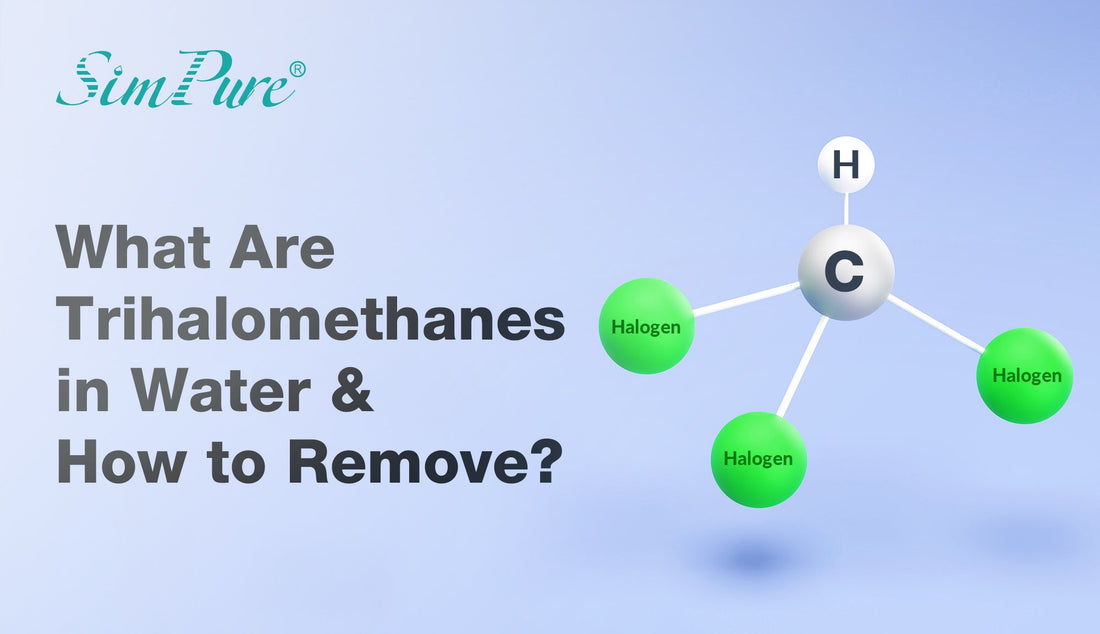 What Are Trihalomethanes in Water & How to Remove?
The Shower Surprise (Yes, You Breathe THMs)
Don’t just think about drinking. The real sneak attack happens when you shower. Hot water vaporizes THMs, and you inhale them deep into your lungs. Fabulous, right? You can install a carbon filter on your showerhead. It’s cheap, takes five minutes, and your skin will thank you too.
I did it last month. I can’t smell the chlorine anymore, and my morning existential crisis now smells like… nothing. Which is exactly the goal. Your lungs aren’t lab coat vultures—they don’t need chemistry homework.
The “Let It Breathe” Method
If you’re between filters or just want a low-effort hack: Let your water sit. Pour tap water into a pitcher or glass, and leave it uncovered in the fridge for a few hours. THMs are volatile—they literally evaporate into the air. This can remove up to 50% of them.
It’s not perfect, but it’s a start while you procrastinate on buying a filter. Pro tip: Do this with a wide-mouth container. More surface area = more THMs saying “bye-bye, Felicia!”
The Cold Hard Truth About Bottled Water
You might think, “I’ll just buy bottled!” And sometimes you do. But many brands are just tap water that sat in a plastic bottle—sometimes from a source that also has THMs. Plus, the plastic bottle leaches other nasties (hello, forever chemicals). You’re paying for convenience, not purity.
 Water Filter Guru on Tumblr
So, the cheaper, better, and slightly smug route is fixing your tap. A good carbon pitcher (like a high-end Brita or PUR with the right certification) costs pennies per gallon. Your wallet and the planet will nod in approval.
What About Pitchers vs. Faucet Mounts?
Pitchers are cute and noticeable, which means you remember to use them. Faucet mounts are less clutter but can slow your flow. Your call. I started with a certified pitcher; now I have a dual-filter faucet mount because I’m fancy and lazy. Both work if they’re certified for VOCs.
One warning: if the filter says “for taste and odor,” it’s basically a placebo for THMs. Look for the words “reduces chloroform” or “VOC reduction” on the box. Don’t let the marketing team high-five themselves at your expense.
The Very Last Drop
Look, we can’t avoid every single molecule in modern life. Our tap water still beats drinking from a puddle (probably). But knocking out trihalomethanes is a low-effort win for long-term peace of mind. Get a carbon filter, let your water breathe, and maybe hug your showerhead upgrade.
And next time a friend warns you about “chemical soup,” you can smile, sip your filtered water, and say, “I’ve got it covered.” Just don’t tell them you also ate three bags of chips that had ingredients you can’t pronounce. We all pick our battles.
