Does Boiling Water Remove Chlorine And Fluoride

So, the other day, my friend Karen—you know, the one who *swears* by her fancy water filter—called me in a panic. Her power was out, her fridge was dead, and she was staring a...
So, the other day, my friend Karen—you know, the one who swears by her fancy water filter—called me in a panic. Her power was out, her fridge was dead, and she was staring at a pot of tap water on the stove. "If I boil this," she whispered, "will it kill the scary stuff and the taste?" I almost laughed, but then I realized: Karen’s question is the exact same one half the internet is asking. Does boiling water actually remove chlorine and fluoride, or are we just making expensive tea?
Let’s start with the easy one: chlorine. Yes, boiling water does remove chlorine—but not because the chlorine “dies” in the heat. Chlorine is a volatile gas, meaning it escapes into the air when water gets hot. Think of it like the fizz leaving a warm soda: give it a good boil for about 15–20 minutes, and most of that pool-water smell will vanish. Poof. Your water will taste closer to spring rain than a swimming pool. But here’s the kicker: if you stop boiling the second the bubbles appear, you’re not giving the gas enough time to escape. So, let it roll for a solid 15 minutes, and keep the lid off—otherwise, the chlorine just condenses back into the water. (Yes, I learned that the hard way by trying to “save energy” with a lid. Bad move.)
Now, the tricky part: fluoride. If you’re hoping boiling will kick fluoride out, you’re in for a cold shower—literally. Fluoride is a mineral, not a gas, and it’s chemically bonded to the water in a way that heat barely touches. You could boil that pot for an hour, and the fluoride concentration would actually increase slightly because some of the water evaporates. So, no, boiling water does not remove fluoride. (I know, right? Total buzzkill for the “natural cleanse” crowd.) This is why people who are serious about fluoride—whether for health reasons or just to avoid the debate—buy reverse osmosis filters or distillation units. Your kettle isn’t a wizard, folks.
Must Read
Let me pause here because I can hear you asking: “But wait, doesn’t boiling kill bacteria and viruses?” Yes! Boiling is amazing for pathogens. It annihilates those little buggers. So if you’re camping or dealing with a boil-water advisory, boiling is your hero. Just don’t confuse “sterilized” with “chemically altered.” Chlorine leaves, fluoride stays, and the bacteria die. Consider it a selective eviction notice.
Here’s another irony: if you boil tap water to remove chlorine, you’re actually making the fluoride more concentrated. Let that sink in (pun intended). The small amount of water that evaporates means the fluoride per glass gets a tiny boost. Is it enough to matter? For most people, no—unless you’re drinking gallons of boiled water daily. But for the hyper-obsessed health fans out there, that’s enough to switch to a Brita pitcher or a Berkey filter. (Side note: Brita doesn’t remove fluoride either. Only activated alumina or reverse osmosis plays that game.)
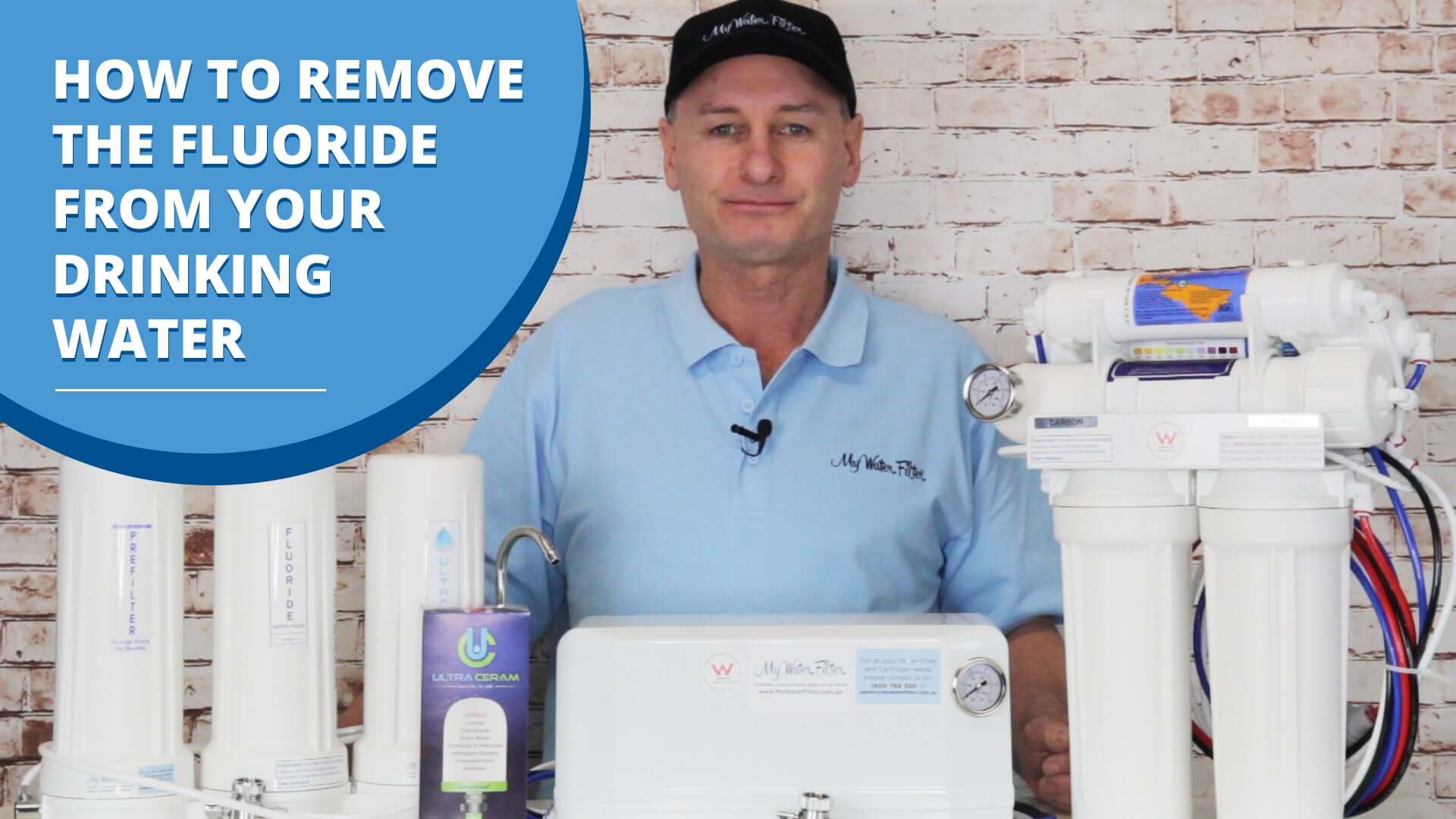 How to remove Fluoride from your Drinking Water | Blog
What about “volatile” vs. “non-volatile” compounds?
Think of it like this: volatile compounds (like chlorine) are party guests who can’t handle the heat—they flee. Non-volatile ones (like fluoride, lead, or arsenic) are the stubborn relatives who sit through dinner and demand dessert. Boiling does nothing to heavy metals, nitrates, or pharmaceuticals. That’s why your mom’s advice to “just boil the water” works for germs but not for chemical pollutants. If you’re worried about lead pipes, boiling actually increases the lead concentration by evaporating water. Oops.
Now, a confession: I used to be that person who boiled water for 20 minutes and felt smug about my “pure” hydration. Then I realized I was just making hot, flat, fluoride-rich water that tasted like an elevator button. The only thing I removed was the chlorine, and I could have done that by letting the water sit in an open pitcher in the fridge for a few hours. (True story: the same off-gassing happens at room temperature, just slower. So pour a jug, wait a day, and you’re chlorine-free without a stove.)
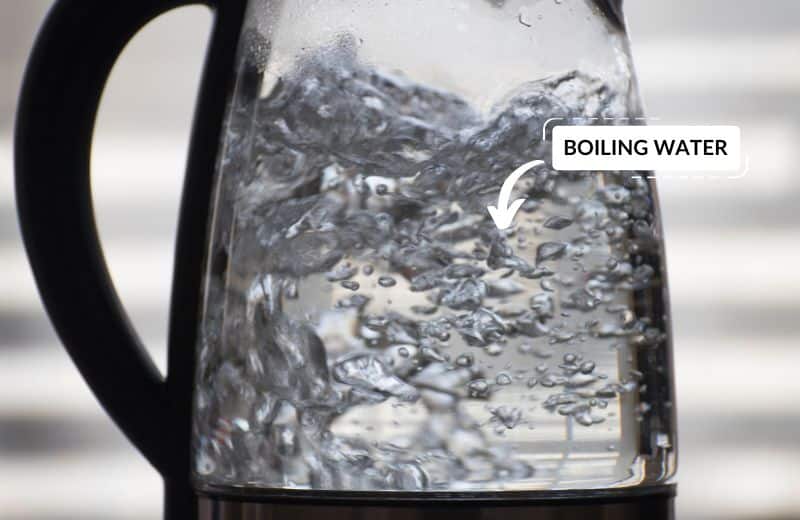 How to Filter Water Naturally at Home
So, what should you actually do?
If your goal is chlorine-free water, boil it for 15 minutes (lid off) or let it breathe in the fridge. If your goal is fluoride-free water, you’ll need a specialized filter—or just accept that most tap water has low levels that toothpaste already overpowers. And if you’re boiling because you’re paranoid about a government conspiracy? Honestly, the heat might calm your nerves, but it won’t change the chemistry. Stay skeptical, but stay logical.
My final verdict? Boil for safety, not for purity. Boiling is a brilliant tool for emergencies, but it’s not a magical detox. The next time someone tells you they “boil all their water to remove everything,” hand them a fluoride test strip and a gentle laugh. Then offer them a cold beer—which, by the way, also has trace amounts of fluoride. (No judgment, Karen. I’ll bring the ice.)
