How Much Water Is Recommended To Drink Each Day

We’ve all heard the “eight glasses a day” rule, right? It’s the gold standard of hydration advice, passed around like a family recipe. But here’s the thing: that number is mor...
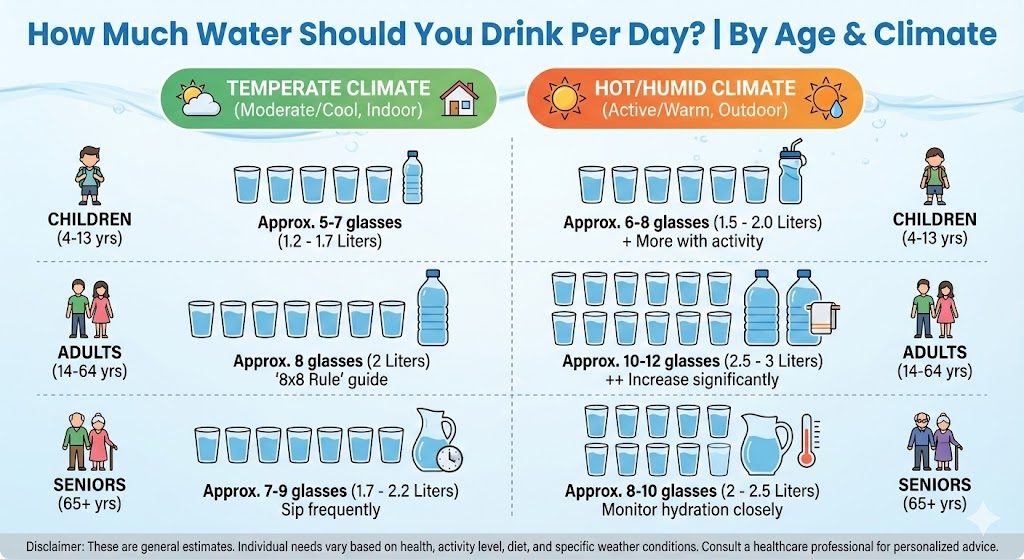
We’ve all heard the “eight glasses a day” rule, right? It’s the gold standard of hydration advice, passed around like a family recipe. But here’s the thing: that number is more of a friendly suggestion than a hard-and-fast law. The truth is, your water needs are as unique as your morning coffee order.
The Real Number (And Why It’s Flexible)
Officially, the U.S. National Academies of Sciences, Engineering, and Medicine recommend about 3.7 liters (15.5 cups) for men and 2.7 liters (11.5 cups) for women per day. That includes water from all sources—tap, food, and even your afternoon iced latte. So yes, that cucumber salad counts.
Before you panic and buy a gallon jug, remember this: 20% of your daily fluid intake comes from food. Think juicy fruits like watermelon, crunchy celery, or a bowl of soup. Even your morning oatmeal is a hydration hero.
Must Read
Your personal magic number depends on activity level, climate, and body size. A marathon runner in Phoenix needs way more than a desk worker in Dublin. Listen to your body—it’s smarter than any calculator.
The Clever Clues Your Body Sends
Your body is a master communicator, if you know how to listen. Thirst is a late sign—if you’re feeling parched, you’re already slightly dehydrated. Aim to sip throughout the day, not chug like a contestant at a beer festival.
Check your urine color. It’s weird, but it works: pale straw is perfect. Dark yellow or amber? Time to refill your glass. Clear? You might be overdoing it—yes, you can drink too much water.
Headaches, fatigue, and dry skin are quieter whispers. If your afternoon slump hits hard, try a glass of water before another espresso. You might just save your sleep cycle.
Cultural Sips: How the World Hydrates
In Japan, many people start the day with a glass of warm water (known as sayonara water) to kickstart digestion. In Mexico, agua fresca—water blended with fruit, lime, and a pinch of salt—is a daily staple. Meanwhile, in India, nimbu pani (spiced lemon water) does double duty as hydration and digestion aid.
Fun fact: In ancient Rome, soldiers carried water in leather bags called askos. They flavored it with vinegar to prevent spoilage—an early version of today’s trendy apple cider vinegar drinks. We’ve come full circle, and it’s delicious.
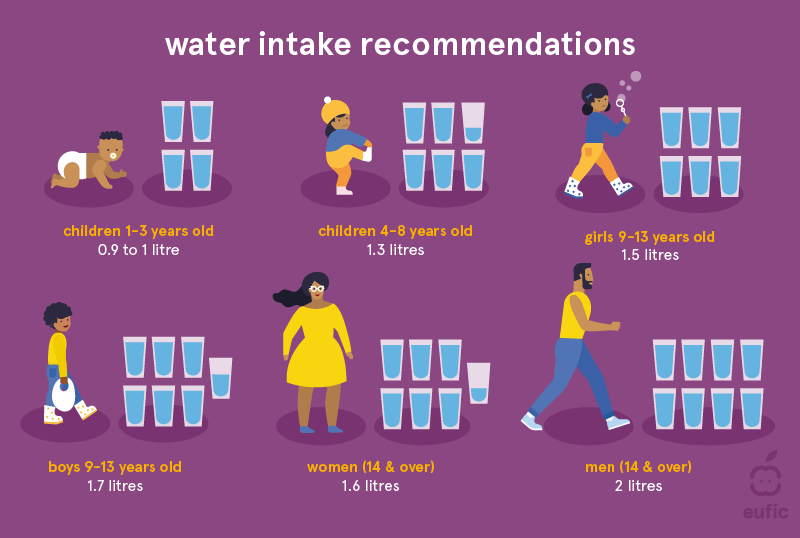 How Much Water Should You Drink A Day How Much Water Should You Drink
Practical Hacks for Real Life
Forget the “8 glasses” rule. Instead, try the “two-sip” method: take two sips every time you pass a water fountain or a full glass at your desk. It’s low-effort and adds up fast—like compound interest for your wellness.
Invest in a fun water bottle you actually want to carry. A sleek stainless steel one or a colorful hydro flask feels like an accessory, not a chore. Bonus points if it has time markers—turning hydration into a game.
Flavor your water naturally. Drop in cucumber slices, mint sprigs, or frozen berries—it’s like a spa treatment for your taste buds. For a tropical twist, add a splash of coconut water to your still water.
Set a gentle reminder on your phone. Not a screeching alarm, but something soft—a chime or a calming bell. Think of it as a friendly nudge from your future hydrated self.
The Overhydration Myth (Yes, It’s Real)
You can overdo it. Drinking massive amounts in a short time can dilute your sodium levels, a condition called hyponatremia. It’s rare but real—marathoners and intense exercise folks, take note.
The sweet spot is sipping steadily, not gulping. Aim for 8–10 ounces per hour if you’re active, or roughly a glassful each hour. Your kidneys can only process about 0.8–1 liter per hour. Don’t rush them.
 Hydration 101: How Much Water Should You Drink Each Day?
Water and Your Skin: Separating Myth from Glow
Will chugging water give you glass skin? Not exactly. Your skin’s hydration depends more on topical moisture and genetics than internal flooding. But dehydration does show up as dullness and fine lines. It’s a partnership, not a miracle.
Think of water as the foundation for your whole body, not just your face. It helps flush toxins, supports joint lubrication, and keeps your brain sharp. A hydrated brain is 20% faster at processing information—no joke.
Fun Facts to Sip On
Did you know that your body is about 60% water? That’s roughly the same percentage as a banana (75%) or a tomato (95%). You’re basically a walking garden, but much more opinionated.
The record for longest survival without water? 18 days, but that was an extreme case under medical supervision. For the rest of us, the limit is about 3–4 days. Please don’t test this.
Coffee and tea do count toward your daily intake. Caffeine is a mild diuretic, but the water in your brew far outweighs the fluid loss. So yes, your morning latte is a legitimate hydration move.
A Final Reflection
In a world of constant noise—notifications, deadlines, endless to-do lists—water is a quiet anchor. It asks nothing of you but to be present. A glass of water is a reset, a pause, a small act of self-care you can do anywhere.
Next time you feel overwhelmed, take a sip. Not because a number told you to, but because your body speaks a language of whispers. Listen. And maybe add a slice of lemon.
