How To Remove Microplastics From Bottled Water

Let’s be honest for a second. You’ve probably spent a small fortune on “pure” bottled water, thinking you’re drinking from a mountain stream. But the truth is, that fancy plas...
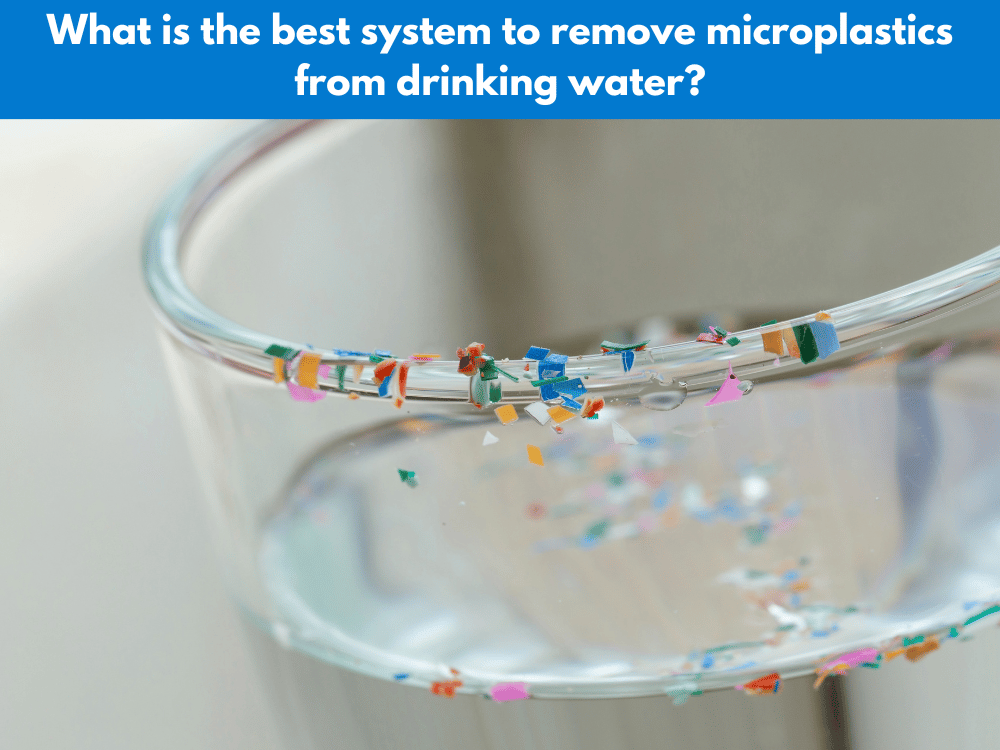
Let’s be honest for a second. You’ve probably spent a small fortune on “pure” bottled water, thinking you’re drinking from a mountain stream. But the truth is, that fancy plastic bottle is hosting a microscopic rave, and microplastics are the uninvited guests who won't leave.
These tiny plastic shards are like the glitter of the pollution world—they get everywhere. Finding them in your bottled water is about as shocking as discovering that your “healthy” granola bar is basically a candy bar in disguise. It’s disappointing, but not surprising.
The good news? You don’t need a laboratory or a chemistry degree to fight back. There are simple, kitchen-friendly ways to kick those little plastic party crashers to the curb. Let’s break down how to get water that’s actually, you know, just water.
Must Read
The First Line of Defense: Your Fridge
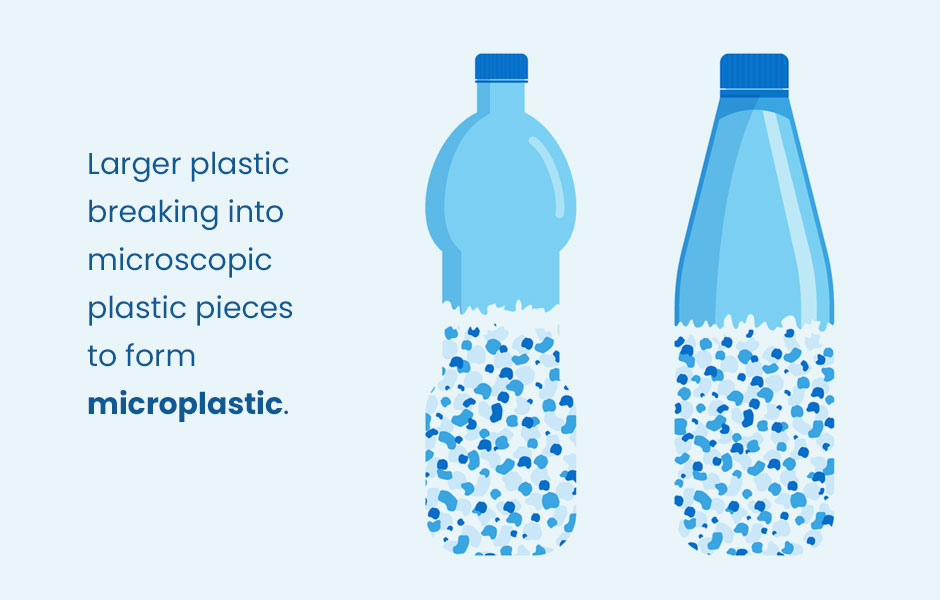
Think of your plastic water bottle as a container that’s constantly shedding tiny bits of itself, like a dog that molts year-round. Time and temperature are the biggest triggers for this shedding. Leaving a bottle in a hot car is basically giving the microplastics a green light to throw a riot.
So, rule number one: keep it cool. Storing your bottled water in the fridge—not on the counter, not in the sun—slows down the plastic breakdown. It’s like telling the microplastics, “Sorry, party’s cancelled.”
Also, never, ever reuse a single-use plastic bottle. That’s like putting a paper hat back on after you’ve worn it in a rainstorm. The plastic degrades quickly, and each refill shakes loose more microscopic junk.
The Boil and Cool Trick (It’s Weird but It Works)
Here’s a hack that sounds like a magic trick: boil your bottled water. Yes, actually boil it. A 2024 study found that boiling then cooling tap water can remove up to 90% of microplastics. The heat makes the plastic particles stick to the calcium in the water, creating a harmless crust that you can then filter out.
It’s like making a tiny, ugly blanket for each plastic speck, and then trapping the blanket with a coffee filter. You’ll end up with a chalky buildup in your kettle, which you can just rinse away. Gross but effective.
 How to Remove Microplastics in Water (2026 Guide)
Now, do this with bottled water? Absolutely. Pour your store-bought water into a pot, boil it, let it cool completely, and then pour it through a clean cloth or a simple paper coffee filter. It’s not fancy, but your gut will thank you.
The Filter That Actually Cares
Not all water filters are created equal. Your basic pitcher filter? That’s like using a net to catch fish—great for big stuff, but microplastics are tiny little Houdinis. They slip right through.
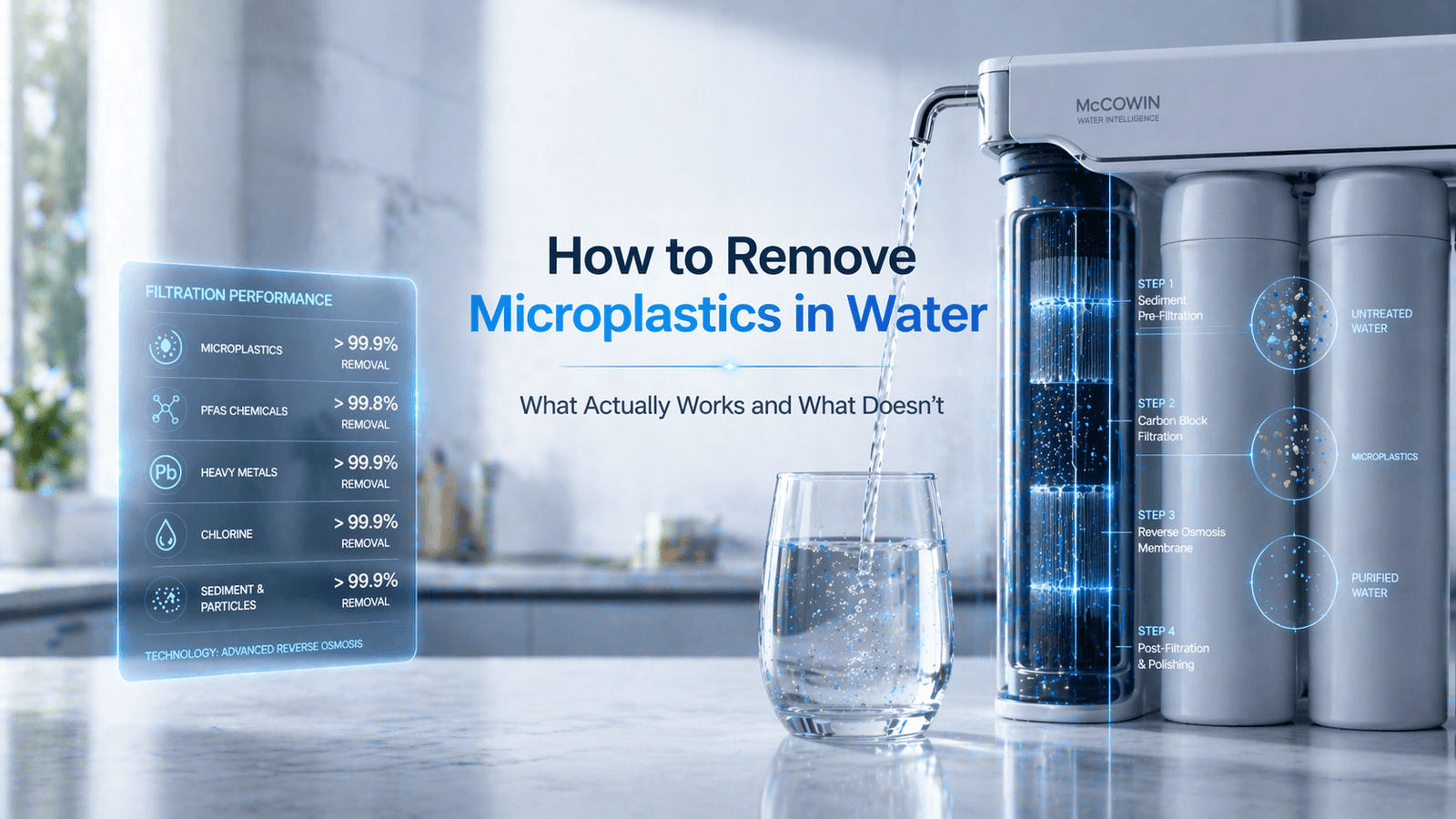
You need a filter with reverse osmosis or one that uses activated carbon with a pore size of 1 micron or smaller. Look for filters certified to remove “microplastics” specifically. It’s the difference between a bouncer at a club and a bouncer at a very exclusive, underground speakeasy.
If you don’t want to install a whole system, get a countertop distiller. It boils water and then collects the steam, leaving everything else—including plastics—behind. Think of it as a chastity belt for your water, keeping all the bad stuff out.
The Simple Swap: Ditch the Bottle
I know, I know—this sounds obvious, but hear me out. The easiest way to remove microplastics from bottled water is to stop buying bottled water. The irony is thick enough to spread on toast: the bottle is the source of the problem.
Switch to a reusable glass or stainless steel bottle. Glass is the queen of inert materials—it doesn’t shed anything. Stainless steel is the dependable, gym-bag-friendly cousin. They both laugh at plastic particles. “Not today, micro-shards,” they say.
 How To Filter Microplastics From Bottled Water at Troy Haynes blog
Once you make the switch, you’ll feel a weird sense of superiority. You’ll see someone buying a pack of water bottles and you’ll want to tap them on the shoulder and whisper, “Hey, you’re drinking a lightly seasoned plastic soup.” But you won’t, because that’s weird.
When You’re Stuck (The Traveler’s Coping Strategy)
Sometimes you’re on a road trip, and the only option is a warm, sad bottle of water from the gas station. We’ve all been there. It’s the culinary equivalent of eating a gas-station hot dog—you know it’s not great, but you do it anyway.
In those moments, do one small thing: shake the bottle first. I know, it sounds counterintuitive. But studies show that shaking can release particles, so you want to let the bottle sit still for a minute, then gently pour out the top half and leave the last inch behind. The plastics tend to settle at the bottom, like sediment in a bad wine.
It’s not a perfect solution, but it’s better than nothing. Think of it as the “please don’t give me a hangover” version of water consumption. Every little bit counts.
Final Sip of Reality
Look, you’re not going to remove 100% of microplastics from your life. They are in the air, on your clothes, and probably in your toothpaste at this point. But reducing your intake from bottled water is a huge win with very little effort.
Boil, filter, or just switch to glass. Your kidneys and your future self will send you a thank-you note written on, well, not plastic. And the next time you see a plastic bottle, you’ll smile—not because you’re thirsty, but because you know you’ve got a better plan.
