What Does Reverse Osmosis Water Filter Remove

Let’s be honest: when someone starts talking about water filters, our eyes can glaze over faster than a melted ice cube. But stick with me, because reverse osmosis—or RO, for...
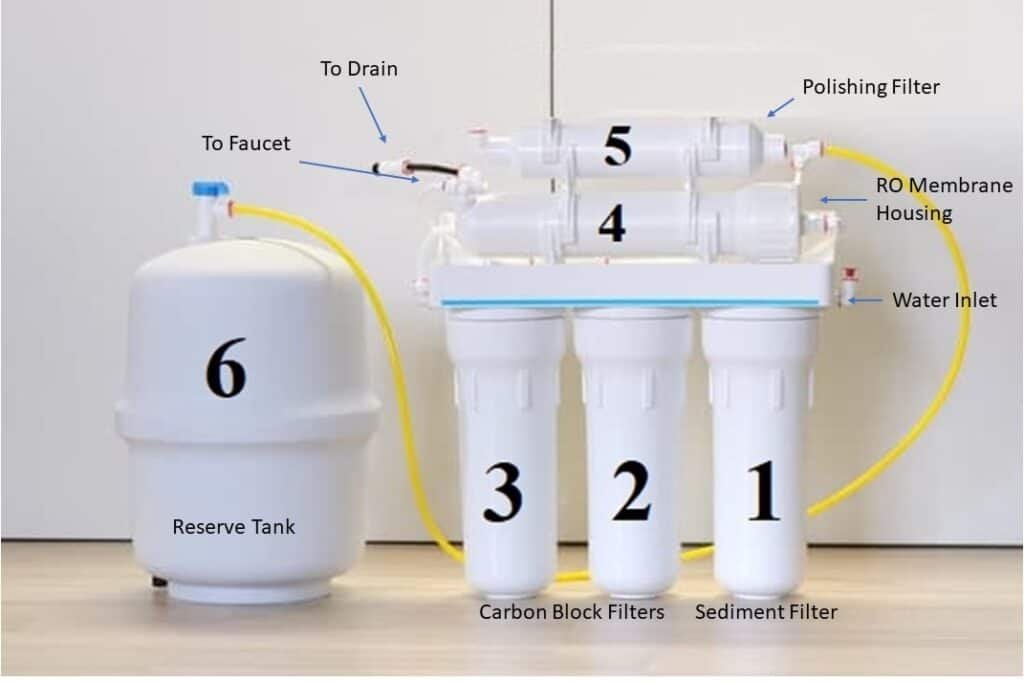
Let’s be honest: when someone starts talking about water filters, our eyes can glaze over faster than a melted ice cube. But stick with me, because reverse osmosis—or RO, for the cool kids—is actually the superhero of your kitchen tap. It’s like having a bouncer at a club who only lets the VIPs (pure water molecules) inside, while telling all the riffraff to take a hike.
So, what exactly does a reverse osmosis system remove? In simple terms, it yanks out almost everything that isn’t pure H2O. Think of it as a very picky, very effective strainer. It’s not just about taste—it’s about ditching the stuff you never knew was camping out in your glass.
Goodbye, the “Hard Water” Crew
Ever notice those chalky white spots on your dishes after they dry? Or that weird film on your shower door? That’s hard water, packed with calcium and magnesium. RO kicks them out. Your coffee maker will thank you, too—no more scrubbing out mineral buildup every month.
Must Read
The same goes for lead and copper. If your home has older pipes, those metals can slowly leach into your water. It’s like your plumbing is sneaking you a tiny, unwanted gift. RO says, “Not today, old pipes,” and sends those metals packing.
The Salty and the Slimy
Then there’s sodium and chloride. Yes, even if you don’t live near the ocean, some tap water has a faint salty taste from road salt runoff or natural deposits. RO can strip that out, leaving you with water so clean it doesn’t taste like anything—which is exactly the point. Pure water is the blank canvas for your coffee or tea.
And what about that slightly slimy feeling from silica or sulfates? Yep, removed. Ever poured a glass of water and thought, “Hmm, this smells faintly like a hard-boiled egg”? That’s likely hydrogen sulfide or other sulfur compounds. RO waves a magic wand, and poof—the egg smell vanishes.
 Do Reverse Osmosis Filters Remove Chlorine at Michiko Durbin blog
The Hidden Hitchhikers
Here’s where it gets really cool: RO also tackles things you can’t see or smell. I’m talking about nitrates and nitrites, which can sneak into water from fertilizers or old septic systems. Not exactly something you want to sip with your breakfast. RO blocks those like a goalie does a soccer ball.
You’ve probably heard about PFAS (also called “forever chemicals”) in the news. They’re in everything from non-stick pans to takeout boxes, and they’ve been showing up in water supplies. Guess what? A good RO system does an amazing job of kicking PFAS out of the picture. It’s like putting a “No Trespassing” sign on your water glass.
The Surprising Thing It Leaves In
Now, don’t get me wrong—RO is ruthless, but it’s not perfect. It removes fluoride, which some municipalities add for dental health. If that bothers you, you can always get a remineralization filter or just enjoy the naturally clean taste and brush your teeth twice a day. Also, RO lets dissolved gases like oxygen pass through, which is why filtered water still tastes fresh, not flat.
 Best Water Filters in UAE | Filtersco
But here’s the big win: RO removes microplastics. Those tiny plastic particles that have been found in tap water, in bottled water, and even in rain? Gone. It’s one less thing to worry about when you pour yourself a tall glass on a hot day.
Why You Should Care (In Fun Terms)
Think about it: your body is about 60% water. That’s like a giant water balloon that also has a job, a family, and a Netflix queue. Why wouldn’t you want that balloon filled with the cleanest water possible? RO doesn’t just taste better—it means your kettle stays scale-free, your soups taste purer, and your ice cubes are so clear they look like little diamonds.
I once had a neighbor who swore her hair felt softer after she got an RO system. She said, “It’s like my shower went from ‘meh’ to ‘spa day.’” And she’s not wrong—less mineral buildup means your soap lathers better and your skin doesn’t feel like it’s coated in chalk. It’s a small upgrade that makes daily life a little more pleasant.
So the next time you see a reverse osmosis filter under someone’s sink, don’t think “complicated gadget.” Think of it as the friendly bouncer who keeps the bad guys out, lets the good water in, and gives you the cleanest, crispest sip of water you’ve ever had. Cheers to that.
