How To Measure Total Dissolved Solids In Water

Let’s be honest: water is the background character of your life. You only notice it when it tastes weird, looks cloudy, or your coffee maker suddenly throws a tantrum. That st...

Let’s be honest: water is the background character of your life. You only notice it when it tastes weird, looks cloudy, or your coffee maker suddenly throws a tantrum. That strange film on your morning brew? That’s total dissolved solids (TDS) crashing your breakfast party.
What in the World Are Total Dissolved Solids?
Think of TDS as the invisible stuff your water is secretly carrying. It’s a mix of minerals, salts, and tiny bits of organic matter that dissolved into the water as it traveled through rocks and pipes. It’s like your water went to a party and came home with a bunch of invisible glitter.
Some of those solids are totally fine—hello, calcium and magnesium! But too many can make your water taste like a dusty penny or leave white spots on your glasses. So, measuring TDS is basically checking your water’s “baggage claim.”
Must Read
The Super Simple Tool: The TDS Meter
Forget chemistry beakers and fancy lab coats. The easiest way to measure TDS is with a gadget called a TDS meter. It looks like a fat thermometer or a weird pen your uncle might use to test his fish tank. Amazon sells them for less than the cost of a fancy latte.
You just unscrew the cap, dip the little metal probes into a glass of water, and wait two seconds. The screen lights up with a number—like 150 or 450. That number tells you how many parts per million (ppm) of gunk are floating around. It’s ridiculously satisfying.
How to Actually Use the Thing
First, grab a clean glass of tap water. Don’t dip it in the toilet, even for a laugh—just stick to your kitchen sink. Turn on the TDS meter, dip it in, and swirl it gently like you’re stirring a potion.
Wait for the number to stop bouncing around. That’s your reading. Now pour it out and try bottled water, then maybe that weird puddle from your basement dehumidifier. You’ll suddenly feel like a water detective with a badge and a grudge.
What the Numbers Actually Mean
Here’s the cheat sheet: 0–50 ppm is basically rain or distilled water—almost nothing in there. 50–150 ppm is what you want to drink (like a crisp spring morning). 150–300 ppm is average tap water—fine, but a little “minerally.”
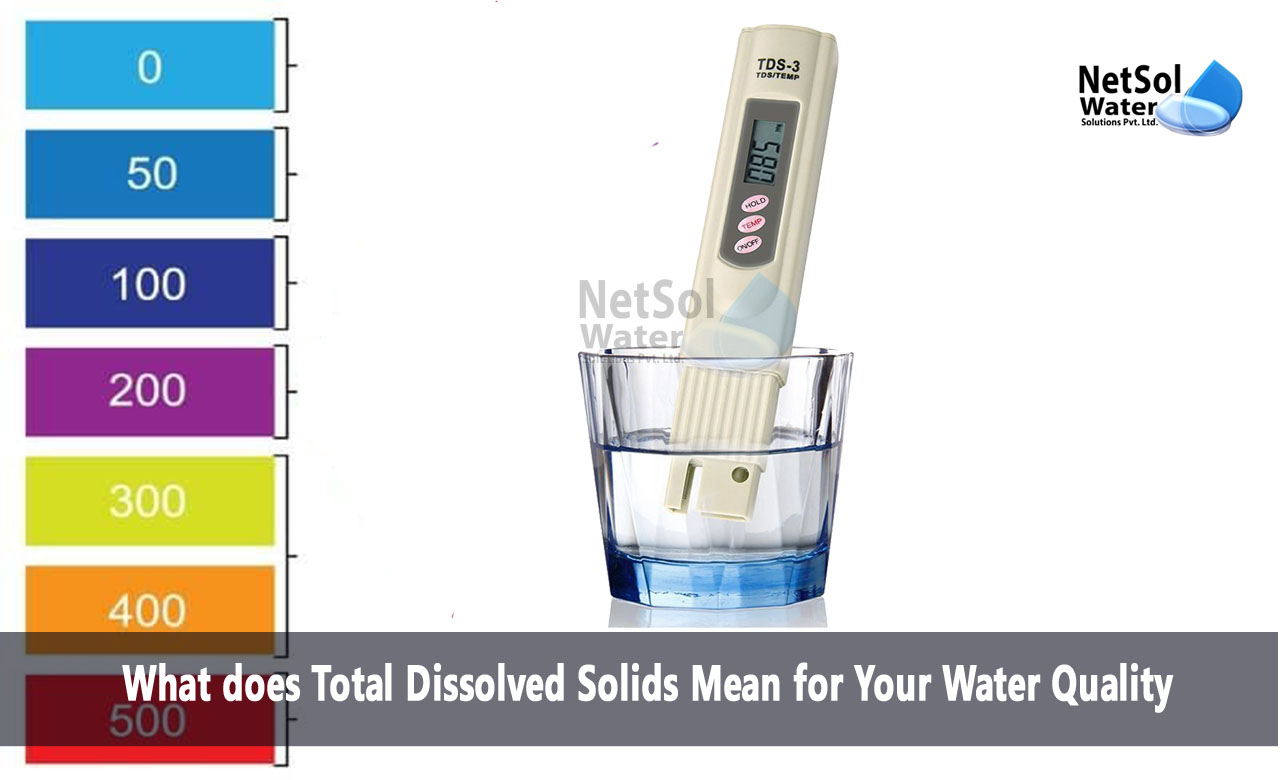 What Is Tds In Water Mean at Benjamin Downie blog
Once you hit 300–500 ppm, your water starts to taste like it’s judging you. Over 500 ppm? That’s the zone where you’ll find hard water that hates your soap, your hair, and your dishwasher. At 1,000 ppm, it’s basically a salty soup—don’t drink it unless you’re a camel with a death wish.
The “Why Should I Care” Moment
You know that white crust on your kettle? That’s calcium carbonate showing off. It’s a solid you dissolved, but now it’s being annoying. If your TDS is high, your appliances—coffee makers, humidifiers, fish tanks—all work harder and die sooner.
I once tested my aquarium water after a grumpy betta fish stopped eating. TDS was 950 ppm. Poor guy was basically living in a mineral spa with no snacks. A quick water change dropped it to 200, and he was back to bullying snails within an hour. The fish knows. Trust the fish.
When Measuring Gets Goofy
First time I used a TDS meter, I tested everything in my house. Tap water: 220. Bottled spring water: 110. My roommate’s leftover bathwater: 1,200 ppm. I gagged, but I also felt oddly proud of my new hobby.
You might catch yourself testing rain, puddles, or even your dog’s water bowl. That’s normal. Just don’t test the garden hose after it’s been sitting in the sun—that water is practically a mineral smoothie.
_English_v1_00139.jpg) ShannonwetProctor
ShannonwetProctor
The Cheap DIY Method (If You’re Broke or Bored)
No meter? No problem. Grab a clean glass jar, fill it with water, and let it sit uncovered for 24 hours. If you see a white film or dust on the bottom, congrats—you have solids that settled. That’s a rough sign of high TDS, but not a precise measurement.
Alternatively, boil a pot of water until it’s all gone. If the pot looks like a Jackson Pollock painting of white spots, your TDS is high. This method is low-tech and very satisfying for your inner science geek.
Should You Freak Out?
Let’s be real: a slightly high TDS won’t kill you. Your body needs those minerals—calcium, magnesium, potassium. The problem is when the number goes bonkers high, or when the solids include toxic stuff (like lead from old pipes). The TDS meter can’t tell you what is in there, just how much. Think of it as a speedometer, not a diagnostic tool.
If your water tastes funny or your skin feels like sandpaper after a shower, test it. If the TDS is over 500, consider a filter or a water softener. Your kettle will thank you with shorter boil times.
The Final Sip
Measuring TDS is the easiest way to judge your water’s vibe without becoming a chemist. It takes ten seconds, costs pocket change, and turns you into a minor expert at parties. “Oh, your water is 180? Nice, that’s balanced.” People will think you’re a wizard.
So go ahead, dip that meter. You’ll either confirm your tap water is great, or discover your morning coffee has been secretly made from dinosaur juice. Either way, you’re now in control. And honestly, that’s the best kind of water to drink.
