Does Boiling Sink Water Make It Safe To Drink

You’re standing at the kitchen sink, a glass in hand, staring at the water. Maybe the tap ran brown this morning, or you’re camping and the stream looks clear but you’re not e...
You’re standing at the kitchen sink, a glass in hand, staring at the water. Maybe the tap ran brown this morning, or you’re camping and the stream looks clear but you’re not entirely convinced. The old advice bubbles up: just boil it. But does boiling sink water actually make it safe to drink?
The short answer is yes—for microbes. Boiling kills bacteria, viruses, and parasites that can cause nasty gastrointestinal distress. Think of it as a mini-sterilization chamber for your kettle.
But here’s where it gets interesting. Boiling does nothing to remove chemical contaminants. Lead, pesticides, heavy metals, or nitrates from fertilizer? They’ll still be there, having a little party in your mug.
Must Read
The Germs Are Gone, But What About the Gunk?
When water is contaminated by sewage overflow, agricultural runoff, or old pipes, boiling is a lifesaver. The CDC backs this up: bringing water to a rolling boil for at least one minute kills most pathogens. At high altitudes, bump it to three minutes, because water boils at a lower temperature up there.
However, if the water smells like bleach, tastes metallic, or has an oily sheen, boiling can actually make things worse. Heat can concentrate certain chemicals by evaporating the water—so your lead levels might go up, not down.
Fun fact: Ancient Romans knew this. They boiled water to make it safer, but they also used elaborate aqueducts and clay filters. They understood that heat wasn’t a magic wand.
When Should You Boil Sink Water?
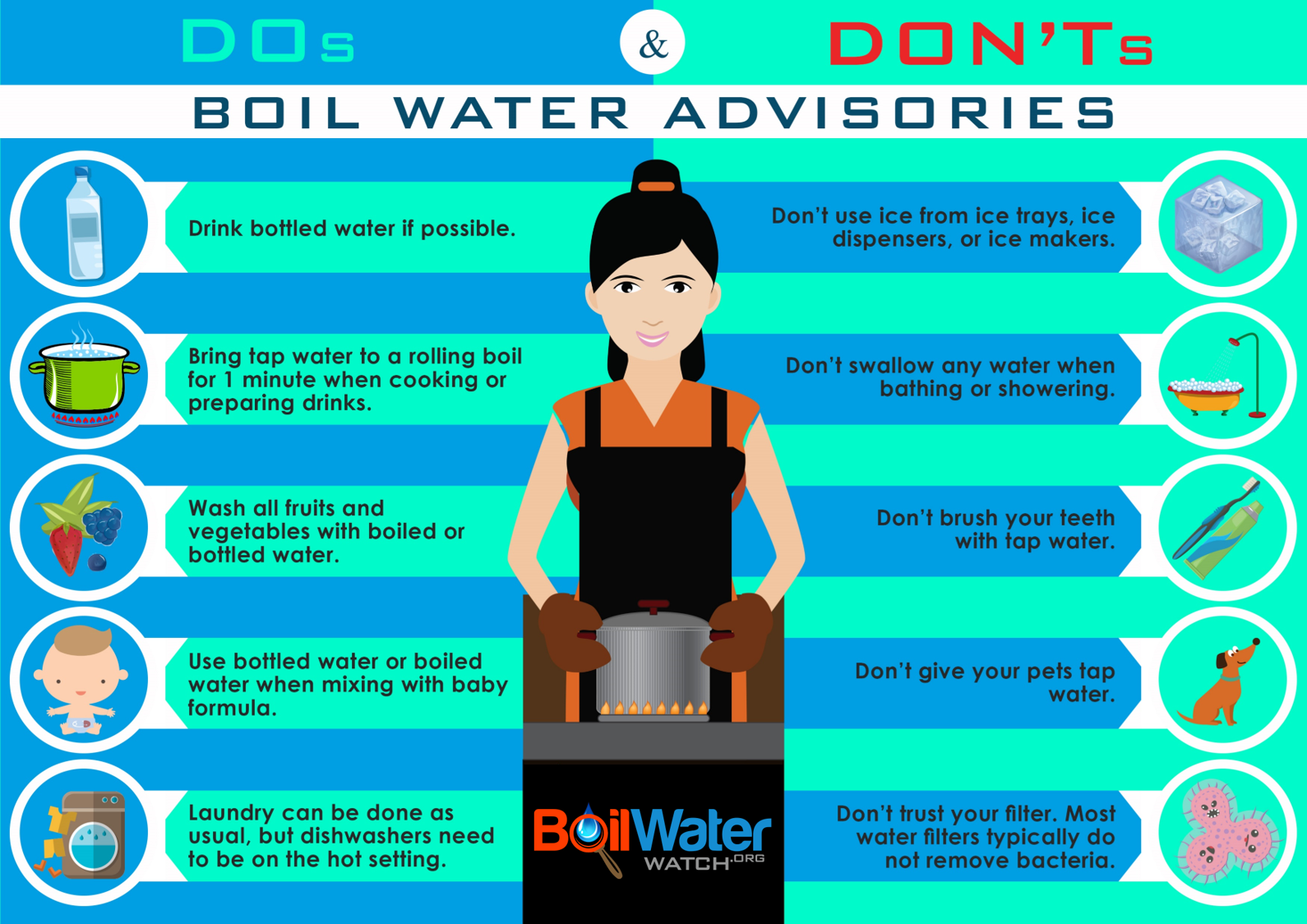
Boil only when local authorities issue a “boil water advisory.” This happens after a main break, flood, or treatment failure. In that case, it’s a reliable tactic until the all-clear sounds.
For everyday tap water, boiling is overkill. Modern municipal systems already chlorinate and filter to remove microbes. You’re just wasting energy and, ironically, making the water taste flat (boiling removes dissolved oxygen).
Let’s say you’re on a road trip and the motel sink water looks a little “rustic.” Boil it, let it cool, then pour it back and forth between two clean cups to add air—that restores the crisp taste. Practical tip: Keep a clean pot lid handy to catch steam, then use that collected water for rinsing dishes.
 Boiled Water: How Does Boiling Water Make it Safe to Drink? – Frizzlife
The Cultural Boiling Ritual
In many parts of the world, boiling tap water is second nature. In Mexico, families often boil even treated tap water as a precaution. In China, drinking boiled water (温开水) is a cultural norm for health and digestion. It’s a lovely daily ritual—a pause to heat, wait, and sip.
Meanwhile, in countries like the U.S. or U.K., we rarely boil tap water unless something’s gone wrong. The irony? We buy bottled water that’s often just reprocessed tap water. Go figure.
Fun fact: A 2019 study found that boiling hard water for five minutes can slightly reduce calcium and magnesium levels—good if you have limescale, but not a health win.
So, Does Boiling Make It Safe? The Real Answer
If you’re worried about biological safety—germs, cysts, protozoa—yes, boiling is your best friend. It’s the oldest, cheapest, most effective method we have. Just don’t expect it to fix a chemical problem.
What about microplastics? Recent studies show boiling can reduce some of them, too. The calcium in hard water encrusts the plastic particles, making them settle out. So in certain tap waters, boiling might actually do double duty.
Final tip: Always let boiled water cool in a clean, covered container. Don’t pour it into a plastic bottle while hot—that can leach chemicals from the plastic into your “pure” water. Use glass or stainless steel.
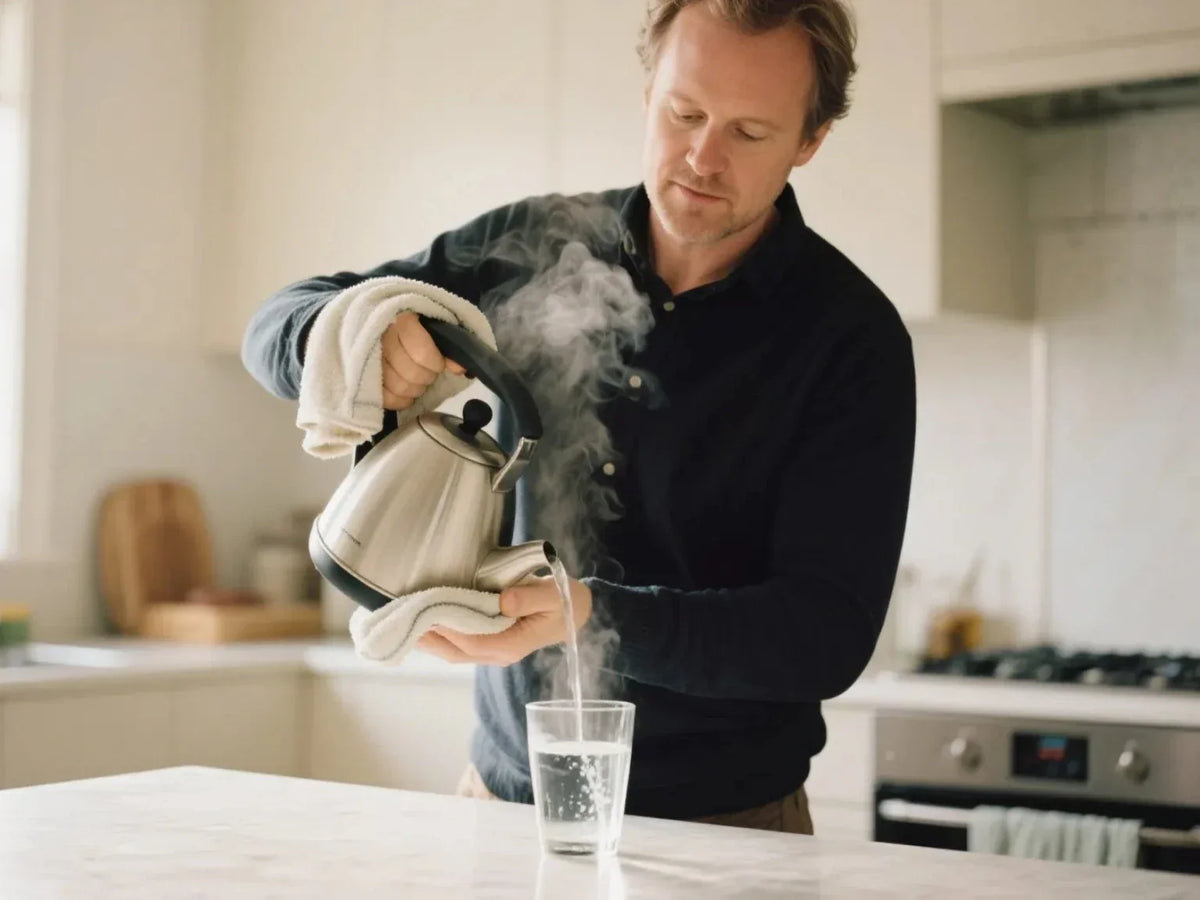 Boiled Water: How Does Boiling Water Make it Safe to Drink? – Frizzlife
What to Do If You’re Unsure
If your sink water looks cloudy, smells off, or you live in an area with known lead pipes, don’t rely on boiling alone. Use a certified water filter (activated carbon or reverse osmosis) for chemicals. Or contact your local water provider for a quality report.
In a true emergency, boiling is your first line of defense. Pair it with a few drops of unscented bleach (if you have no stove) and a coffee filter for sediment. Survivalists call this “the three-step dance.”
Fun fact: The world’s oldest known water filtration system—a sand and charcoal filter—was used by the Greeks around 500 BCE. They boiled after filtering. They knew the combo is king.
A Little Reflection for Your Daily Life
Standing there, kettle in hand, you’re participating in an ancient act of care. Boiling water is a pause button between you and uncertainty. It’s a tiny ritual that says, “I’ll be safe, thank you very much.”
But here’s the real takeaway: know your water. Check your local reports. Run the tap cold before drinking. And when in doubt, boil—but then, let it cool, sip slowly, and appreciate that you have the power to make a simple thing safe.
Because sometimes, safety isn’t about erasing every possible threat. It’s about giving yourself a moment of certainty in a world that’s mostly tap water and mystery. Cheers to that.
