What Does Carbon Filtration Remove From Water

So, you’ve bought a fancy carbon water filter. Maybe it’s a pitcher shaped like a spaceship, or a faucet attachment that promises “mountain spring freshness.” But let’s be hon...
So, you’ve bought a fancy carbon water filter. Maybe it’s a pitcher shaped like a spaceship, or a faucet attachment that promises “mountain spring freshness.” But let’s be honest—do you actually know what it’s doing in there? Besides making your water taste less like a swimming pool, carbon filtration is doing some surprisingly heavy lifting.
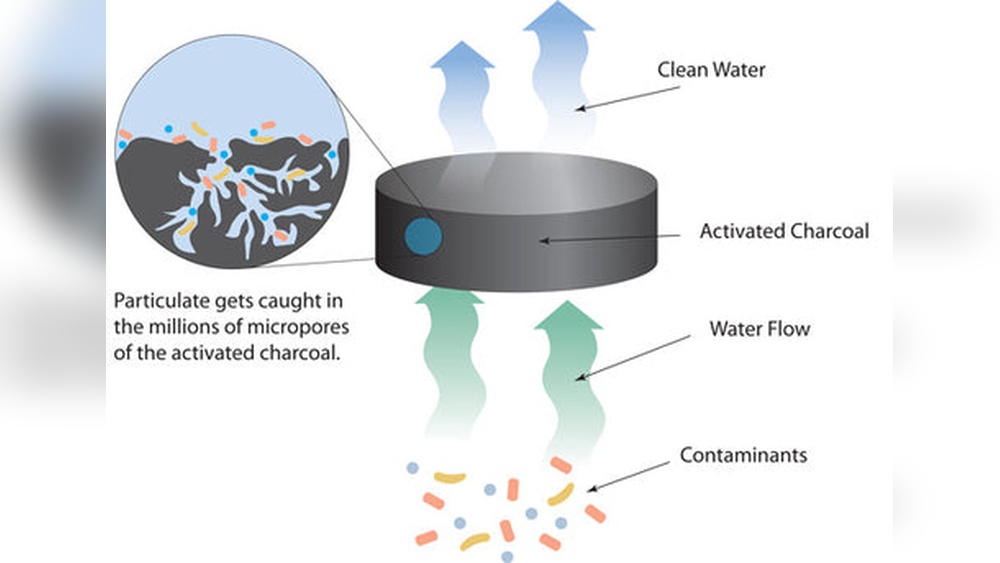
Think of activated carbon as a super-absorbent sponge with the attitude of a bouncer at an exclusive club. It lets the good stuff (water molecules) slide right through, but it kicks out the riff-raff. And by “riff-raff,” I mean a whole rogues’ gallery of unwanted chemicals and odors.
The Big, Obvious Culprits: Chlorine and Taste
First up: chlorine. Your municipal water supply probably adds it to kill bacteria, which is great. But drinking it? It’s like gargling with a hotel pool. Carbon filtration grabs that chlorine by the chemical collar and yanks it out, leaving you with water that doesn’t smell like a bleach commercial.
Must Read
This is why filtered water suddenly tastes “crisp” or “smooth.” It’s not magic—it’s just the absence of chemical weirdness. You’ll also notice that tea or coffee brewed with filtered water suddenly tastes less like “vague floor cleaner” and more like, you know, tea.
The Sneaky Stuff: Volatile Organic Compounds (VOCs)
Now we get into the chemicals with scary names. VOCs are things like pesticides, industrial solvents, and the ghost of that gas you spilled near the lawn mower. They’re volatile because they evaporate easily, and they can make your water taste like a mechanic’s garage floor.
Activated carbon is a chemical ninja here. It traps these volatile compounds using a process called adsorption—basically, the carbon’s massive surface area acts like flypaper for molecules. One gram of activated carbon has more surface area than a football field. No, really. You could theoretically play a very tiny game of touch football on a single speck of carbon dust. I wouldn’t recommend it.
What About the “Bad” Stuff That Carbon Can’t Remove?
Here’s where we need to pump the brakes on the hype. Carbon filters are terrible at removing dissolved minerals like calcium, magnesium, or lead. Those heavy metals? They laugh at carbon. If you have lead pipes, a pitcher filter is about as useful as a paper umbrella in a hurricane.
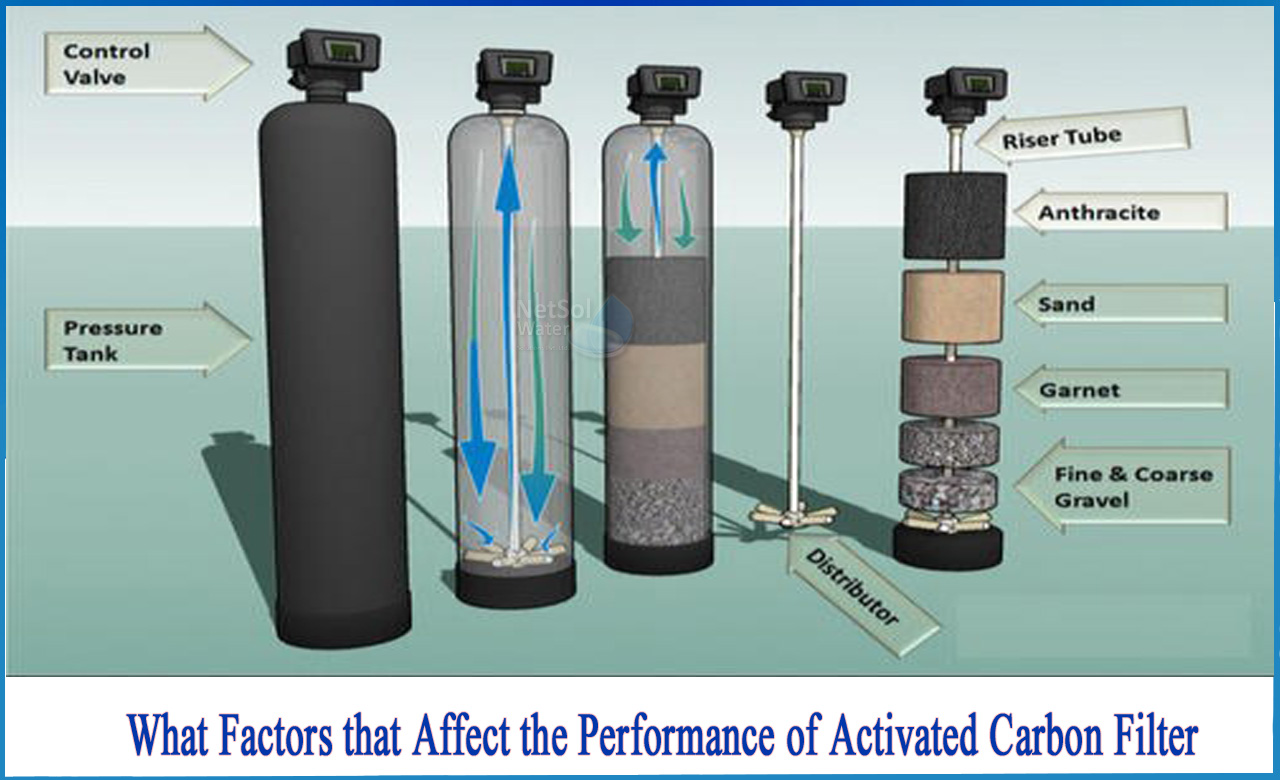 What Does A Carbon Filter Do
Same goes for nitrates, fluoride, and viruses. Carbon filters are not microscopic bouncers for every pathogen. They’re more like a selective doorman who only boots out the smelly, the oily, and the chlorine-y. For actual microbial safety, you need UV light or reverse osmosis—but that’s a story for another coffee shop rant.
The Surprising Party Guest: Sediment
Carbon filters also act as a physical strainer for things like sand, rust flakes, and tiny bits of pipe that break free during city maintenance. I call this “municipal confetti,” and you do not want it in your morning coffee. A good carbon block will trap these particles so your water stays clear, not cloudy like a bad sitcom character arc.
Fun fact: The same carbon that filters your water is also used in gas masks, aquarium filters, and to clean up oil spills. Your water bottle is basically wearing a tiny military-grade hazmat suit. You’re welcome, planet.
Does It Remove “Forever Chemicals” (PFAS)?
Ah, the big scary headline: PFAS. These are man-made chemicals that resist heat, water, and even God’s judgment. They’re in everything from non-stick pans to rain jackets, and they’ve been found in drinking water across the globe. The short answer: some carbon filters can reduce PFAS, but it’s not a guarantee.
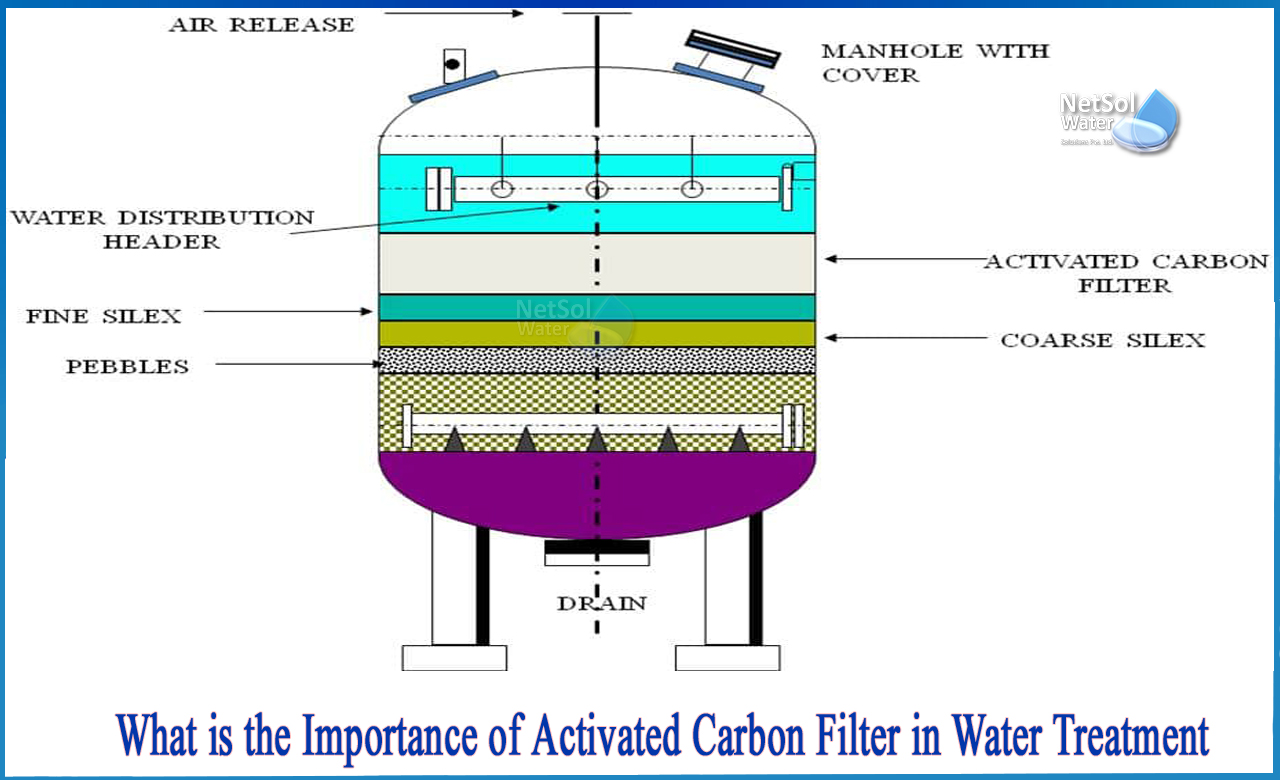 What is the importance of Activated carbon filter in water treatment
Activated carbon works best on PFAS with long chemical chains. The short-chain PFAS laugh and swim right through. If you’re worried about PFAS, look for filters specifically tested against them—or start building that backyard still you’ve been dreaming about. (Please don’t.)
The Bottom Line (For Your Tap)
So, should you use a carbon filter? Absolutely yes—if your goal is better-tasting, less-smelly water. It’s the fastest, cheapest way to turn tap water from “meh” to “hey, this is pleasant.” Just don’t expect it to cure cancer or remove microplastics (it doesn’t).
And remember: Change your filter. A carbon filter that hasn’t been swapped out in six months is just a friendly home for bacteria. It’s like a petri dish with a spout. Set a reminder on your phone, or your water will eventually taste as exciting as a used gym sock.
Now go forth, filter your water, and impress your friends with your new knowledge. You can tell them that every time they take a sip, they’re drinking through a ghost football field of pure cleaning power. They’ll be amazed. Or they’ll think you’ve gone mad. Either way, your water will be delicious.
