Does Reverse Osmosis Remove Coliform Bacteria

So, you’ve just installed a reverse osmosis (RO) system under your sink, or you’re thinking about it. And now you’re wondering about the “ick” factor—specifically, coliform ba...
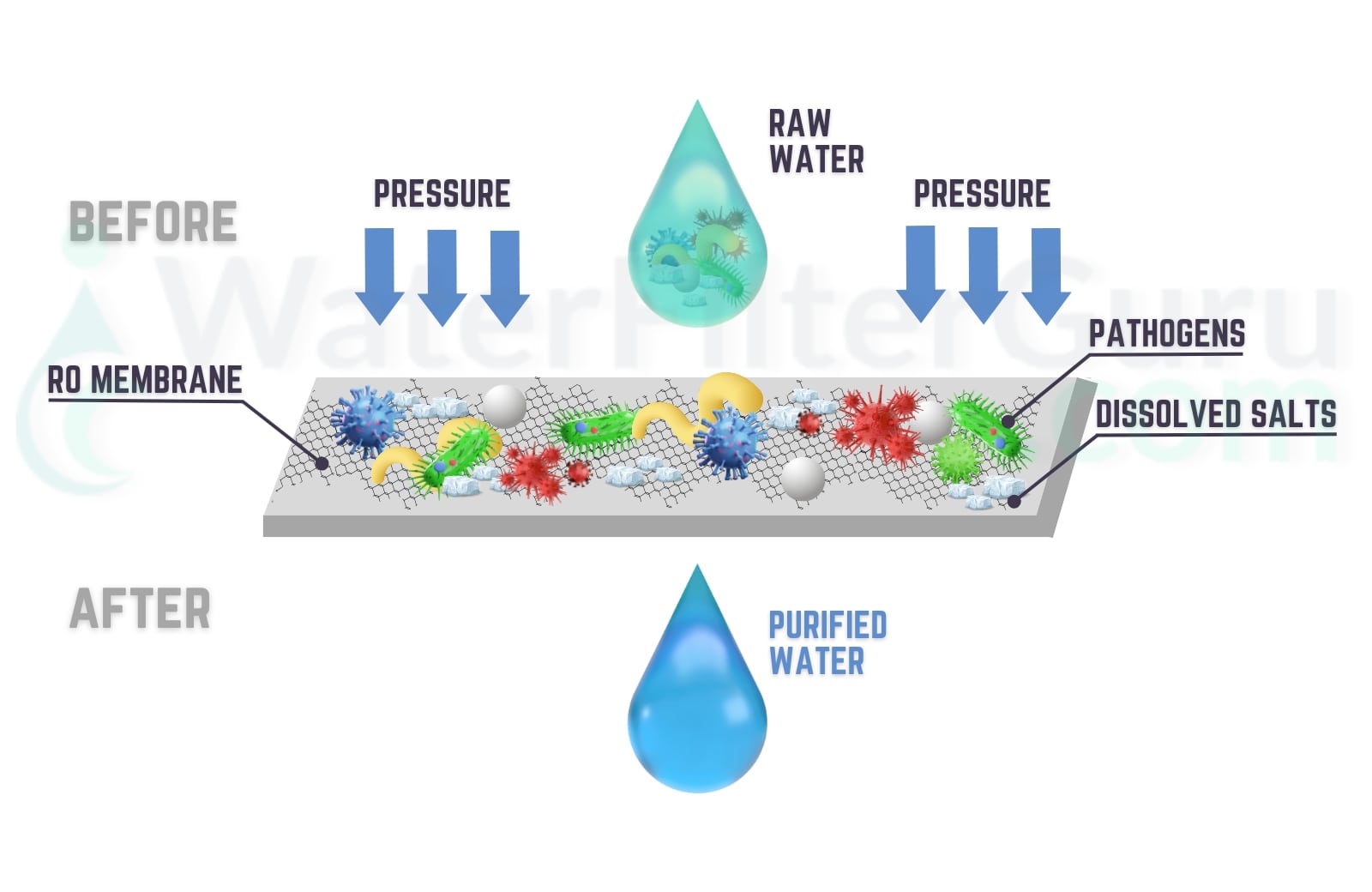
So, you’ve just installed a reverse osmosis (RO) system under your sink, or you’re thinking about it. And now you’re wondering about the “ick” factor—specifically, coliform bacteria. Can that tiny membrane really stop those microscopic party crashers?
The short answer is a cheerful and confident yes, but let’s dig into the “why” with a little bit of science party magic. Reverse osmosis isn’t just a fancy filter; it’s a physical gatekeeper that pushes water through a membrane with holes so small, even viruses and bacteria get left behind.
The Coliform Conundrum: What Are We Talking About?
First, what are coliform bacteria? Think of them as the canary in the coal mine for water quality—harmless in small amounts, but a sure sign something unsavory (like sewage or surface runoff) has snuck into your well. E. coli is the most famous (or infamous) member of this family.
Must Read
You don’t want them in your drinking water. And luckily, your RO system is a bit like a bouncer at an exclusive club who really checks IDs.
How RO Does the Dirty Work
The magic is in the membrane. Imagine a net so fine that it catches everything larger than a water molecule. Bacteria? They’re huge compared to that pore size. The RO system literally shoves water through this microscopic mesh, and the bad guys get flushed down the drain as “brine.”
It’s almost unfair, really. The bacteria don’t stand a chance. Studies routinely show RO removes 99.9% of coliform bacteria, which is about as close to perfect as you can get in the real world.
But Wait—A Tiny Caveat (With a Fun Fix)
Here’s where we get sneaky. A pristine RO membrane will remove bacteria. But what if your membrane has a microscopic tear? Or, more commonly, what if the bacteria accumulate on the “dirty” side of the membrane and start growing?
 Can Reverse Osmosis Remove Bacteria at Savannah Holroyd blog
This is called biofilm, and it can allow bacteria to sneak past over time. This isn’t a failure of the RO, just a reminder that no single technology is a magic wand. The solution is simple and fun: most RO systems come with a pre-filter and a post-filter. The pre-filter catches bigger gunk, and the post-filter (often carbon or UV light) zaps any stragglers.
Think of it as a three-layer security system: first, the brawny pre-filter, then the ninja membrane, and finally the UV light that sings a little “goodbye” song to any remaining microbes.
Should You Rely Solely on RO for Bacteria?
If your water source is a well that tests positive for coliform, you don’t just want removal—you want complete annihilation. That’s why experts often recommend pairing RO with a UV disinfection lamp or a chlorine injection system before the RO membrane.
Why? Because UV light or chlorine kills the bacteria instantly, so they never reach the membrane alive. This makes your water not just pure, but absolutely pristine—the kind of water that makes you want to pour yourself a glass just to admire it.
 Does Reverse Osmosis Remove Coliform Bacteria?
Making Life More Fun, One Drop at a Time
Here’s where the topic gets genuinely uplifting. Knowing your water is free from coliform bacteria means you can stop worrying and start enjoying. You can fill a pitcher of ice water without a second thought. You can make coffee that tastes like a hug from a friendly cloud.
And let’s be honest: there’s a special joy in telling your friends, “Oh, my water is reverse osmosis filtered. It removes bacteria.” It sounds fancy, but it’s actually you being a hero for your own health. How fun is that?
The Uplifting Note
So, does reverse osmosis remove coliform bacteria? Yes, brilliantly—with a few smart helpers. You now have the key to unlocking water that’s not just safe, but inspiring. Every glass you drink becomes a small victory over invisible invaders.
This isn’t just about plumbing. It’s about empowerment. You’ve learned how a simple membrane can turn a potential problem into a solved mystery. Go ahead—install that system, test that water, and take a sip. You’ve earned it. The world of clean water is waiting, and it’s way more fun than you ever imagined.
