How To Tell If Your Water Softener Is Working

So, you’ve dropped a small fortune on a water softener, hoping to banish that crunchy, chalky feeling from your skin and rescue your coffee maker from a calcium crypt. But now...
So, you’ve dropped a small fortune on a water softener, hoping to banish that crunchy, chalky feeling from your skin and rescue your coffee maker from a calcium crypt. But now you’re staring at that beige box in the garage, wondering if it’s actually doing anything, or if it’s just a very expensive paperweight that hisses occasionally. Don’t worry—you don’t need a chemistry degree to diagnose the beast. Let’s crack the case with a few hilariously simple tests.
The Soap Opera Test
Your first move is the classic “soap lather” challenge. Walk into your bathroom, turn on the tap, and squirt a dollop of liquid soap into your wet hands. Hard water will fight you like a grumpy cat in a bathtub, refusing to create suds and leaving a slimy, sticky film instead. If your water is properly softened, that soap should explode into a frothy cloud within seconds—like a party in your palms.
Pro tip: If you find yourself using half the bottle just to feel clean, your softener is likely taking a nap. A working unit will have you using about half the soap you used before, which is fantastic for your budget and terrible for the hand soap industry’s bottom line. Consider it an anti-capitalist victory.
Must Read
The Glass Half-Empty (of Spots)
Grab a clear drinking glass—preferably one you don’t mind staring at like a detective examining a crime scene. Wash it by hand and let it air dry. Hard water residue leaves behind a constellation of white, chalky spots that look like a snow globe exploded on your glassware. A working softener, however, will leave your glass sparkling and clear, as if it were made of pure, emotional support crystal.
Fun, infuriating fact: Those spots aren’t dirt—they’re calcium and magnesium ions that your softener is supposed to trade for sodium ions. If you see spots, your softener is basically ghosting you. Don’t take it personally. Just check the brine tank.
The Skin-Feel Conspiracy
Take a shower. Pay attention to how your skin feels afterward. With hard water, you’ll get that tight, squeaky sensation—like your skin just got waxed by a sadistic librarian. That’s actually soap scum reacting with minerals; it’s a lie that tells your brain you’re clean. Softened water leaves your skin feeling silky, almost slippy, like you’ve been anointed with expensive lotion by a very generous dolphin.
 How do I know if my water softener is working properly?
Warning: Don’t be alarmed if you feel too clean. Some people panic and think the soap didn’t rinse off. It did. Your skin is just not used to being treated with dignity. Embrace the slipperiness. You’ve earned it.
The Brine Tank Belly Laugh
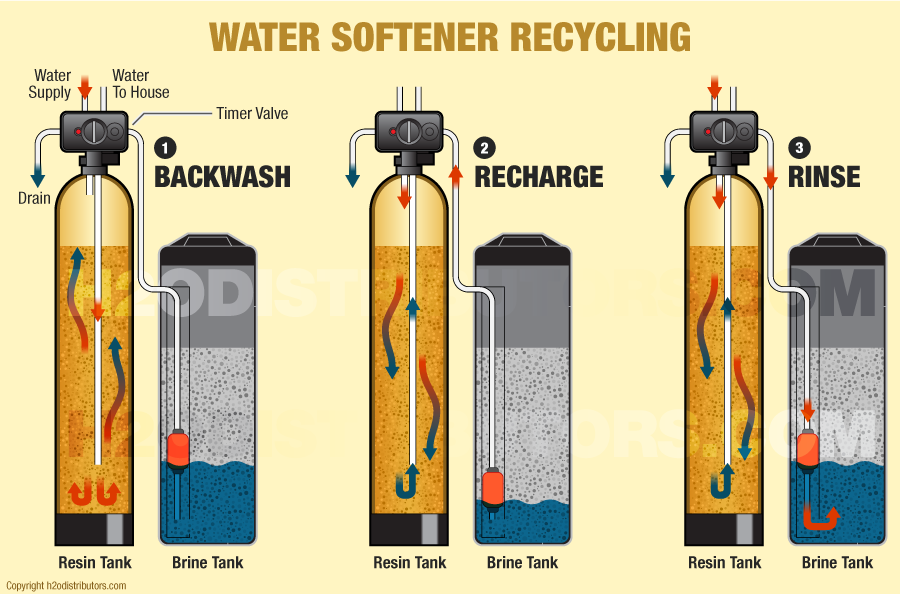
Now, let’s get physical. Pop open the lid of your softener’s brine tank—the one that looks like a short, fat garbage can full of salt. Check the salt level. If you see water sitting on top of dry, crusty salt that looks like a crack, your softener might be “salting” like a sad chef—it can’t do its job without brine. A working system should have a damp, slushy layer of salt, like wet snow on a sidewalk.
Surprising fact: Your softener needs salt to recharge its resin beads, but the salt does not enter your water in a noticeable way—it’s flushed away during regeneration. However, if you see the water level in the tank rising and never dropping, your unit is stuck in a rinse cycle. That’s like a washing machine that never stops spinning. Call a plumber before it demands therapy.
 How to Tell if Water Softener is Working Properly? (Major Signs
The Toilet Tank Trick
Lift the lid off your toilet tank. I know it’s gross, but do it for science. Look at the water inside. If it’s clear and clean, your softener is probably working. Hard water leaves a crusty, rusty ring around the waterline that looks like the remains of a forgotten chemistry experiment. A working softener keeps that water pristine, like a bottled spring, because the minerals aren’t there to form deposits.
Warning: If you see a slimy, colorful film on top of the water, that’s bacteria—not a softener issue. Call an exorcist. Or a plumber. One of them will help.
The Final, Dramatic Check
Go to your garage and listen to the softener. It should regenerate every few days, usually in the dead of night, making a sound like a giant gargling gravel. If it’s silent as a mouse in a library, it might have stopped working. Also look for error codes on the digital display—flashing lights that aren’t disco are bad news.
One last laugh: A survey found that nearly half of all water softeners in the U.S. are, at any given moment, not working. Yours might be in a passive-aggressive strike right now. So run these tests, pour yourself a glass of tea, and if the tea tastes like it was brewed in a mountain stream? Raise a toast to your hardworking softener. If it tastes like chalk dust, start shopping for salt—or a new hobby.
