How Does An Ice Maker In A Refrigerator Work

Hey, let’s talk about something amazing you probably take for granted: your fridge’s ice maker. You know, that little black plastic box that magically drops cubes into your gl...
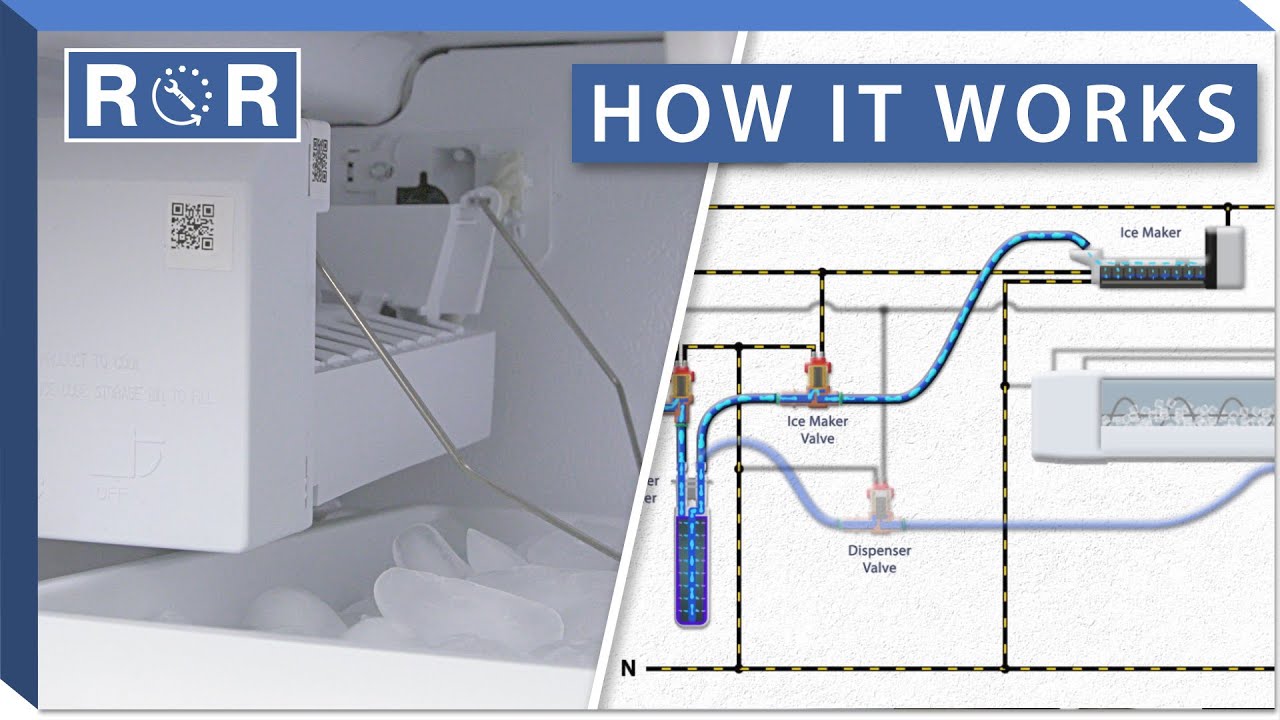
Hey, let’s talk about something amazing you probably take for granted: your fridge’s ice maker. You know, that little black plastic box that magically drops cubes into your glass? Yeah, that thing. It’s not actually magic, but it’s pretty close—and way cooler than you think.
The Big Chill: It All Starts With Water
First, your ice maker needs water. But it’s not just any water—it’s pre-chilled, clean water from your fridge’s supply line. That little copper or plastic tube snakes behind your fridge, tapping into your home’s water pipe. Fancy, right?
When you press the button for ice (or the machine decides it’s time), a tiny solenoid valve opens. Hiss-click—water flows in. Not a flood, just a measured splash. Like a bartender who knows your pour.
Must Read
Freezing: The Waiting Game
Now, the water sits in a metal mold. That mold is cold, like, “touch it and lose a fingerprint” cold. Behind the scenes, your fridge’s compressor pushes refrigerant through coils. The coils get frigid. The mold gets frigid.
Water starts freezing from the outside in. Pure water freezes first, pushing impurities and air bubbles to the center. That’s why some cubes look cloudy in the middle—they’re basically dirty little snowballs inside. But hey, they still cool your drink.
The Big Release: How Cubes Escape
Here’s where it gets clever. Once the timer decides the ice is solid enough (usually after 10–15 minutes), the mold heats up just a little. Yes, heat! A tiny heating element turns on for a few seconds. This melts the ice’s grip on the mold, so the cubes slide out like a greased pig.
A plastic arm then swings down. It pushes the cubes forward, out of the mold, and into a waiting bin. Clatter, clatter, clatter. That sound? It’s success. Music to any party host’s ears.
But Wait—Don’t the Cubes Stick Together?
Ah, the dreaded ice block. Some machines have a small heater or fan in the bin to keep cubes from clumping. Others rely on a little metal rod that vibrates them apart. If your ice is a solid lump in the morning? That means the bin wasn’t full enough to trigger the anti-clump cycle. Or your fridge is just being passive-aggressive.
Newer models even use auger-driven systems—a screw that slowly churns the ice. It’s like a concrete mixer, but for cocktails. Fancy and functional.
 How Does a Refrigerator Ice Maker Work? | A Practical Explanation from
The Control Board: The Brain
All this magic relies on a tiny circuit board. It monitors the mold temperature, water flow, and bin fullness. When the bin is full, a switch or sensor tells the machine to shut up and stop making ice. No cubes overflow. No mess.
Some newer fridges use infrared sensors to measure ice level. Others use a simple mechanical arm that lifts when the bin is packed. If that arm gets stuck? You get a blockade of ice and a sad, empty glass. Classic.
Why Does It Make That Weird Clicking Noise?
That clicking sound is the solenoid valve opening and closing. It’s also the ice arm ratcheting back into place. Basically, your fridge is talking to you. It’s saying, “I’m working, you’re welcome, now stop staring at me.” Respect the click.
If the clicking gets frantic (like a woodpecker on caffeine), you might have a stuck water valve or a frozen supply line. Unplug the fridge, thaw it out, and apologize. It forgives. Eventually.
So, Is It Worth the Hype?
Absolutely. Your ice maker is a miniature factory in your kitchen. It draws water, freezes it precisely, releases it, and stores it—all while you sleep or binge-watch shows. And it never complains about overtime.
Sure, it might sometimes give you that odd cube with a hole in the center. That’s a splash guard mark from the mold design. It’s not broken—it’s character. Like a cartoon character who’s always missing a tooth.
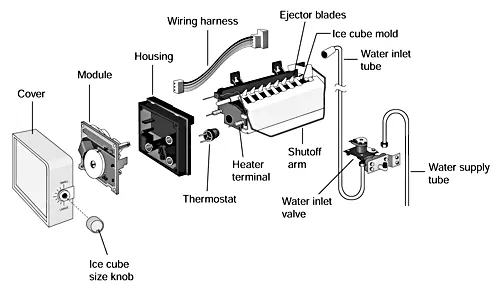 Why is My GE Refrigerator Not Making Ice? Easy Solution
Next time you scoop ice for your soda, give the machine a little nod. It earned that respect. Just don’t talk to it out loud. Unless you’re okay with your fridge thinking you’ve finally lost it.
A Few Tips from Your Friendly Ice Whisperer
Change your water filter every six months. Yes, even if you forgot. Old filters slow water flow and make cloudy ice. Your cubes will taste like “cabinet odor”—not a good flavor.
If your ice tastes weird, clean the bin with a mild soap and water. Avoid bleach or strong cleaners. You want your ice to taste like cold water, not a swimming pool. Trust me on this one.
Also? Don’t store food over the ice bin in the freezer. That bag of peas will sweat, and the water will drip into the ice. Now your iced tea tastes like a vegetarian conspiracy. You’ve been warned.
The Final Cube
So there you have it. Your ice maker uses thermodynamics, plumbing, and a pinch of black magic to serve you. It’s a cold-hearted genius that works 24/7 without pay. All it asks for is a clean filter and a little respect.
Next time you crack open a cold one, raise that glass to the real MVP: the gizmo behind the freezer door. Cheers to the clatter.
