How To Tell If The Water Softener Is Working

Let’s be honest: we don’t spend a lot of time thinking about our water softener. It’s the quiet, hardworking friend in the basement or garage, doing its thing while we go abou...
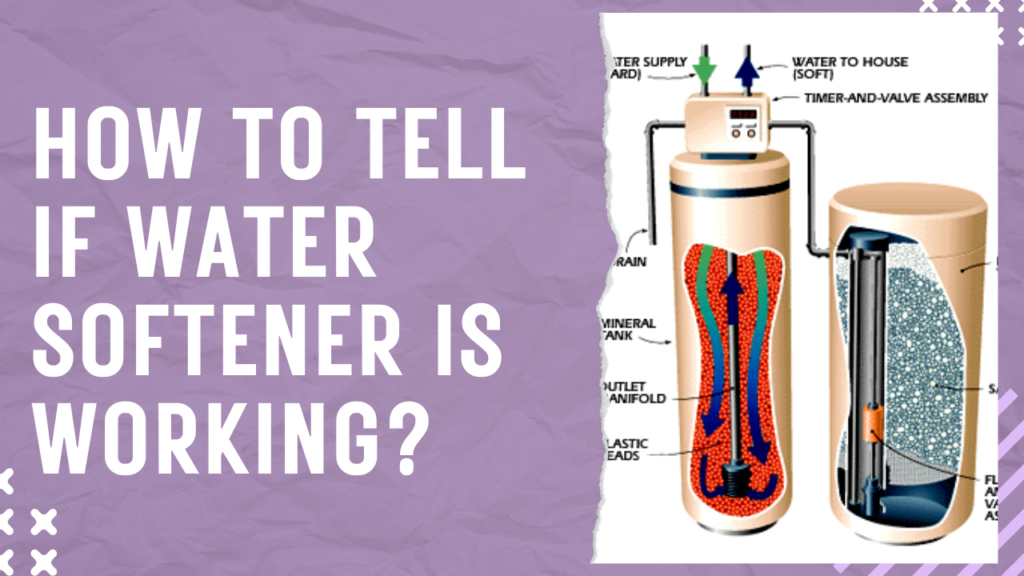
Let’s be honest: we don’t spend a lot of time thinking about our water softener. It’s the quiet, hardworking friend in the basement or garage, doing its thing while we go about our lives. But when it stops working? Oh, you’ll know. The difference between hard water and soft water is less of a whisper and more of a screaming hair static situation. So, how do you tell if the system is actually earning its keep before your shower starts feeling like a sandblaster?
The Soap Slip-Up
The first and most satisfying test is the soap test. With soft water, your soap will lather up into a rich, creamy foam almost immediately. Hard water, on the other hand, fights your soap like a grumpy cat, leaving a thin, filmy residue on your hands.
Take a clear water bottle, fill it halfway with tap water, and add a few drops of liquid soap. Shake it vigorously. If the water turns cloudy and you get thick, fluffy bubbles, you’re golden. If it stays murky with barely any suds? Your softener is likely on a coffee break.
Must Read
The Glassware Glow-Up
Pull a glass from your dishwasher. If it dries with those infuriating white spots or a rainbow sheen, that’s mineral deposit. This is the signature of hard water doing a bad dance on your tableware.
A properly working softener should leave your glasses crystal clear and spotless—like they just came from a spa. If you’re seeing etching or a chalky crust, it’s time to check your salt levels or call for backup. Your wine glasses deserve better.
Quick Tip: The Fingerprint Test
Run your finger over a clean, dry glass. If it squeaks like a balloon animal, that’s hard water residue. Soft water leaves a silky, clean feel with zero squeak. It’s oddly satisfying.
The Skin & Hair Confessional
Your skin and hair are the most honest witnesses. With hard water, you’ll feel a stubborn soap scum clinging to your skin, leaving it tight and dry. Shampoo becomes a chore, and your hair can feel like straw—even using top-tier products.
Soft water gives you that “slip”—a smooth, almost slippery feeling on your skin after rinsing. Your hair will feel softer, your soap will rinse off completely, and you’ll use less lotion. If you’re suddenly battling dry patches, your softener might be the culprit.
Fun fact: Hard water binds with soap to create a sticky film that can even clog your pores. It’s the uninvited guest at your skincare party.
The Faucet & Fixture Forensics
Look at your kitchen faucet and showerhead. If they’re developing white or crusty buildup around the base and nozzles, that’s calcium and magnesium scale. A working softener prevents this entirely.
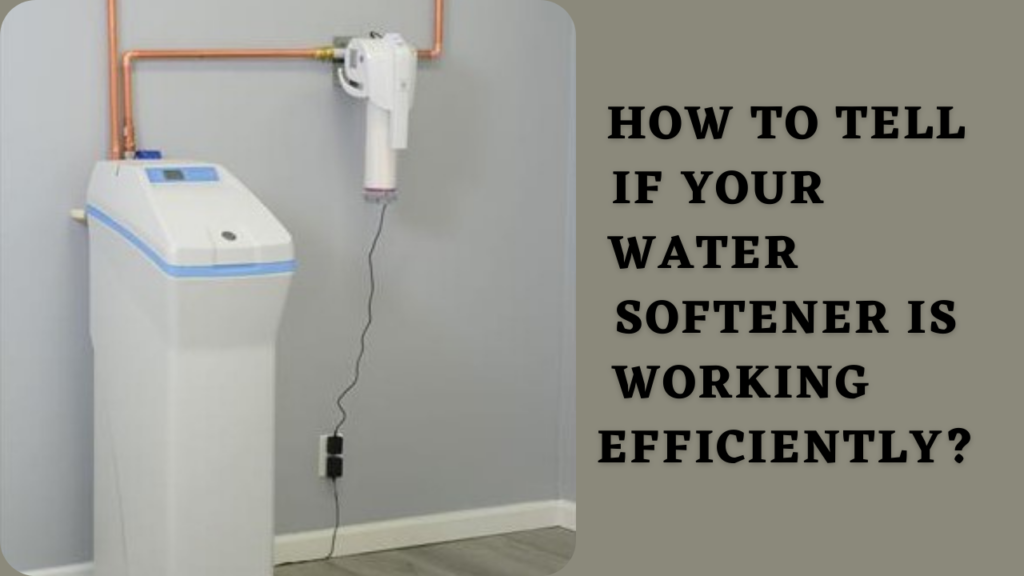 How To Tell If Your Water Softener Is Working Efficiently? (Easy to
Inspect your shower doors, too. Cloudy white films that won’t scrub off are a dead giveaway. A functioning system keeps your fixtures shining like a mid-century modern dream house—no vinegar soaking required.
Pro Tip: The Water Pressure Check
Scale can slowly clog your pipes and fixtures. If you notice a sudden drop in water pressure, especially in the shower, scale buildup might be choking your system. This is a subtle but serious red flag.
The Salt & Regeneration Ritual
Your water softener needs salt to regenerate—it’s its fuel. Open the brine tank and check the salt level. If it’s below the water line, or if you see a solid salt bridge (a hard crust on top), the system can’t do its job.
A simple test: tap the side of the tank. If it sounds hollow or you see a crusty layer, break it up with a broom handle. Most systems regenerate on a timer, so missing a cycle means you’re back to hard water within days.
Cultural reference: Think of it like your Nespresso machine running out of pods. The machine is there, but the magic is gone.
The “Mystery” of Soft Water Behavior
Sometimes, you’ll notice a weird, slippery feeling on your hands after washing. Don’t panic—this is actually a good sign! That slipperiness means the softener has removed the minerals, and your soap is working freely.
Many people mistake this for “soap not rinsing off.” It’s the opposite. You’re now feeling the true texture of clean water. It takes a week or two to get used to, but once you do, hard water feels like sandpaper.
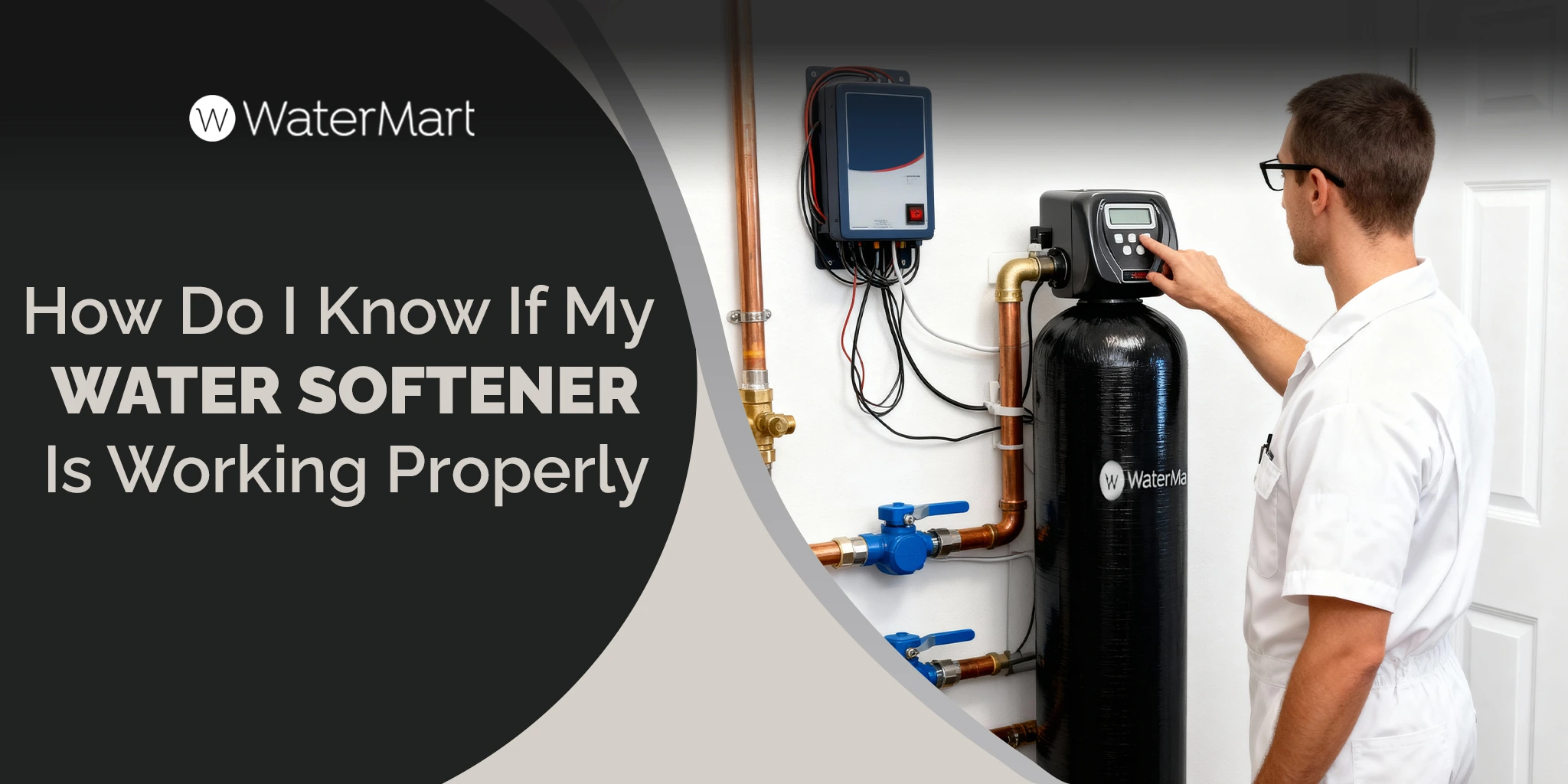 How do I know if my water softener is working properly?
The Water Hardness Test Kit (For the Data Nerds)
If you want hard proof (pun intended), buy a simple water hardness test kit from any hardware store. It costs about ten dollars. Fill a vial, add a drop of liquid, and watch for a color change.
Soft water should show 0–1 grains per gallon (gpg). If you’re seeing 5 gpg or higher, your softener is either broken, bypassed, or undersized. This is the definitive answer—no more guessing.
Fun fact: The average American household has water hardness between 7–10 gpg. That’s enough scale to fill a coffee mug every year from your own pipes.
When to Call the Pro (The Final Frontier)
If you’ve checked everything—salt, levels, bubbles, and still have spotting—your softener might have a mechanical issue. The control valve could be stuck, or the resin beads may be exhausted.
Check if your system is using a timer or a meter. Meter-based systems are smarter but can fail if the sensor gets dirty. If you notice brine water in your tank that smells like rotten eggs, you could have bacteria—a serious issue.
Most softener problems are fixable with a simple reset or clean. But if you’re doing the “soap shake test” and getting murky water three weeks in a row? Ring up a professional. Your plumbing will thank you.
Reflection: The Quiet Luxury
A working water softener is a silent luxury. You don’t notice it until it’s gone—like good wifi or a functioning dishwasher. But the payoff is real: softer laundry, cleaner dishes, healthier skin, and plumbing that lasts longer.
Next time you step out of a shower and your skin feels silky, take a second to appreciate that little machine in the corner. It’s not glamorous, but it’s making your life genuinely better—one spotless glass at a time. And honestly, isn’t that the best kind of magic?
