How To Find A Water Leak Under A Tiled Floor

So, You’ve Got a Phantom Lake Under Your Feet There’s nothing quite like the sinking feeling you get when you notice a weird, warm patch on your otherwise cool kitchen tile. I...
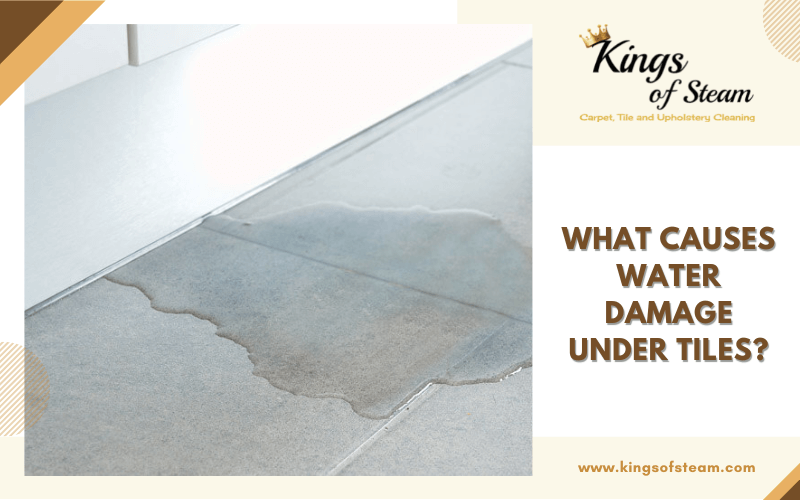
So, You’ve Got a Phantom Lake Under Your Feet
There’s nothing quite like the sinking feeling you get when you notice a weird, warm patch on your otherwise cool kitchen tile. It’s like your floor decided to develop a fever, and not the good kind. You start checking the dog’s water bowl, the kids’ spilled juice, and whether your neighbor’s pool is somehow leaking into your foundation. Nope. The culprit is almost certainly a tiny, invisible leak, and it’s having a secret party under your beautifully tiled fortress.
Don’t panic. Finding a water leak under tile isn’t about becoming a plumber; it’s about becoming a detective with a very soggy case. Think of it as a low-stakes mystery where the only prize is saving your subfloor from turning into a sad, moldy sponge. Let’s walk through this together, one careful, squishy step at a time.
The First Clue: Your Floor’s Unspoken Language
Before you start ripping up tiles like a contestant on a home improvement gameshow, become an observer. Your floor will tell you its secrets if you listen. The biggest giveaway is warmth—if you have in-floor heating, a leak will create a suspiciously toasty “hot spot” that feels like the floor version of a feverish forehead.
Must Read
Next, look for grout that’s darker or slightly damp in one specific area. It’ll look like a permanent coffee stain that refuses to scrub out. And if you feel a slight “give” under your foot, like walking on a marshmallow that’s lost its nerve, that’s a sign the subfloor below is getting a very unwanted bath.
If your water bill has suddenly doubled for no reason—say, you didn’t suddenly start hosting a synchronized swimming team—that’s your wallet screaming for help. Combine that with a weird warm spot, and you’ve got a case that Sherlock Holmes would call “elementarily frustrating.”
The Shut-Off Valve: Your New Best Friend
Here’s the part that feels like you’re being a responsible adult, but it’s honestly just common sense. Go find your main water shut-off valve. It’s usually near the street, in the garage, or behind a panel that’s been painted over seven times by previous owners. Turn it off completely.
Now, turn on every faucet in the house—kitchen, bathroom, even the outdoor spigot—until the water stops running. This drains the system and removes the pressure. It’s like letting the air out of a balloon before trying to find the hole. Once the pipes are empty, the leak’s drama queen behavior stops, and it becomes easier to locate.
If the wet patch stops growing after you’ve shut things down, you’ve confirmed the leak is from a pipe. If it keeps spreading, you might be dealing with something sillier, like a cracked slab from a foundation troll, but that’s a different (and worse) story. For now, assume you’re a pipe detective.
 What Causes Slab Leaks in Florida? - AM Florida Builders
The Towel Test and The Listening Game
Grab a few old towels—the ones that have seen better days and are already stained with spaghetti sauce. Lay them flat over the suspicious wet area. Press down gently. Do they soak up moisture quickly? Good. That tells you the leak is active and close to the surface.
Now, get down on your hands and knees. I know you feel ridiculous, but this is the important part. Put your ear to the floor like you’re waiting for a tiny mole to whisper its location. You’re listening for a faint hissing or dripping sound. It’s the sound of your water bill slowly turning into a horror movie soundtrack. If the leak is under a loose tile, you might hear a faint “plink” like a leaky faucet in a cartoon.
If you can’t hear anything, don’t give up. Grab a mechanic’s stethoscope—yes, they’re real and cheap—and press it against the tile. It amplifies the noise. Suddenly, you’re not a homeowner; you’re a submarine sonar operator hunting for a soggy enemy.
The “Sneaky Seams” and Grout Gumshoe Method
Most floor leaks don’t hide in the middle of a perfect tile. They’re cowards. They love seams, expansion joints, and edges where the tile meets the wall or a bathtub. Run your fingers along the grout lines—if they feel unusually soft or crumbly, that’s water softening the cement. It’s like the grout is whispering, “I’ve had enough.”
Look for tiny hairline cracks in the tile itself. A leak can travel through these cracks like a gossip through a small town. If you see a crack that seems to line up perfectly with a damp patch, you’ve found the gossip’s source. Mark it with a piece of tape—don’t try to seal it yet, you’ll just trap the water.
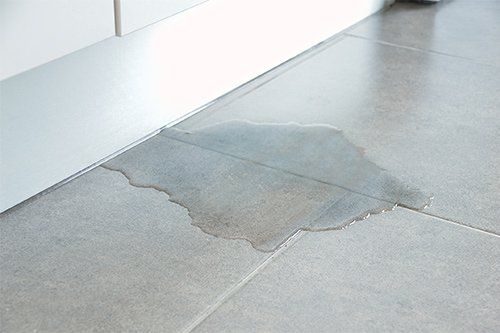 Water Leak Under Kitchen Floor Tiles – Flooring Ideas
And here’s a pro trick: shine a flashlight at a low angle across the floor at night. Water creates a subtle sheen or reflection that dry tile won’t. It’s like seeing a ghost in a mirror. Follow the sheen, and you’ll find the source.
The Moment of Truth: The DIY “Surgery”
Okay, you’ve found the area. It’s almost certainly one tile that’s the ringleader. Now you need to remove that tile. This is the part where you channel your inner barbarian but with surgical precision. Use a grout saw to cut around the tile, then a chisel and hammer to break it out. Wear goggles—tile fragments fly like tiny, sharp ninjas.
Once the tile is gone, you’ll see the leak. It might be a pinhole in a copper pipe, a loose fitting, or a cracked pvc joint. Patch it with a pipe repair clamp for metal, or cut and replace a section of pvc with a coupling. If you don’t feel confident, call a plumber. There’s no shame in admitting your floor fought back and won.
After the repair, leave the area exposed for a few days to dry out completely. Use a fan or a dehumidifier. Then replace the tile with a matching one, re-grout it, and pat yourself on the back. You’ve just performed a floorsurrection.
The Happy Ending: A Dry Floor and a Good Story
Now, every time you walk over that spot, you’ll remember the time you turned into a bathroom detective. Sure, you might have a “franken-tile” that’s slightly different from the rest, but that’s not a flaw—it’s a battle scar. You won.
And next time your water bill spikes, you’ll know exactly what to do. You’ll grab a towel, press an ear to the floor, and whisper, “Not today, you sneaky little leak.” It’s the kind of confidence that only comes from having survived a domestic crisis with a little bit of sweat and a lot of towels. Now go enjoy a dry floor—preferably while barefoot, just to remind yourself who’s boss.
