What Does A Reverse Osmosis Water Filter Do

So, you’ve heard of a reverse osmosis water filter, and you’re wondering if it’s just fancy plumbing jargon or actually something cool. Let me break it down for you like we’re...
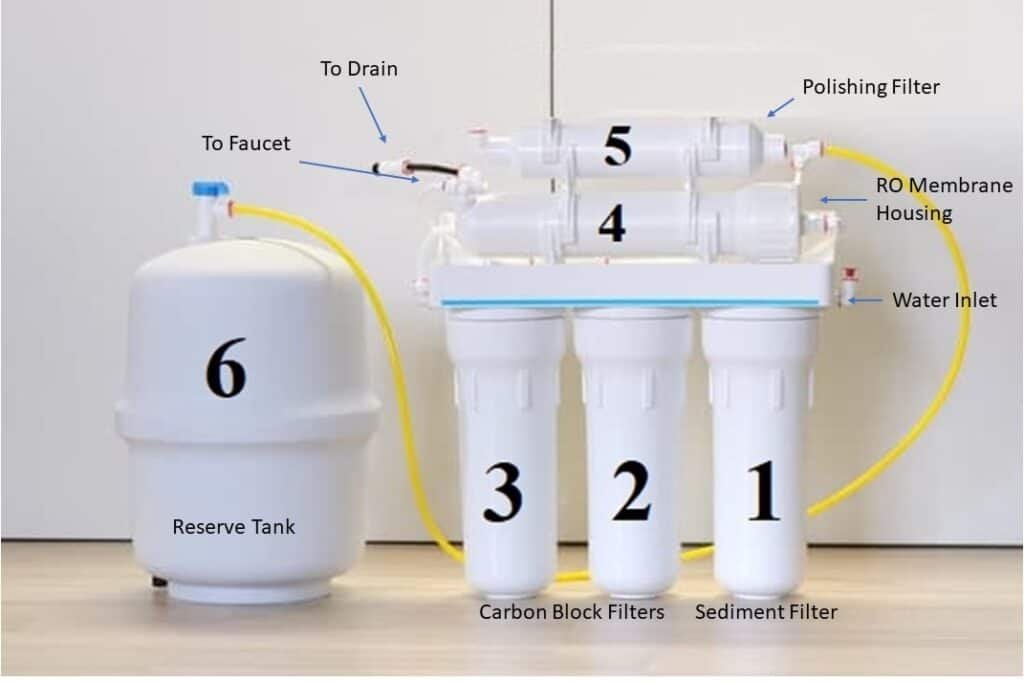
So, you’ve heard of a reverse osmosis water filter, and you’re wondering if it’s just fancy plumbing jargon or actually something cool. Let me break it down for you like we’re chatting over a glass of—well, perfectly filtered water. Think of reverse osmosis as the ultimate bouncer for your water supply.
Imagine you’re at a VIP party in your kitchen sink. The door guy—our reverse osmosis system—only lets in the H2O molecules and kicks out the riffraff: lead, chlorine, pesticides, and even those tiny particles you can’t see. It’s like a microscopic velvet rope.
How does this magic actually work?
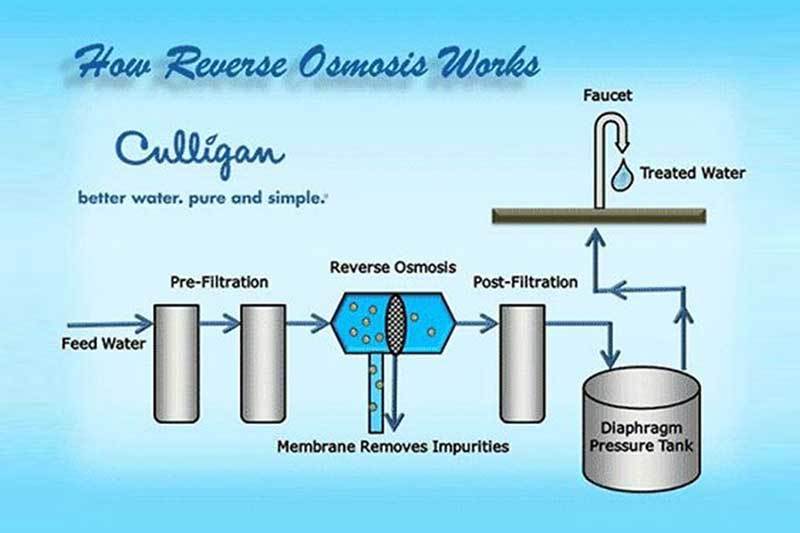
Let’s get a little science-y, but only as much as your brain can handle during a snack break. Reverse osmosis uses a super-fine membrane, thinner than a human hair, to push water through under pressure.
Must Read
Think of it like squeezing a water balloon through a colander—except the water goes clean, and all the gunk stays behind. The “reverse” part? Normally water wants to equalize, but here we force it to go from dirty to clean, like convincing a cat to take a bath.
It’s not exactly magic—it’s engineering with a sense of humor. But the result feels magical: water that tastes like nothing, because it’s stripped of everything weird.
What’s left out of the glass?
Pretty much everything you don’t want: fluoride, arsenic, nitrates, and even some bacteria. It’s like your water went through a spa detox and came out glowing.
But here’s the punchline: reverse osmosis also removes some good stuff, like minerals. Don’t panic—you get those from food. Your water isn’t your calcium supplement, silly.
Some systems add minerals back in, just to make you feel fancier. It’s like putting a bow tie on a water bottle.
What does it taste like?
Honestly? Nothing. And that’s the point. You know that “clean” taste from store-bought water? That’s reverse osmosis in action. It’s so pure, it’s almost suspicious.
Your first sip might make you go, “Is this… blank?” Yes. And it’s glorious. No more weird tap-water aftertaste, no metallic twang from pipes—just silence on your tongue.
It’s like the water version of a white noise machine—refreshingly uneventful.
Wait, does it waste water?
Okay, fine, you caught me. Reverse osmosis does waste some water—usually 3 to 4 gallons for every gallon it filters. Yikes, right?
 How Does A Water Filtration System Work
But modern systems are getting better, and that “waste” water can go to your plants or lawn. So your garden gets a drink while your kitchen gets the VIP treatment. It’s a win-win-green-thumb situation.
Just don’t use the waste water for your cat. Unless you want a very confused, slightly damp cat.
Is it easy to install?
If you’re handy with a wrench and love reading instructions (which is basically everyone’s favorite hobby—not), you can DIY it. Most kits come with a step-by-step guide that’s only slightly more confusing than IKEA furniture.
But hey, if you’d rather not play plumber, hire a pro. It’s worth the peace of mind. One wrong twist and your kitchen turns into a slip-and-slide.
Once it’s set up, it’s basically a quiet superhero under your sink, fighting the villain of bad water. You’ll forget it’s there until you take a glorious gulp.
What about cost?
Let’s talk money—the boring part. A good reverse osmosis system can run you $150 to $600. Filters need changing every 6-12 months, costing about $50-100 a year.
But compare that to buying bottled water forever? You’ll save cash and keep plastic out of the ocean. Plus, you feel like a rich person who owns a water empire.
And no more carrying heavy bottles from the store. Your back will thank you with fewer groans.
So, who needs this thing?
If your tap water tastes like a swimming pool or smells like a chemistry set, yes, you do. If you live somewhere with hard water, old pipes, or sketchy well water, double yes.
 Reverse Osmosis (RO) | Water Filter Bali
Or if you’re just a water snob (I say that with love) who wants that crisp, clean taste every sip. Why not? You deserve hydration that doesn’t come with side of yuck.
Even your pet’s water bowl will get an upgrade. Fido will lap it up with newfound dignity.
Any downsides (besides the waste water)?
It takes up space under your sink. If your cabinet is already a circus of sponges and cleaning supplies, you might need to Tetris things around.
Also, it’s slow. You won’t get a firehose—more like a steady drip of purity. But unless you’re trying to fill a pool for a tea party, it’s fine.
Patience, young grasshopper. Good water comes to those who wait.
And there you have it—the inside scoop on reverse osmosis. It’s not just a filter; it’s a gift to your taste buds, a middle finger to contaminants, and a little miracle that fits under your sink.
So go ahead, stare at your tap with newfound suspicion. Then get yourself a reverse osmosis system. Your water will be so clean, it’ll make rain seem dirty in comparison.
And here’s your uplifting conclusion: Every time you pour a glass of that crystal-clear water, remember—you’re not just hydrating. You’re celebrating a tiny victory over chaos. You’re the boss of your own H2O. Sip proudly, my friend. Your insides never tasted so good.
Now go drink something awesome. You’ve earned it.
