How Much Water Am I Supposed To Drink A Day

Let’s be honest: the whole “eight glasses a day” thing has been drilled into our brains like a pop song we never asked for. It’s the default answer at dinner parties, the guil...

Let’s be honest: the whole “eight glasses a day” thing has been drilled into our brains like a pop song we never asked for. It’s the default answer at dinner parties, the guilt-trip whisper from your reusable bottle. But is it actually true? Or just another wellness myth that needs a gentle reality check?
The short, slightly infuriating answer is this: there is no magic number. Your perfect water intake is as unique as your Spotify algorithm, shifting with your body, your day, and your environment. That old eight-by-eight rule? It came from a 1945 guideline that said we need about 2.5 liters of water daily—but conveniently forgot to mention that most of that comes from the food we eat.
What the Science Actually Says
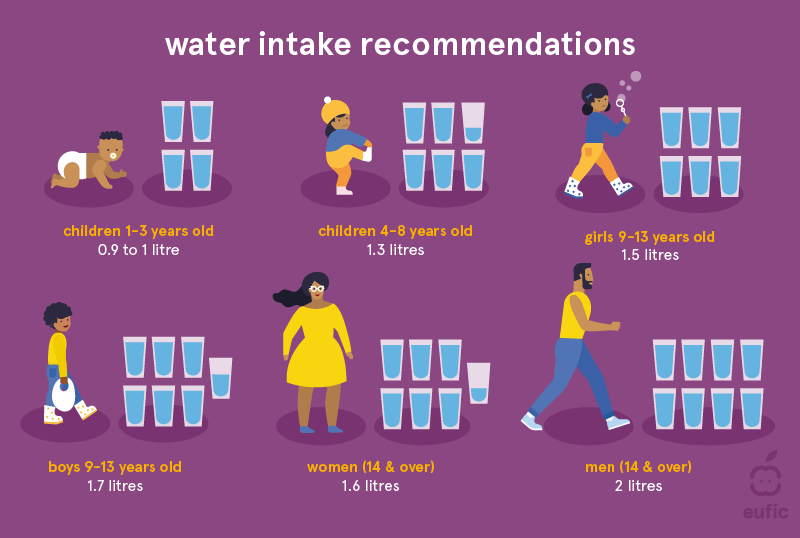
The National Academies of Sciences, Engineering, and Medicine offers a more realistic baseline: roughly 3.7 liters for men and 2.7 liters for women per day. That includes water from coffee, tea, fruit, soup, and even that sneaky cucumber. So no, you don’t need to channel a human fire hydrant.
Must Read
Here’s the fun part: your body is a master communicator. It sends signals like dry lips, a headache that feels like a gentle anvil, or the classic “I’m tired for no reason.” And the most underrated clue? The color of your pee. Pale straw? You’re golden. Dark like apple juice? Time to hydrate, friend.
The Cultural Cheat Sheet
[Replace this with a water bottle illustration or emoji, as your medium allows] In Japan, people sip koi (room-temperature water) in small amounts throughout the day, believing it aids digestion. Meanwhile, the average Brit drinks 1.5 liters of tea daily—and counts it. Cultural norms matter, and so does common sense.
Think of water like a good playlist: you need variety, not a single loud track. Herbal teas, sparkling water with lemon, watermelon slices, or even a bowl of broth all count. The goal is total fluid intake, not a chore list.
Practical Tips That Actually Stick
Tip one: Ditch the giant gallon jug. It’s intimidating, heavy, and screams “I’m trying too hard.” Instead, grab a 500 ml bottle and refill it three times. That’s 1.5 liters—a solid start—and it fits in your bag.
 How Much Water Should You Drink A Day How Much Water Should You Drink
Tip two: Attach water to habits you already do. Drink a glass after your morning coffee. Sip while waiting for your takeout order. Every time you unlock your phone, take a sip. It’s a low-friction game, not a test of willpower.
Tip three: Add a pinch of salt or a squeeze of citrus to your water. Electrolytes aren’t just for marathon runners. If you’re active, sweating, or live in a hot climate, plain water might not be enough. A tiny bit of sea salt or a slice of orange makes it taste better and helps your cells absorb H2O.
Fun Fact Break
Did you know that by the time you feel thirsty, you’re already about 1-2% dehydrated? That’s the body’s early alarm system. Also, your brain is roughly 73% water, which explains why foggy thinking lifts after a glass. Grab that bottle, genius.
Another one: cucumber is 96% water, watermelon is 92%, and lettuce is a whopping 95%. So yes, a salad lunch is a hydration hack. Eat your water, as the wellness crowd loves to say.
When You Actually Need More
Certain days demand extra: after a sweaty workout, on a plane (that cabin air is brutal), during illness with fever or stomach issues, or if you’ve had a few glasses of wine. Alcohol is a diuretic—it pulls water out. The classic hangover is mostly dehydration and electrolyte imbalance.
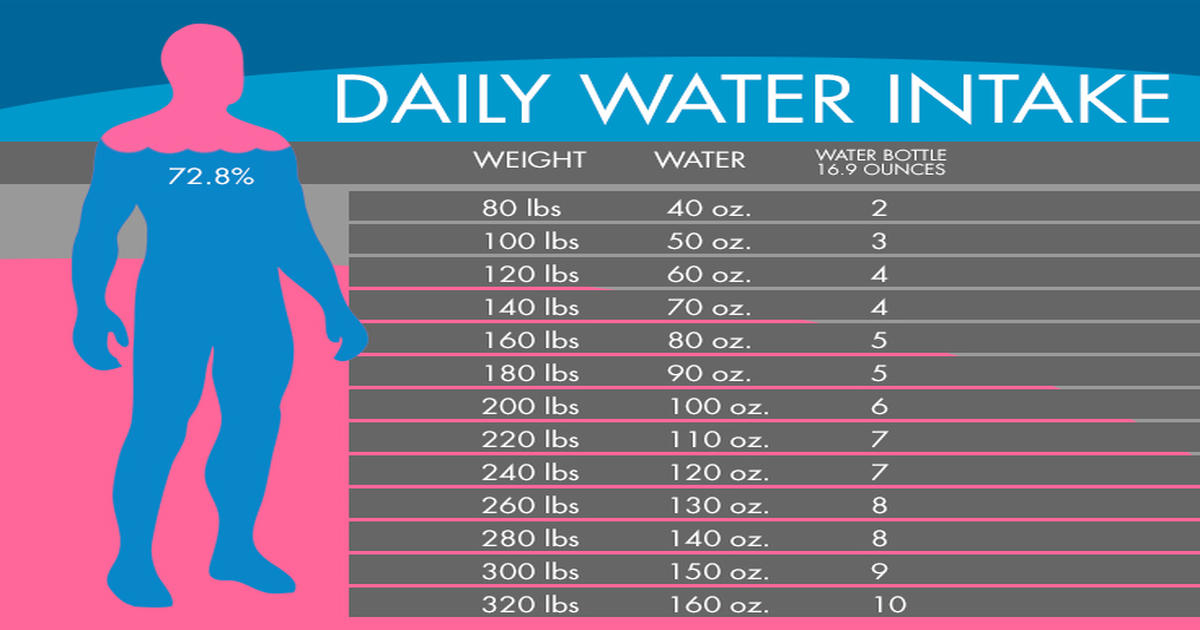 How Much Water Do We Need To Drink, According To Our Weight?
Pregnant and breastfeeding women also need a bump, about 1-1.5 liters more daily. Listen to your body, not the internet doctor who tells you to drink glow worms. Your doctor? They’re your best source for personal advice.
The Golden Rule
Here’s the simplest litmus test: drink when you’re thirsty, and drink enough that you rarely feel parched. That’s it. Your body evolved over millions of years to regulate water—trust its signals. Over-hydrating (hyponatremia) is rare but real, and it usually happens during extreme endurance events.
So put down the guilt. You don’t need to track ounces with spreadsheet precision. You just need to check in with yourself. As your grandmother might say: “If your body’s happy, you’re doing fine.” She wasn’t a scientist, but she was onto something.
A Short Reflection for Your Daily Life
Think of water as the bassline of your day—quiet, steady, easy to forget, but absolutely essential to the rhythm. A few sips here, a glass there, a juicy apple for dessert. It’s not a chore; it’s a quiet act of self-respect.
Next time you fill your cup, pause for a second. Notice the cool weight in your hand. That’s not just water. That’s the same stuff that carves canyons, floats clouds, and keeps your skin soft. You are basically a walking river, and rivers don’t need a schedule to flow.
