Why Is My Cold Water Brown All Of A Sudden

Okay, let’s be real. You turned on the tap, expecting a crystal-clear, refreshing stream. Instead, you got something that looks like it swam out of a mud wrestling pit. Brown...

Okay, let’s be real. You turned on the tap, expecting a crystal-clear, refreshing stream. Instead, you got something that looks like it swam out of a mud wrestling pit.
Brown cold water. Out of nowhere. It’s the kind of surprise that makes you do a double-take, followed by a full-body shudder. Don’t panic—I’m here to chat you through this like we’re sitting at a coffee shop, and I’ve already had two cups of the good stuff.
The “Is My House Falling Apart?” Panic
First things first: take a deep breath. Brown water is rarely a sign your house is crumbling into dust. It’s usually a temporary visitor, like that friend who crashes on your couch after a concert.
Must Read
But why now? And why is it cold water specifically? Hot water has its own demons (rusty water heater, anyone?), but cold water is the system’s main artery.
Let’s rule out the worst-case scenario so we can laugh about it later: No, it’s not toxic sludge from a sewer line. Unless there’s a very dramatic infrastructure failure, you’re safe to keep reading.
The Usual Suspect: Fire Hydrants and Water Mains
Here’s the most common reason your cold water suddenly looks like iced tea: the city is flushing hydrants or fixing a broken water main. This is basically the municipal version of shaking a bottle of sediment that’s been sitting at the bottom of the pipe for years.
When they turn the water back on, that rust and mineral buildup get stirred up. And guess where it goes first? Right into your kitchen sink. It’s gross, but it’s usually harmless—just iron and manganese.
Pro tip: check with your neighbors. If their water looks like a swamp, you’ve solved the mystery. If it’s just you? Keep reading, Sherlock.
What About Your Own Pipes?
If the neighborhood is fine, the culprit might be your plumbing. Old galvanized steel pipes can rust from the inside out. When they do, tiny flakes break off and float right into your glass.
 Why is My Water Brown? (All of a Sudden!) | Drinking Water Base
But why sudden? Did you recently remodel? Install a new water softener? Even turning the main water valve off and back on can knock years of crud loose. It’s like waking up a dragon by accident.
Here’s a test: let the cold water run for five minutes. If it clears up, you’re good. If it stays brown, you might have a bigger issue—like a pipe that’s literally corroding.
The Hot Water Heater Fooled You
Wait, I said this was about cold water, but let’s get sneaky. Sometimes your hot water heater has a rusted-out anode rod, and that sediment sneaks into the cold line through a cross-connection. Yes, that’s a real thing.
Or, your water heater might be dying. If the brown water smells like rotten eggs, that’s sulfur bacteria—not your emergency. But still, run the water for a while and see if the smell disappears.
Bottom line: if the brown only shows up when you use hot water, your heater is the drama queen. If it’s only cold water, it’s almost always from the city or your main pipe.
When To Actually Worry (Spoiler: Rarely)
Here’s the thing: your water company is required to test for contaminants. Brown water from rust is usually not a health hazard. It just looks and tastes like you’re drinking from a puddle.
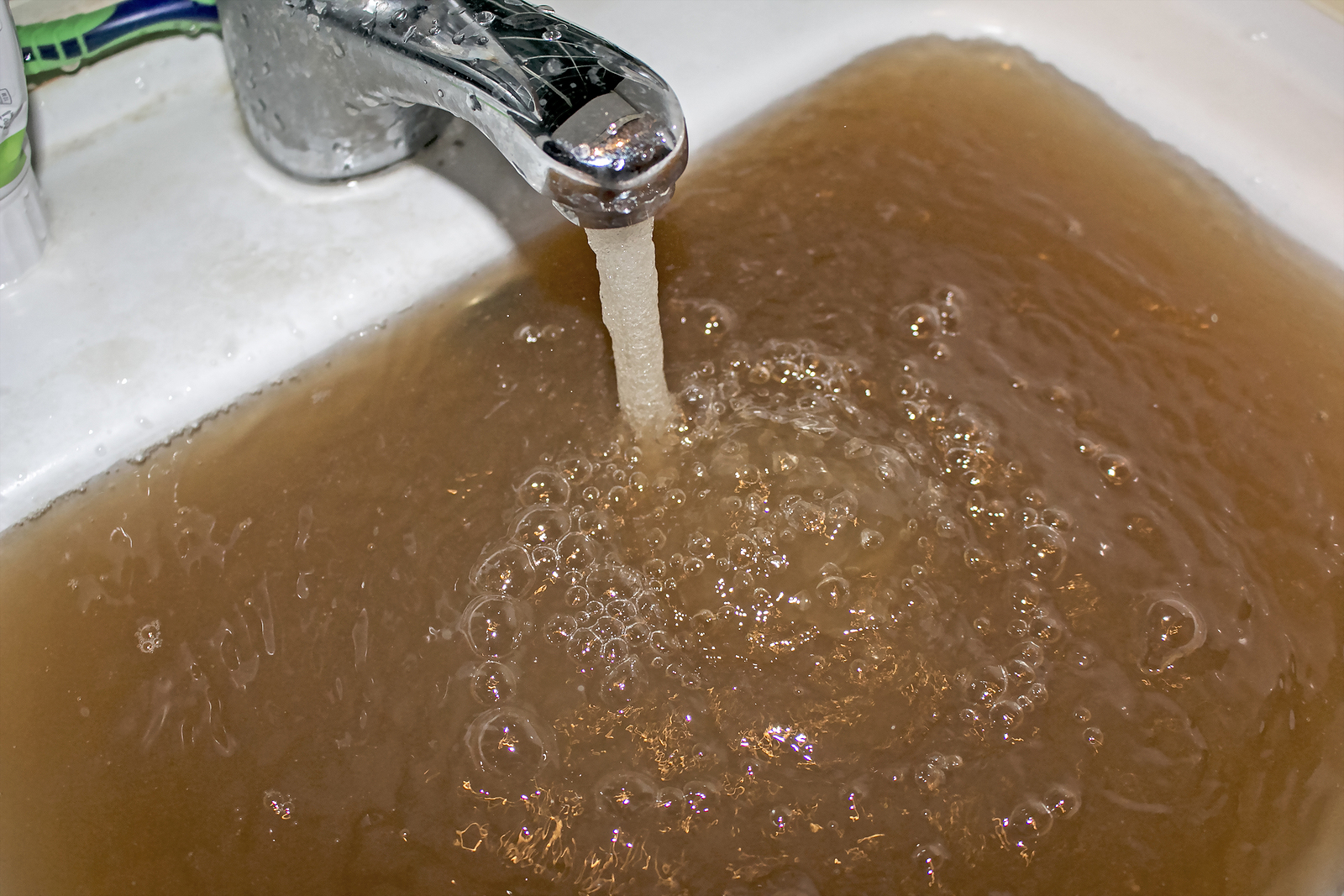 What To Do When Your Water Is Discolored I Rick’s Plumbing
But if it’s black or smells like fuel, call a plumber immediately. That could be broken sewer lines or chemical spills. Also, if you have well water, skip all this—you might need a new filter or a pump issue.
For everyone else: give it 24 hours. Flush your pipes. Run a load of laundry (on cold, obviously) to clear the line. If it doesn’t fix itself, call your water utility and ask: “Hey, did you flush a hydrant? Because I’m drinking your mud, and I’d like a refund.”
The Unofficial Fix: Patience and a Filter
So here’s your action plan, coffee-chat style. Step one: don’t drink it. Step two: run the cold water for five to ten minutes from the lowest tap in the house—usually the basement or an outdoor spigot. This flushes the dirty water out of your system.
Step three: fill a glass. If it’s clear, congrats! You’ve survived a minor plumbing apocalypse. If it’s still brown, call a plumber or your city’s water department. They might send someone out for free.
And hey, look on the bright side: at least it’s cold brown water. Imagine having to boil that stuff for a shower. Now that would be a real tragedy.
So go on. Flush that pipe. Make a joke about “artisanal mineral water.” And if your friend asks why your eye is twitching—tell them you’re just fine, but your sink had a crisis. We all do sometimes.
