Does Bottled Water Have An Expiration Date

You know that feeling. You’re cleaning out the pantry, or maybe you’re digging to the back of your car’s trunk. You find a half-crushed bottle of water from a road trip two su...
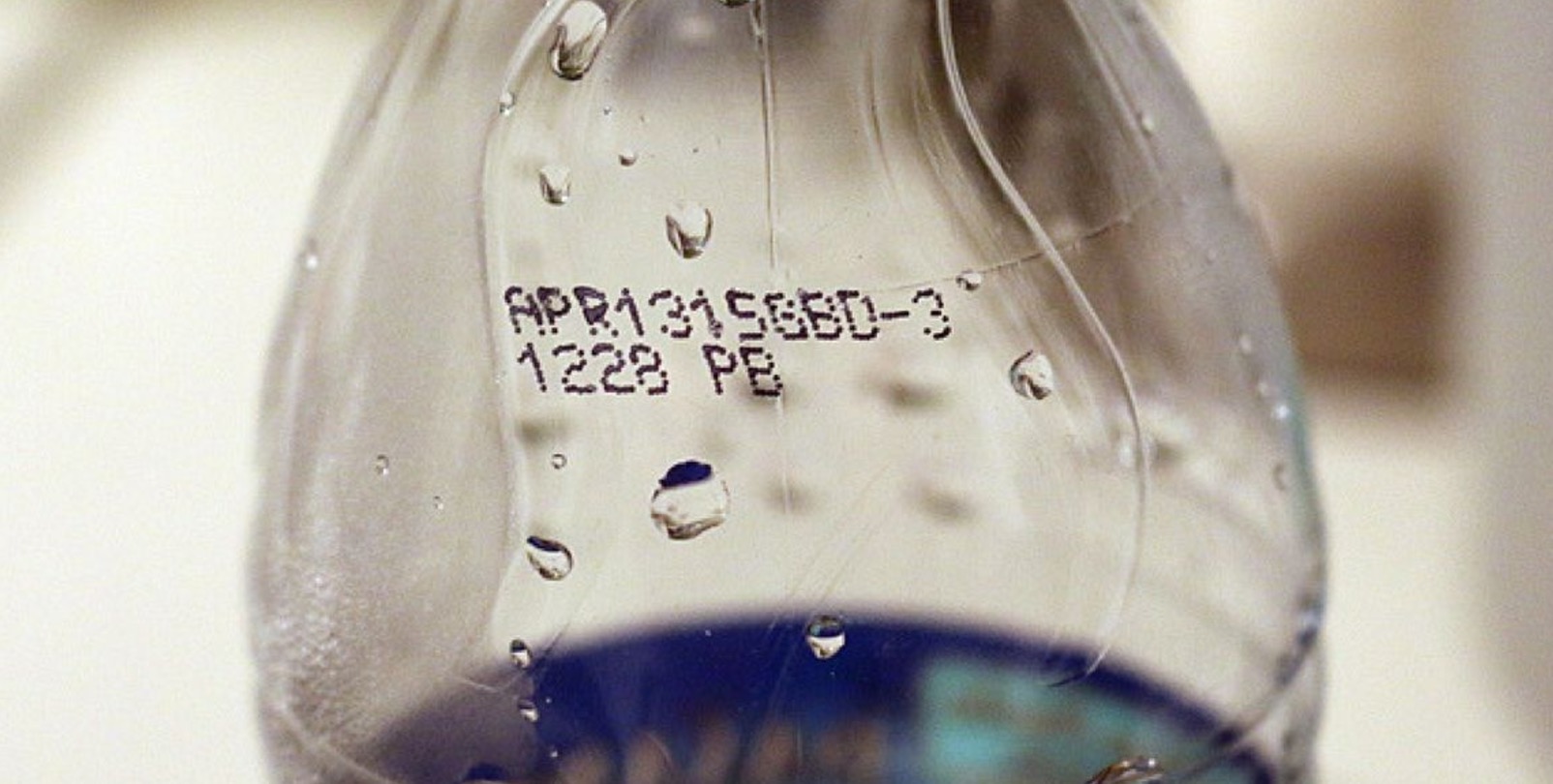
You know that feeling. You’re cleaning out the pantry, or maybe you’re digging to the back of your car’s trunk. You find a half-crushed bottle of water from a road trip two summers ago. The label is a little faded. Your brain whispers, Is this still okay? You look at the plastic bottle like it might have grown a tiny beard.
Let’s be honest: we’ve all sniffed a bottle of tap water before, and it didn’t smell like anything. But a factory-sealed plastic bottle? That feels different. It has a date stamped on it, so it must be dangerous, right?
Well, here’s the happy truth: water itself does not expire. Water is H2O. It doesn’t rot. It doesn’t go moldy. A glass of water from a dinosaur’s puddle is technically the same stuff you’re drinking today. So why does the bottle have a date at all?
Must Read
The Real Culprit Isn’t the Water
It’s the bottle. That flimsy plastic container is the weak link. Over time, especially if your car gets hot enough to bake cookies on the dashboard, chemicals from the plastic can leach into the water. It’s called leaching, and it sounds as gross as it is.
You’ve tasted it before, I bet. That weird, plasticky, fake-flavored water? Yeah. That’s not the water. That’s your bottle having a tiny identity crisis. It’s like drinking from a melted garden hose.
So the expiration date is really a “flavor freshness” date. The water itself is fine, but after a year or two in a warm garage, it starts to taste like a pool toy. Nobody wants to sip on a pool toy.
What About the “Bad Stuff”?
Health-wise, you’re probably fine. The FDA doesn’t require expiration dates on bottled water, but many companies add them anyway. Why? Marketing. It makes the product look fresh and premium. It’s the same reason your fancy olive oil has a date—it makes you feel like a connoisseur.
 Why Does My Water Bottle Have An Expiration Date? Explained!
Unless you’re storing your water next to a leaky battery or in a lab with toxic fumes, the water is safe. The biggest risk? Algae or bacteria can grow if the seal is broken. But if the cap is still tight? You’re golden. Or, you know, clear.
And here’s a funny comparison: bottled water is like a teddy bear. It looks comforting, it’s supposed to be clean, but if you leave it in the mud for a year, it’s going to be gross. The teddy bear doesn’t expire—it just gets grimy. Same with your water bottle.
The Real Panic Is in Your Car
Let me paint a picture. It’s August. You’re running late. You grab that single bottle of water that’s been living under your passenger seat since February. You open it, and it’s warm. Warm plastic water. That’s the real horror movie.
That warm water tastes like regret, but it’s not expired. It’s just emotional damage in liquid form. I once drank a bottle that had “Best By 2019” on it. I’m still typing this, so I’m fine. It just tasted like a slightly angry cloud.
If you’re worried, do the smell test. If it smells like your kitchen sink after a long weekend, toss it. If it smells like nothing, you’re good. Your nose is smarter than your calendar.
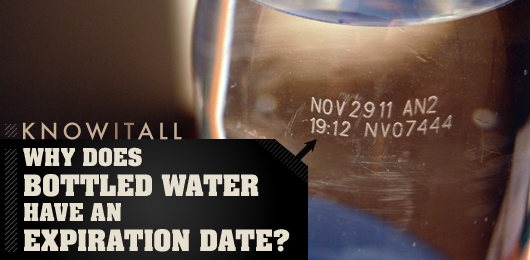 Know It All: Why Does Bottled Water Have an Expiration Date? · Primer
The One Exception
Bottled sparkling water is a diva. That carbon dioxide is a party guest that wants to leave. An old sparkling water will taste flat—flat like a bad joke. The water is still fine, but the experience is ruined. That’s not expiration; that’s just disappointment.
And infused waters or those with fruit flavors? Those can go bad. Natural flavors break down. A three-year-old lemon water might taste like a soggy vitamin. Your taste buds will beg you to stop.
So, What’s the Bottom Line?
Drink the old bottle. Don’t be a hero about it, but don’t panic. The expiration date is a suggestion for freshness, not a health hazard warning. It’s like the “use by” date on a bag of chips: mostly a suggestion for the anxious.
If the bottle is bloated like a pufferfish, or if it’s been sitting in direct sunlight for three summers, maybe give it a pass. Otherwise, crack it open. You’ll survive. And you’ll save yourself a trip to the store.
In the end, our fear of “expired water” is really just a reminder that we ignore our own stuff until it becomes a mystery. So next time you find a forgotten bottle, give it a cheerful nod. It’s been waiting for you. It’s fine. You’re fine. Now go hydrate.
