How Does A Wastewater Treatment Plant Work

Ever wonder where your flush goes after you, you know, flush it? It’s not magic, my friend. It’s a surprisingly clever process that turns your "business" into something the en...
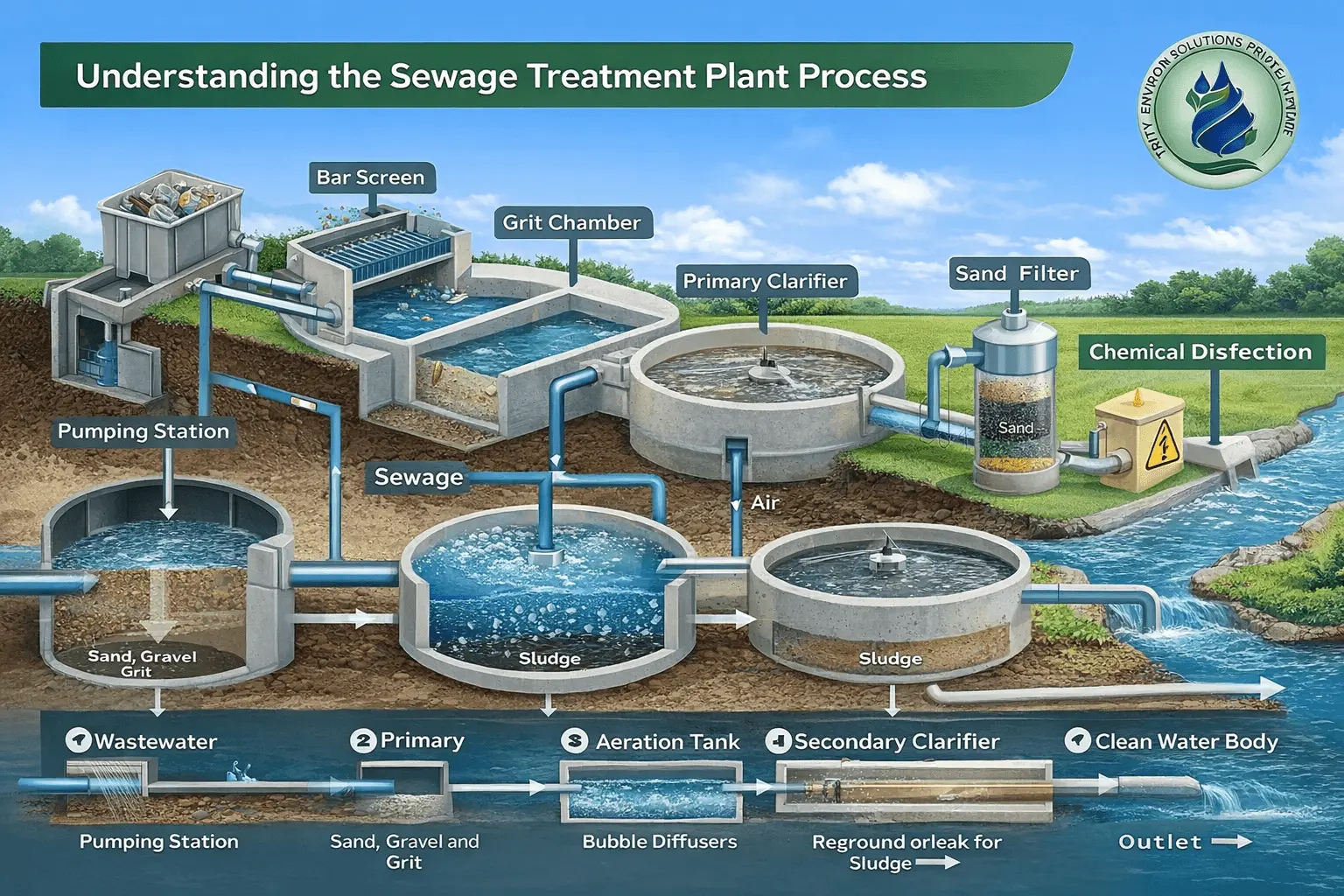
Ever wonder where your flush goes after you, you know, flush it? It’s not magic, my friend. It’s a surprisingly clever process that turns your "business" into something the environment can actually handle. Let’s take a tour of a wastewater treatment plant—no waders required.
Step 1: The Big Arrival (and a Little Shocking)
First, all that water from your toilet, shower, and sink flows into a giant pipe called the main sewer. It’s like a lazy river of, well, stuff. This sloppy parade heads straight to the treatment plant.
When it arrives, it meets something called the headworks. Think of it as a bouncer at a fancy club. It checks for anything too big or too rude—like plastic toys, rags, or that sock you lost in the laundry.
Must Read
A machine with big metal claws, called a bar screen, scoops up all the junk. It’s gross, but someone has to do it. The collected debris gets washed and sent to a landfill. So, yes, your old sock gets a second life as garbage.
Fun Fact: The Grit Chamber
Next, the water flows into a grit chamber. This is a slow-moving pool where heavy stuff like sand and coffee grounds sink to the bottom. Imagine a spa day for dirt, but without the cucumber water.
Why coffee grounds? Because they’re heavier than water and rude to the pumps. So they get the boot—literally scraped away. Your morning joe has a whole second act down here.
Step 2: The Settling Pool (aka The "Chill Zone")
After the rough stuff is gone, the water enters a huge, quiet tank called the primary clarifier. Here, the water just sits for a few hours. It’s like a lazy Sunday for wastewater.
Heavier solids—imagine sludge, grease, and tiny bits of organic matter—sink to the bottom. Lighter things like oil and fat float to the top. The scrapers gently push the bottom sludge to a collection pit.
This sludge is called primary sludge. It smells like a gym bag left in a car. But don’t worry—it’s about to get a serious makeover.
Step 3: The "Biology Party" (Where Good Bacteria Party Hard)
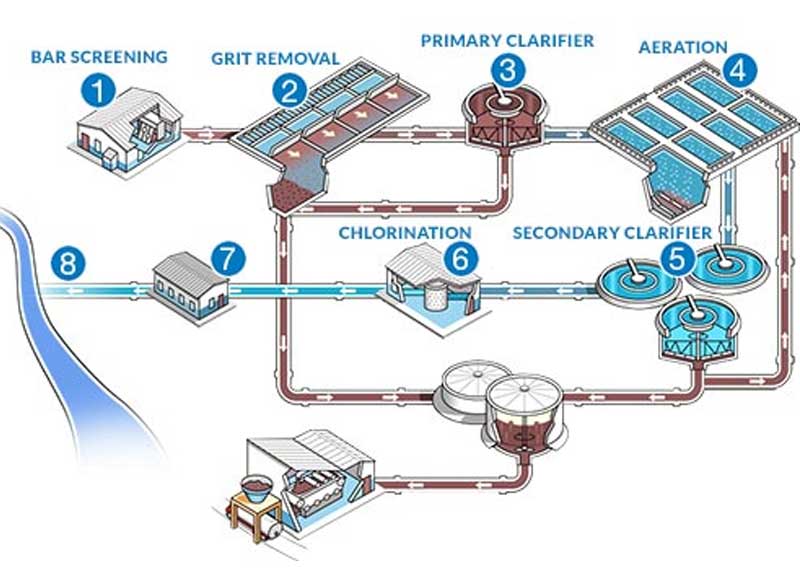
Now the water goes to the aeration tank. This is where the real magic happens. We add a bunch of good bacteria—think of them as tiny, hungry Pac-Men.
 Wastewater Treatment Plant How Does It Work at Adrienne Maldonado blog
These bacteria gobble up the dissolved yuck—poop, food scraps, soap scum—like it’s a buffet. To keep them happy, we pump in air. The tank bubbles like a hot tub, giving the bacteria oxygen to breathe and eat.
It’s a frenzy of digestion. The bacteria multiply, eat, and burp out harmless byproducts. By the end, the water is much cleaner, and the bacteria are full and sleepy.
The "Settling" of the Bacteria
After the party, the water flows into the secondary clarifier. Here, the bacteria clump together and sink to the bottom. This leftover goo is called activated sludge.
Most of this sludge gets recycled back to the aeration tank to keep the party going. But a little bit gets sent to… you guessed it—sludge treatment.
The water on top is now 90–95% clean. It looks clear, but it’s not drinking water yet. We’re almost there.
Step 4: The Finishing Touches (Like a Spa Facial)
The water now goes to a disinfection tank. It gets zapped with UV light or dosed with a tiny bit of chlorine. This kills any remaining harmful germs, like bacteria or viruses.
If chlorine is used, a dechlorination step adds a dash of sulfur dioxide to neutralize the chlorine. We don’t want to bleach the fish, do we?
 What is Sewage Treatment Plant and How does It Work
Some plants also use sand filters, like a giant coffee filter, to trap any last specks of dirt. By now, the water is cleaner than most streams.
Step 5: The "Gross-But-Great" Sludge Story
Remember all that sludge? It goes into a giant, sealed tank called a digester. Here, other bacteria eat it in a cozy, oxygen-free environment. It’s like a food coma for microbes.
This process creates methane gas. Wait—don’t hold your nose! That methane is captured and burned to generate electricity to power the plant. Yep, your poo literally powers the lights.
The leftover sludge, called biosolids, is a nutrient-rich, fluffy soil. It’s treated, dried, then sold to farmers as natural fertilizer. Your garden tomatoes love it. (Not kidding.)
The Big Finish: Where Does the Water Go?
After all that, the crystal-clear water is released into a river, lake, or the ocean. It’s so clean, it can support fish, plants, and even swimmers (though probably not immediately).
These plants are amazing because they work 24/7, rain or shine, without a single complaint. They’re the unsung heroes of modern life. They take our mess and give back life.
So next time you flush, give a little nod to the pipes. You’re not just getting rid of waste—you’re starting a journey that feeds farms, powers lights, and cleans rivers. That’s one heroic flush.
And remember: your poop might be a comedian’s favorite joke, but it’s also a non-renewable resource for the environment. Treat it with respect—or at least, with a clean flush. 😉
