How Much Does A Water Well Cost To Install

So my buddy Tom, a man who thinks a leaky faucet is a weekend project, decided to go full pioneer last year. He bought a piece of land way out in the sticks, all excited about...
So my buddy Tom, a man who thinks a leaky faucet is a weekend project, decided to go full pioneer last year. He bought a piece of land way out in the sticks, all excited about being “off the grid.” After the first weekend of hauling five-gallon jugs from town, he called me, voice cracking: “Dude, how much does a well cost? I’m dying.”
I laughed—sympathetically, of course—and told him what I’m about to tell you. The short answer? It’s not cheap, and the sticker shock can make you choke on your morning coffee. But the long answer? That’s where the real story lives.
The Basic Breakdown (aka, the “You Had Me at ‘Drilling’”)
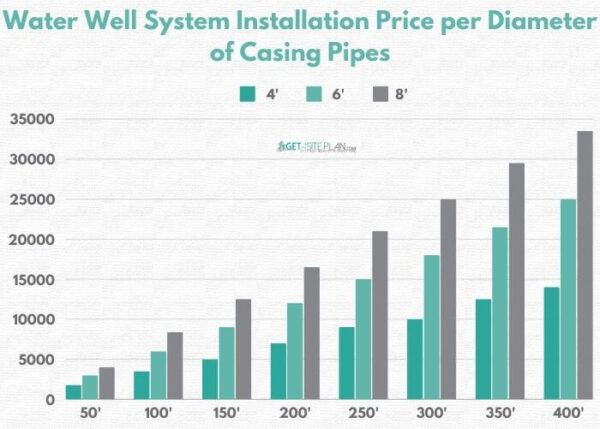
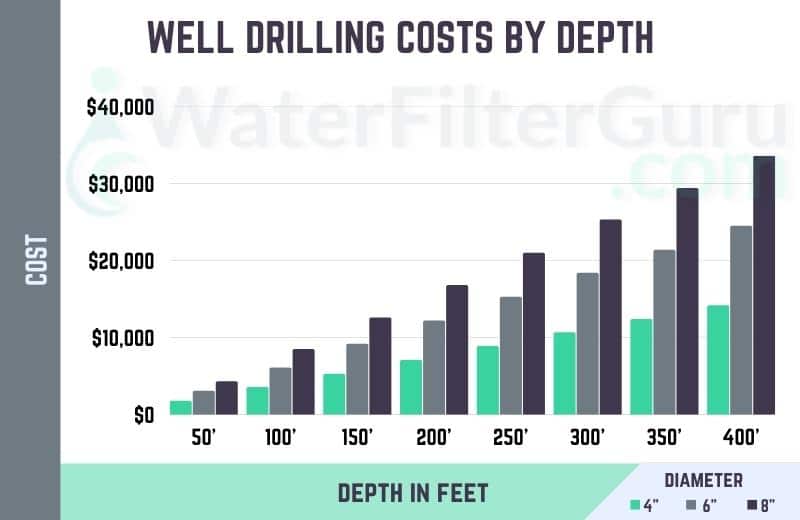
On average, a residential water well installation will run you anywhere from $3,500 to $15,000 for a standard setup. Yeah, that’s a huge range—wider than my uncle’s waistline after Thanksgiving. Why the gap? It all comes down to depth, geography, and your specific water needs.
Must Read
Drilling itself is the big-ticket item, usually costing $25 to $65 per foot of depth. If you’re lucky and water is at 100 feet, you’re looking at a few grand. If you’re in a dry area and need 500 feet? Brace yourself. That’s $32,000 just for the hole in the ground.
The Geography Lottery (You Can’t Cheat This One)
Location, location, location isn’t just for real estate—it’s for wells too. In sandy, soft soil, drilling might be cheaper because it’s fast. But hit bedrock or clay? Cha-ching. The drill bit dulls, time slows, and your wallet cries. I’ve heard stories of folks in rocky New England paying $50,000 for a well because the drill hit a boulder the size of a Mini Cooper.
And get this: some states require permits and water rights. A permit might cost you $100 to $500, but if your neighbor throws a fit about shared aquifers? You could end up in a water war that costs more than the well itself. No joke.
 2025 Well Drilling Costs | Average Water Well Installation Cost
The Hidden Costs (Because of Course There Are Hidden Costs)
You thought drilling was it? Nope. That’s just the appetizer. You need a pump—a submersible pump can set you back $1,000 to $3,000, plus installation. Then there’s the pressure tank (another $300–$600), the piping, the wiring, and the water filtration system (maybe $500 to $2,000 if your water tastes like rusty pennies).
Oh, and don’t forget the well casing and cap—that steel or plastic tube that keeps dirt and critters out. A simple cap? $50. A fancy one with a seal? $200. And the casing itself? Add a few hundred to a few thousand, depending on depth and material. You see how this adds up, right?
The “Gamble” No One Talks About
Here’s the irony: you pay for water you hope exists. Drillers often charge a “dry hole” fee if they go deep and find nothing. Some companies charge $10 to $20 per foot even if it’s a bust. Imagine spending $10,000 and getting a glorified hole in your backyard. That’s a thirst trap you don’t want to fall for.
Most drillers will do a hydrofracturing (fracking for wells) if water is scarce, costing another $1,000 to $3,000. It’s like begging the earth for a sip. And sometimes it works. Sometimes it’s a dry birthday party where everyone just stares at the cake.
 How Much Does a Well Cost? (2024 Well Drilling Cost Guide)
Is It Worth It? (Spoiler: Usually Yes, But…)
For Tom, after the tears and the final bill of $12,500 (including a top-tier pump and filtration), he now has water that tastes like mountain spring. No monthly water bill. No city restrictions. He can water his garden at 3 a.m. wearing pajamas, and nobody cares. Freedom has a price tag, and it’s about the cost of a used Honda Civic.
But for you? Do the math first. Compare the well cost to connecting to city water—if that’s even an option. A city hookup might cost $2,000 to $10,000, but then you’re paying monthly forever. A well is an asset that adds value to your property, if you maintain it. And maintaining it means annual tests, occasional pump replacements, and never, ever forgetting to check the pressure gauge.
The One Thing I’d Beg You To Do
Before you call a driller, get three quotes. Seriously. Prices vary wildly by company, region, and even the driller’s mood that day. Ask for a per-foot price that includes everything—casing, grouting, and a yield test. If they hem and haw, run. A good driller will be as transparent as a glass of well water.
And for the love of hydration, don’t DIY this. I’ve seen YouTube videos of guys digging wells with a shovel and a prayer. Unless you’re a masochist who loves cave-ins and contaminated water, leave it to the pros. Your back—and your water—will thank you.
