How To Tell If A Water Softener Is Working

So, you’ve got a water softener. Maybe you inherited it with the house, or you finally caved and bought one after battling that chalky, white “crust” on your showerhead. Eithe...

So, you’ve got a water softener. Maybe you inherited it with the house, or you finally caved and bought one after battling that chalky, white “crust” on your showerhead. Either way, you’re probably wondering: is this thing actually doing its job? It’s a bit like owning a pet fish—you can’t see it breathing, but you sure hope it’s alive.
Here’s the good news: figuring out if your water softener is working is surprisingly simple. And honestly, it’s kind of cool once you know the signs. Let’s dive in, shall we?
The “Soap Suds” Test: Your Shower’s Secret Weapon
Think of hard water as a grumpy cat that hates lather. When water is packed with calcium and magnesium, soap just won’t bubble up properly. You end up using a gallon of body wash to get a sad, thin foam.
Must Read
Now, try this: fill a clear bottle halfway with tap water, add a few drops of liquid soap, and shake it. If it’s soft water, you’ll get a thick, fluffy cloud of suds that lingers. Hard water? You’ll get a few wimpy bubbles and a cloudy, milky mess. It’s that simple!
“But what if I don’t have a bottle handy?” Just pay attention in the shower. Do you feel like you’re rinsing off slick, slippery soap forever? That slippery feeling? That’s proof it’s working. Hard water leaves your skin feeling sticky, not smooth.
Spotless Glassware: The “Streak Test”
Ever pull a glass out of the dishwasher and see those rainbow-colored spots or a white film? That’s hard water drying on the surface. It’s like leaving a fingerprint on your brand-new phone—annoying and totally avoidable.
With a working softener, your glasses should come out crystal clear and dry without a single smear. If you’re still seeing spots, your softener might be on strike. Think of it as your dishes doing a victory dance—they’re finally clean without the crust.
One quick tip: fill a glass with tap water and let it sit for an hour. If you see a white ring form at the water line, that’s hard water mineral residue. No ring? Your softener is a hero.
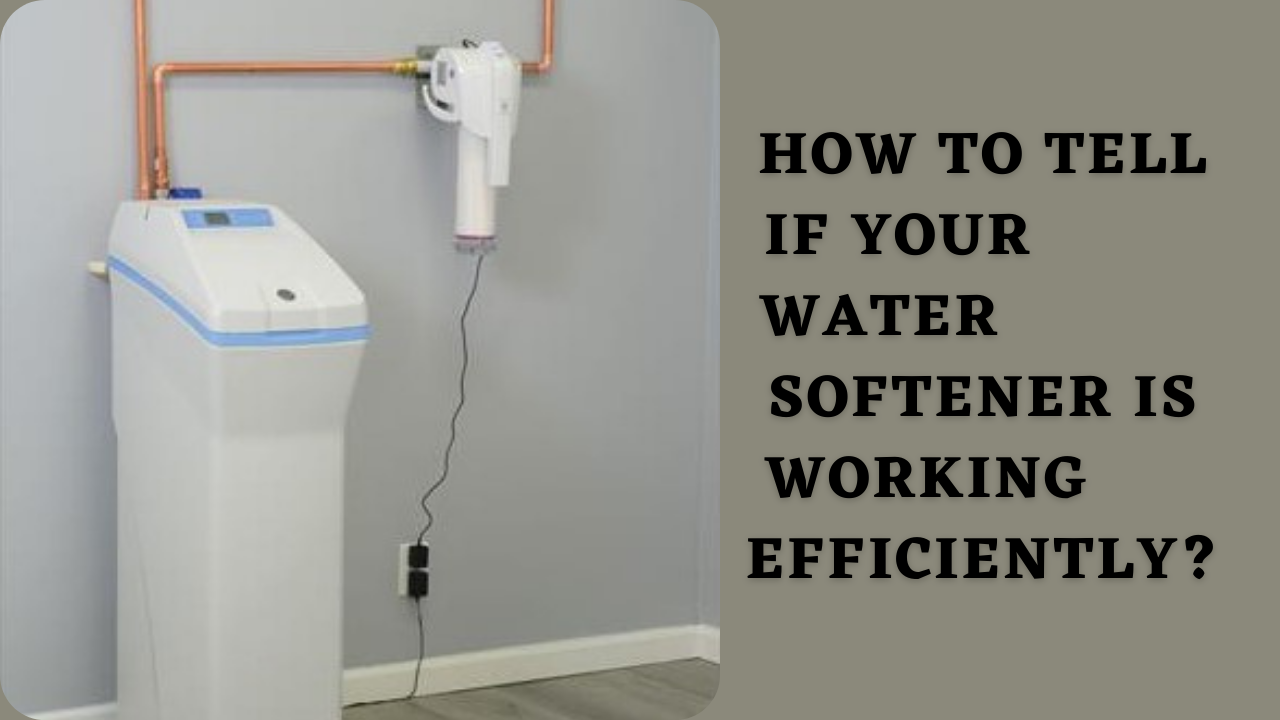 How To Tell If Your Water Softener Is Working Efficiently? (Easy to
Feeling the Magic on Your Skin and Hair
This one is my personal favorite. Have you noticed your skin feels different after a shower? Hard water can leave your skin feeling tight, dry, and itchy—like you’ve been wrapped in sandpaper. Soft water, on the other hand, feels like a silk bath.
Your hair will tell the story, too. If it comes out frizzy or lank all the time, hard water might be the culprit. But if it feels soft, bouncy, and actually holds a lather? Bingo—your softener is working overtime. It’s like giving your skin and hair a daily spa day.
And hey, if you’re still not sure, touch your laundry. Hard water makes clothes feel stiff and scratchy, even after washing. Soft water leaves them pillowy and fresh.
The Tell-Tale “Salt Bridge” (or Lack Thereof)
Okay, this one is a bit more technical, but don’t sweat it. Peek inside your softener’s brine tank. You’ll see a pile of salt pellets. If the salt looks like a solid, crusty chunk that won’t budge—that’s a “salt bridge.” It means the salt can’t mix into the water to regenerate the system.
If your salt looks normal, like loose gravel, and you can poke it with a stick (go ahead, be brave), then your system is probably humming along. But wait— is the water level inside the tank correct? Too much water? Too little? You can find the manual online, but a working system usually has water just covering the salt.
Just remember: a salt bridge is the #1 reason a softener stops working. Breaking it up is like unclogging a drain—easy and deeply satisfying.
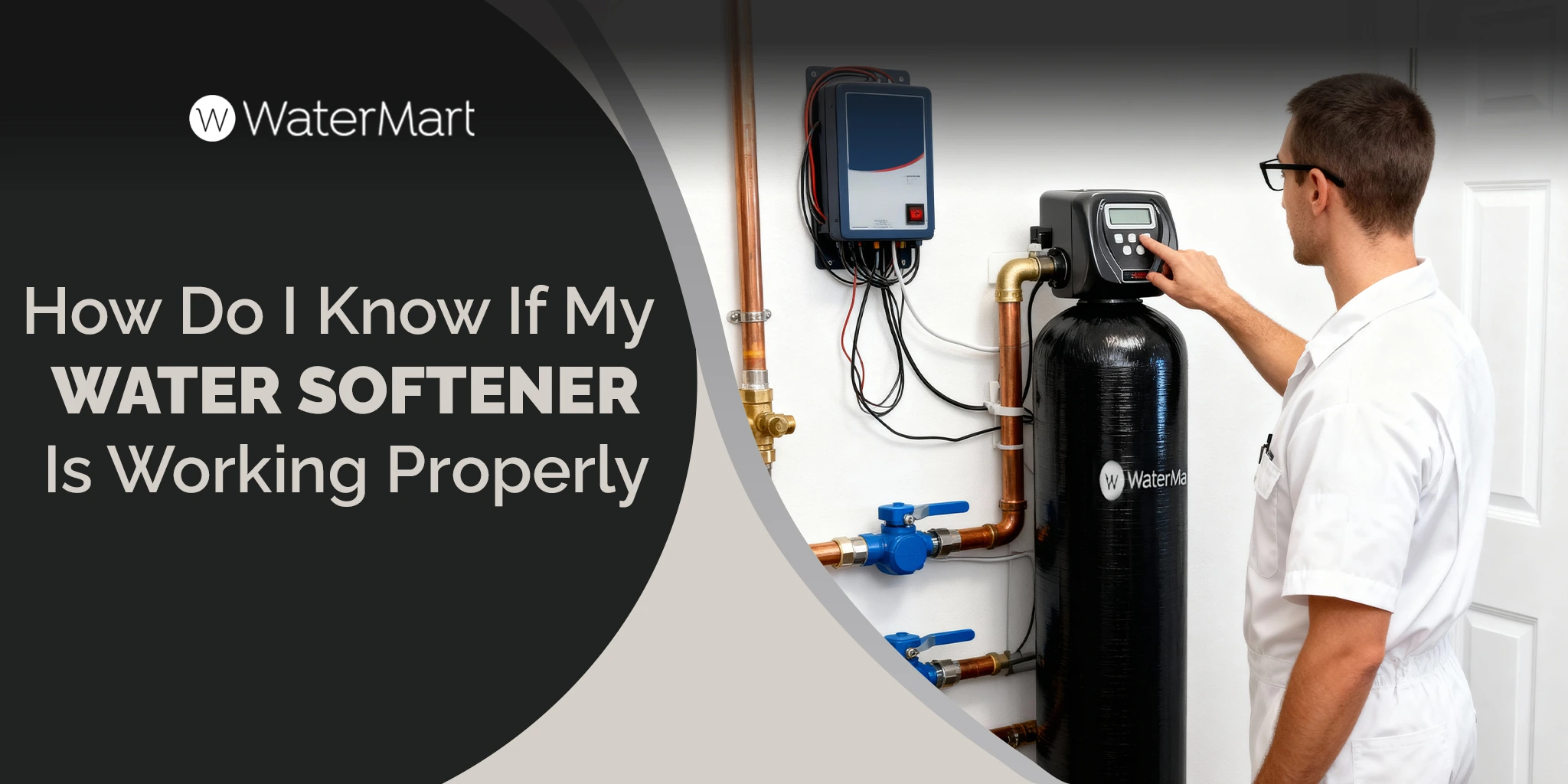 How do I know if my water softener is working properly?
Listen to the Pipes and the Timer
Does your softener make a gentle hum or a whoosh sound every few nights? That’s the regeneration cycle. It’s the system “cleaning itself” so it can keep softening. If you never hear it, it might be broke—or just really quiet.
You can also check the control panel. Most modern softeners have a display that tells you how much water it’s treating. If it’s counting down days or gallons like a robot at work, it’s alive and kicking. If it’s just sitting there blank, well… you might need to look deeper.
But honestly, the best test is your own senses. If you’re not seeing spots, your soap suds up like a party, and your skin feels amazing, rest easy. Your water softener is a silent, awesome workhorse.
A Quick Reality Check
Here’s the thing: water softeners aren’t magic. They need salt, and they need occasional maintenance. If you’ve run out of salt for a month, it’s not going to make a sound—it’ll just stop. So check the salt level once a month, okay?
And if you try all these tests and your water still feels hard? Don’t panic. It could be a setting that needs tweaking, or a mineral buildup inside the system. Call a friendly plumber—they love this stuff.
So go ahead, fill a glass, shake some soap, and feel your own hair. You’ve got the tools. And honestly, once your water is soft, you’ll never want to go back to that hard, grumpy water again. You’ve got this.
