How To Tell If You Have Soft Or Hard Water

So, you’ve heard people muttering about “hard” water and “soft” water, like they’re debating the texture of a mattress. But here’s the thing: your water isn’t going to punch y...
So, you’ve heard people muttering about “hard” water and “soft” water, like they’re debating the texture of a mattress. But here’s the thing: your water isn’t going to punch you in the face or give you a warm hug. It’s actually all about minerals—specifically, calcium and magnesium. Hard water is loaded with them; soft water has had them kicked to the curb.
Why should you care? Well, because your skin, your dishes, and your plumbing are all in a secret relationship with your water type. And if you’ve ever wondered why your hair feels like straw or why your showerhead looks like a crusty fossil, congratulations—you might be living with hard water.
Let’s run a few ridiculously simple tests. Don’t worry; no science degree required. Just your eyes, your hands, and maybe a spare plastic bottle you won’t miss.
Must Read
The Soap Suds Snoop Test
This is the easiest test in the world. Next time you’re in the shower, grab your liquid soap or shampoo. Squeeze a dime-sized blob into your palm and lather it up on your skin.
If you get a rich, fluffy, bubbly lather that feels like a cloud, you probably have soft water. But if you get a thin, sad, scummy film that looks like tears? That’s hard water throwing a tantrum.
Hard water hates soap—it reacts with the minerals to create “soap scum,” which is that white, sticky residue you find on your bathtub. Soft water, on the other hand, is soap’s best friend.
The Glass Stain Gambit
Pull out a clean glass from your cupboard. I mean really clean—no smudges from your last iced tea. Now hold it up to the light.
If it’s sparkling clear like a diamond, you might have soft water. If it looks like a ghost sneezed on it—with white spots, cloudy patches, or rainbow streaks—congratulations, you have hard water.
Those spots are mineral deposits left behind after the water evaporates. It’s basically your glass’s way of saying, “Hey, your water is packed with calcium.” Not harmful, just ugly. Like a bad hair day for your drinkware.
The Dishwasher Detour
Open your dishwasher mid-cycle (wear oven mitts, you madlad). Look at the dishes inside. If they come out spotty and foggy, hard water is the villain.
Your dishwasher detergent is supposed to bond with water to rinse away food. But hard water’s minerals steal the detergent, leaving a film. Your plates look clean but feel like sandpaper. Gross, right?
Pro tip: If your dishwasher has a “salt” compartment and you’re refilling it constantly, you’re in hard-water country. Soft water users just laugh and ignore that compartment forever.
 Hard Water vs Soft Water: Key Differences, Effects & Best Home
The Showerhead Squint
Take a close look at your showerhead. No, not the water—the nozzles. Are they covered in white, crusty bumps? Like a dinosaur’s back? That’s limescale, the calling card of hard water.
Soft water leaves your showerhead shiny and unblocked. Hard water slowly builds up a mineral fortress that reduces water pressure. If your morning shower feels like a gentle drizzle instead of a waterfall, limescale is your culprit.
And if you’ve ever had to soak your showerhead in vinegar to unclog it? Yeah, you’re a hard-water warrior. Welcome to the club; the initiation fee is a broken water filter.
The Skin & Hair Feel-Through
Step out of the shower and pay attention. Not to your reflection—to your skin. Rub your forearm. Does it feel squeaky clean, almost like you’re sliding on a slip-n-slide? That’s soft water.
Now pinch your skin. Does it feel sticky, dry, or like there’s an invisible layer of lotion that won’t come off? Hard water again. The minerals react with your natural oils, leaving a waxy residue.
Your hair will also spill the tea. After washing, if your hair is limp, flat, or feels like straw, hard water is stripping it. Soft water gives you that bouncy, volumized “I just left a salon” vibe. Your shampoo will thank you.
The Bottle Shake Trick
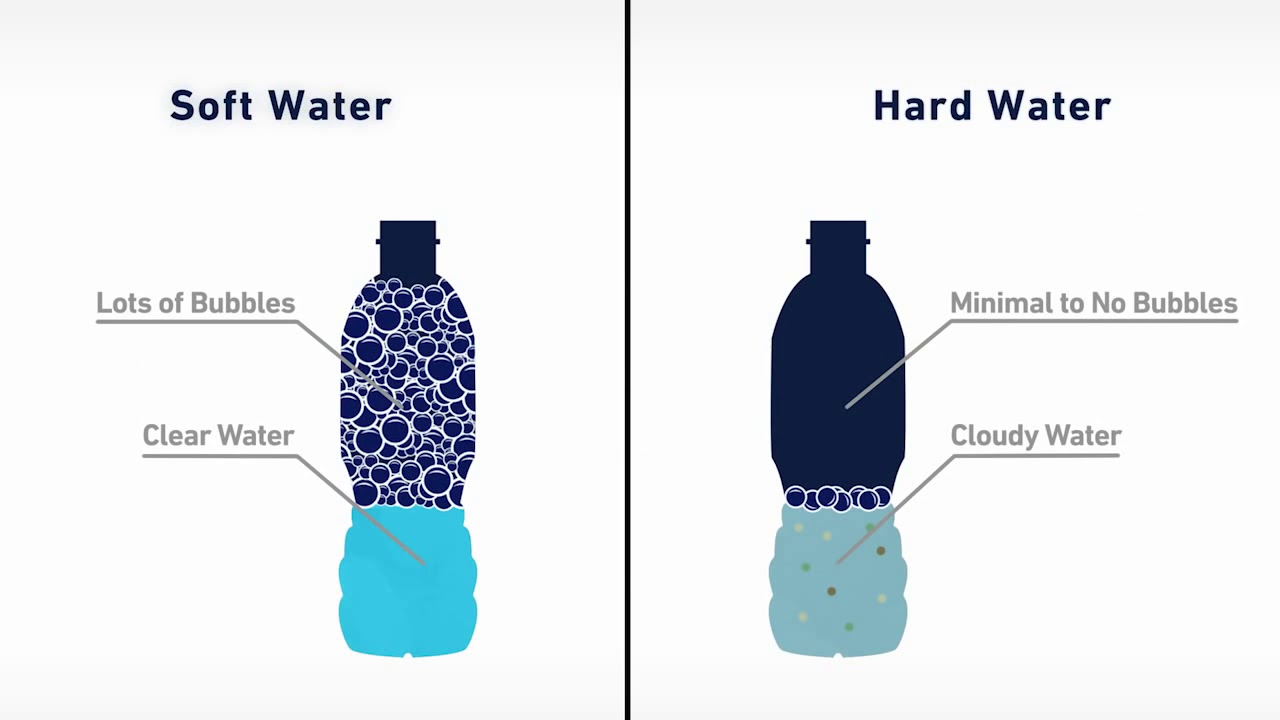
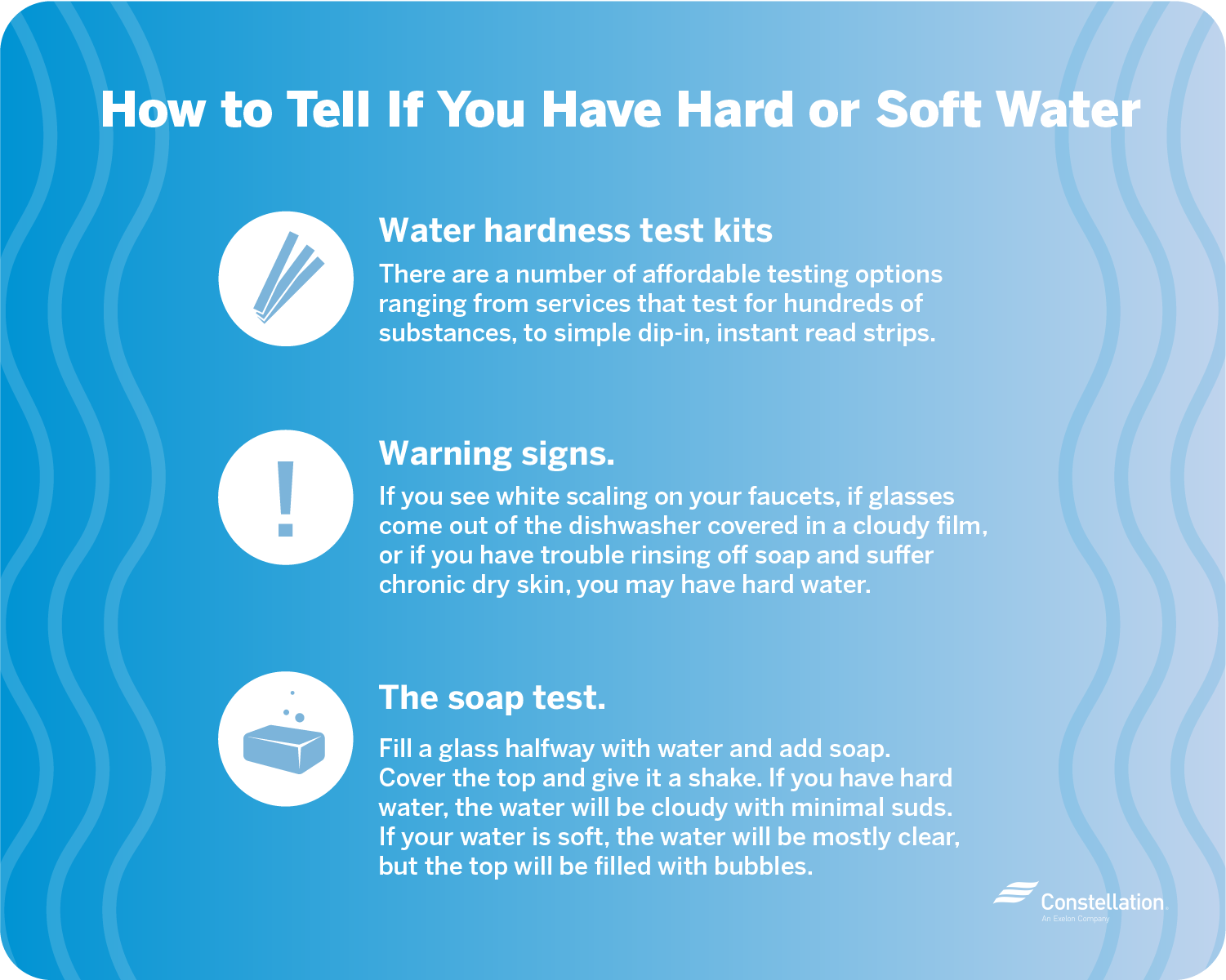
This one is for the truly curious. Fill a clear plastic water bottle halfway with tap water. Add a drop of liquid dish soap. Cap it tight and shake it like a Polaroid picture.
If the bottle explodes with thick, fluffy foam, you likely have soft water. If the bubbles are few, sad, and disappear quickly, leaving cloudy water? Hard water has entered the chat.
That’s because soap needs to overcome the minerals to create suds. In hard water, the soap loses the fight. In soft water, it throws a foam party. You’ve been warned—don’t shake too hard or you’ll mop the kitchen floor.
 Why Is There Water In My Soft Water Tank at Jaclyn Glenn blog
The Faucet Film Feel
Touch your kitchen faucet. Is it smooth and dry? Soft water. Is it sticky, greasy, or have a white powder on it? Hard water strikes again.
That stickiness isn’t actual grease—it’s mineral residue reacting with air and your hand oils. It’s like your faucet is wearing a thin, invisible coat of chalk. Not dangerous, but it makes you wash your hands three times.
If you’ve ever scrubbed your faucets with vinegar and they looked pristine for exactly one day, you know the struggle.
Wait—What About Soft Water?
If you’re reading all of this and thinking, “Wow, I definitely have soft water,” lucky you. Your skin is probably jealous of itself. But soft water has its own quirks.
It can feel a little slippery when washing, like you never quite rinsed all the soap. That’s normal—it’s just your skin sliding around because there’s no mineral residue. Some people hate it; I call it “butter hands.”
Soft water also makes your drinks taste a bit flat because it’s missing those tangy minerals. But honestly? Your hair, dishes, and plumbing are throwing a party. Enjoy the lather.
The Verdict (And a Little Love)
So, are you a hard-water hero or a soft-water sweetheart? Either way, your water is doing its best. It’s not trying to ruin your shower or leave spots on your wine glasses—it’s just carrying a little bit of the earth’s crust along for the ride.
If you have hard water, don’t panic. You can install a water softener, use showerhead filters, or just embrace the “crunchy look” on your glasses. It’s a conversation starter. Tell your guests your glassware is “vintage.”
If you have soft water, savor that cloud-like foam. But don’t brag too loud—hard-water folks are tough, and they’ll still get the cleanest laundry in the zombie apocalypse.
Remember, no matter what kind of water flows from your tap, it’s yours. It gets you clean, it keeps you hydrated, and it makes your coffee in the morning. That’s pretty magical. So next time you take a sip or a shower, give a little nod to your faucet. It’s doing a great job—even if it’s a little bit crusty. Cheers!
