How To Tell If You Have Hard Or Soft Water

Let’s be honest—you probably don’t think much about the water coming out of your tap. But what if I told you that a quick test could unlock a whole new level of squeaky-clean...
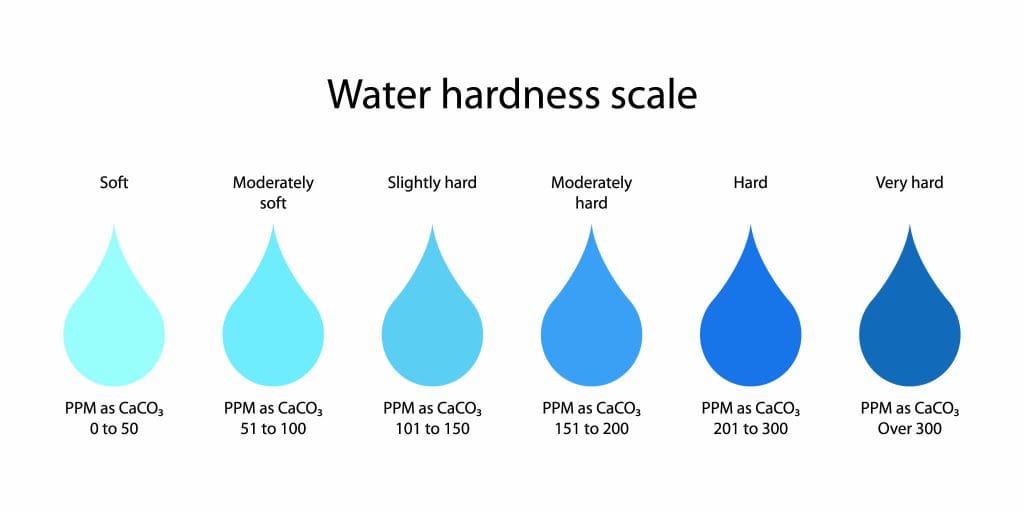
Let’s be honest—you probably don’t think much about the water coming out of your tap. But what if I told you that a quick test could unlock a whole new level of squeaky-clean hair, shinier dishes, and even better-tasting coffee? Yes, we’re diving into the bubbly world of hard versus soft water. And trust me, it’s way more entertaining than it sounds.
The Silly Science of Suds
Hard water is packed with minerals like calcium and magnesium—think of it as water that’s been hanging out with rocks a bit too long. Soft water, on the other hand, has had those minerals stripped away, leaving it silky and ready to party with soap. The easiest way to tell which you have? Look at your soap. Seriously.
If your soap lathers like a fluffy cloud the second you squirt it, congratulations—you’ve got soft water. But if you’re scrubbing your hands for days and still seeing a greasy film or feeling a sticky residue? That’s hard water being a diva. It hates lathering, so it leaves your skin feeling like you just wrestled a bar of chalk.
Must Read
The Glassware Clue
Grab a clean drinking glass from your cupboard. Hold it up to the light. Do you see white spots or a cloudy film that won’t budge? Those are mineral deposits—hard water’s calling card. Soft water leaves glass sparkling clear, like a diamond. So if your glasses look like they’ve been through a dust storm, you’ve officially been outed.
And your shower door? If it’s covered in a crusty white buildup that you have to scrape off with a sponge, that’s not your cleaning routine failing—it’s hard water showing off. Soft water will keep your doors crystal-clear with almost no effort. Fancy that!
The Hair & Skin Test
Here’s where things get personal. After you shower, does your hair feel stiff and straw-like, or does it slide through your fingers like butter? Hard water leaves a mineral coating on your hair, making it feel dry and brittle. Soft water lets your shampoo actually do its job, so your hair feels bouncy and soft—like you just left a salon.
Same goes for your skin. If you constantly feel itchy or tight after a shower, hard water might be the culprit. Soft water rinses away soap completely, leaving your skin happy and hydrated. You might even forget where you put your lotion. (Don’t throw it away yet, though—winter’s still coming.)
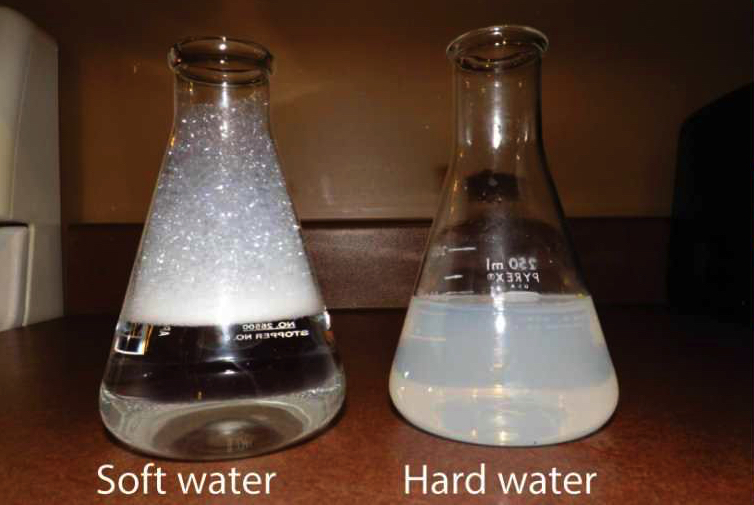 Public Engagement | Communicating Science (2018w112)
The Faucet Fingerprint
Check your faucets and showerheads. Do you see white, crusty deposits building up around the spout, like tiny stalactites? That’s hard water in action—it’s literally leaving rock behind. Soft water leaves fixtures gleaming with no scrubbing required. If you have to clean those crusty spots every week, you’re living with hard water, my friend.
But here’s the fun part: you can actually feel the difference. Run your wet hands over a faucet. If it feels smooth and slippery after rinsing, that’s soft water. If it feels kind of rough or tacky, that’s hard water clinging on for dear life. Weirdly satisfying, right?
The Fun Experiment
Ready for a kitchen science moment? Fill a clear bottle halfway with tap water. Add a few drops of liquid dish soap—the cheap kind. Shake it vigorously for 10 seconds. If you get a thick pile of fluffy suds, soft water wins. If you get a thin, sad layer of bubbles with lots of clear water underneath, that’s hard water being a party pooper. It’s like watching a soda that already went flat.
You can even test your shaving cream. Hard water makes it dry and difficult to spread; soft water turns into a luxurious lather that makes you feel like a celebrity. Who knew your morning routine could be so telling?
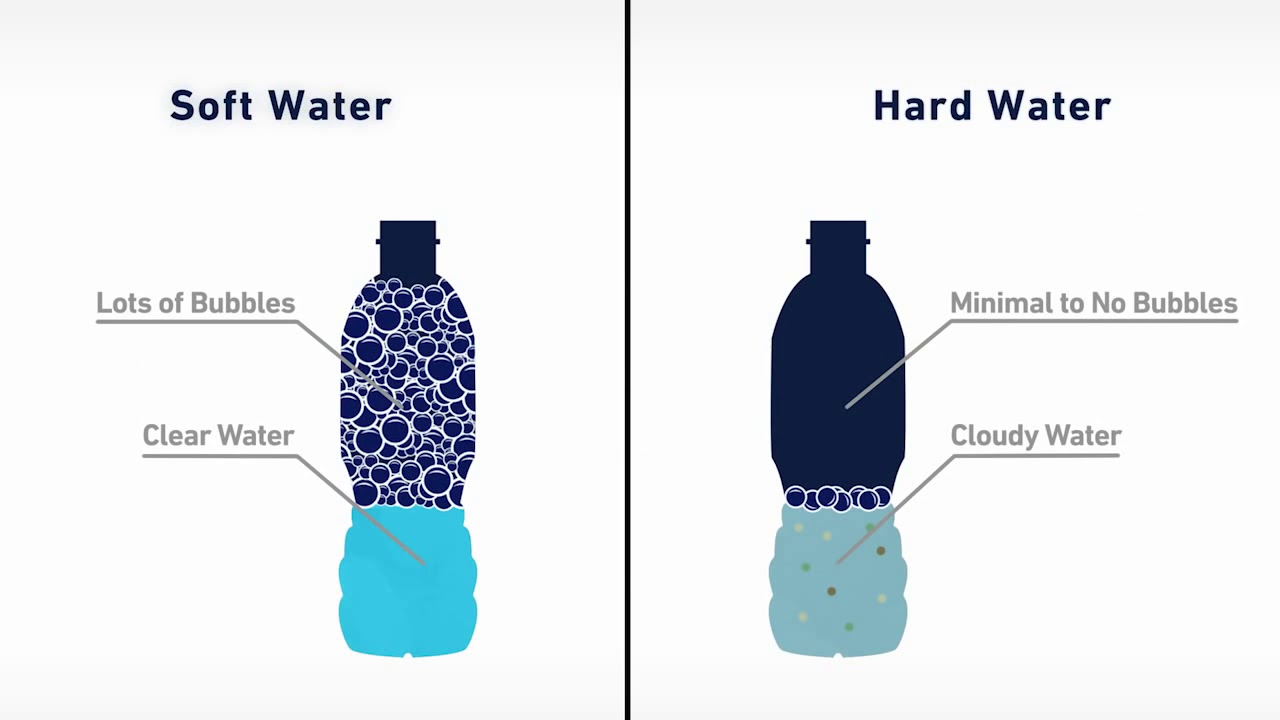 How to Test for Hard Water in Your Home - YouTube
Why This Matters (Beyond Being Weirdly Fun)
Knowing your water type isn’t just a party trick—it changes how you clean, cook, and care for yourself. Hard water means you’ll use more soap and deal with more scale in your kettle and pipes. Soft water saves you money on cleaning products and makes your appliances last longer. It’s like the water version of a life hack.
And here’s the uplifting truth: neither is “bad.” Hard water has minerals that are good for your bones (hello, calcium!), and soft water is easier on your hair and home. The real magic is knowing which you have—so you can work with it, not against it. You can adjust your shampoo, buy a water filter, or just laugh at your crusty faucet. Knowledge is power, but it’s also joy.
Your Next Adventurous Step
So go ahead—shake that bottle, inspect that glass, and feel your skin after a shower. You’ve just unlocked a secret about your own home. And that’s awesome. The world is full of little mysteries waiting to be figured out, and water is one of the friendliest ones.
Embrace your water’s personality, and let it inspire you to learn more. Maybe tomorrow you’ll look up how to soften it naturally, or discover why your kettle whistles a different tune. The journey starts with a single splash. Go get sudsy.
