How To Remove Calcium From Water Naturally

So, last week, I tried to impress my mother-in-law by making her famous lemon cake. I followed the recipe to the letter—or so I thought. The cake came out dense, chalky, and,...

So, last week, I tried to impress my mother-in-law by making her famous lemon cake. I followed the recipe to the letter—or so I thought. The cake came out dense, chalky, and, well, sad. She took one polite bite and asked, “Did you use tap water?” Busted. My tap water is so hard it could probably be used as a building material.
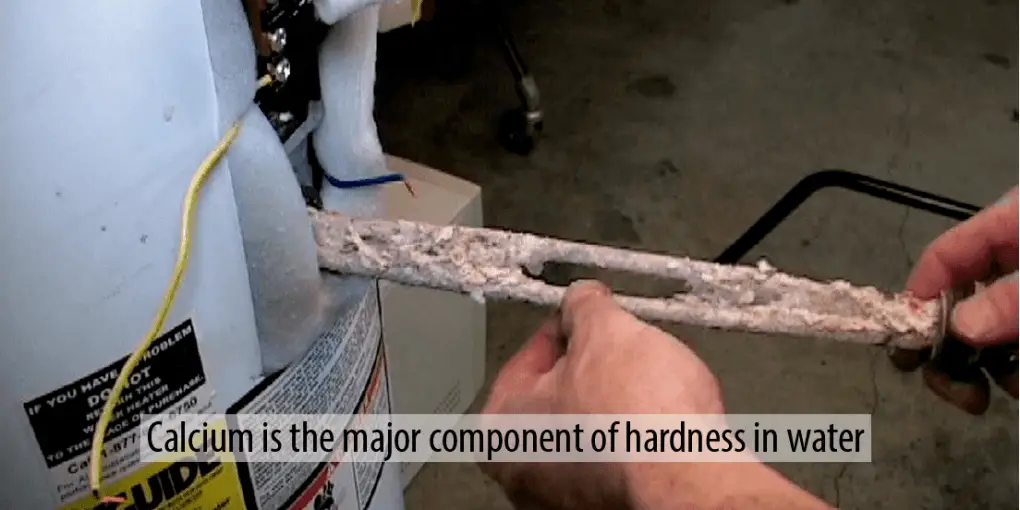
That chalky disaster is what happens when calcium (and its sidekick, magnesium) builds up in your water. It leaves white scales on your kettle, makes soap refuse to lather, and—apparently—ruins baked goods. But here’s the thing: you don’t need a fancy filter or a chemistry degree to fix it. Nature has some pretty clever tricks up its sleeve.
Boiling It Out (Literally)
The simplest method? Boil the heck out of your water. When you heat hard water, calcium bicarbonate breaks down into calcium carbonate—that solid, white gunk you see floating around. Let the water cool, and the solids will settle at the bottom.
Must Read
This is why your tea kettle looks like a crime scene after a week. Pour the water off the top, leaving the white sludge behind, and—voilà—softer water for your coffee. Fair warning: this only removes temporary hardness (carbonates), not the permanent kind (sulfates). So it’s a partial fix, but hey, it’s free.
Bonus Tip: The Ice Cube Trick
If you’re impatient like me, pour the boiled water into an ice cube tray. Once frozen, the calcium sediment will cling to the ice. Just rinse the cubes quickly before melting them. You’ll literally ditch the grit.
Citric Acid: Your Tangy Hero
Remember that lemon cake that failed? Ironically, lemons are calcium’s mortal enemy. Citric acid binds to calcium ions, turning them into a soluble citrate that won’t form scale. Squeeze half a lemon into a liter of hard water, let it sit for an hour, and boom—you’ve got softer water.
This works wonders for your coffee maker or kettle. Just run a mix of lemon juice and water through a cycle, then rinse. Your kitchen will smell like a Greek island, and your appliances will thank you. Just don’t overdo it—too much acid can taste sour, and your stomach might stage a protest.
 Does Calcium Water Go Bad at Fred Morales blog
The Secret Life of Almonds (Yes, Almonds)
Okay, I’m going to sound like a crunchy blog here, but hear me out: almonds can absorb calcium. Raw almonds, when soaked in water, release enzymes that bind to minerals. Soak a handful of almonds in your tap water overnight, strain them out in the morning, and the water will be noticeably softer.
Yes, you’ll have soggy almonds leftover. Toast them for a snack. Or, as my husband jokes, “treat your water to a spa day with nuts.” Ironic? Absolutely. Does it work? Surprisingly, yes. It’s a slow process, so plan ahead.
Vinegar: The Stinky, Affordable Fix
White vinegar is the duct tape of the natural world. It’s cheap, it’s sour, and it destroys calcium deposits. Add one cup of vinegar to a gallon of hard water, let it sit for 30 minutes, and the calcium will dissolve into harmless acetate. (Yes, your water will smell like a pickle; let it air out for a bit.)
Use this to descale your showerhead or faucet, not for drinking—unless you’re into pickle-flavored tea. For drinking water, stick to lemon or boiling. You’re welcome, taste buds.
 How to Remove Calcium from Water?-Your Ultimate Guide
A Word on Patience
None of these methods are instant. They take time and a little bit of trust. You’ll be tempted to reach for that salt-based water softener in a box, but these natural tricks are gentle on your pipes and your wallet. Plus, you get to feel smug about using stuff from your pantry.
Don’t Forget Your Plants
Hard water can turn your houseplant’s soil white and crusty—excess calcium blocks nutrient uptake. Water your plants with rainwater, or use the almond-soaking method above. Your ferns will finally stop looking like they’re auditioning for a horror movie.
Also, if you boil water for your plants, let it cool completely. Hot root soup is not a thing, and plants don’t appreciate it. Trust me, I’ve learned the hard way.
The Final Pour
So, after that lemon cake incident, I tried the boiling-and-lemon combo. My next cake was light, fluffy, and my mother-in-law actually asked for the recipe. Victory. The best part? No plastic filters, no electricity bill spike, just a lemon and a pot of water.
Next time you see that white crust on your faucet, don’t buy a fancy gadget. Grab a lemon, boil a pot, or soak some almonds. Your water will soften, your appliances will last longer, and your baked goods will actually rise. And that, my friends, is chemistry you can taste.
