Does Eating Fish Make You Smell Like Fish

We’ve all been there: you’re enjoying a flaky piece of salmon or a tuna sandwich, and then a little voice whispers, “Will this make me smell like the docks?” It’s a worry that...

We’ve all been there: you’re enjoying a flaky piece of salmon or a tuna sandwich, and then a little voice whispers, “Will this make me smell like the docks?” It’s a worry that’s as old as sushi itself, but the truth is far more nuanced than a simple yes or no.
Let’s dive right in: yes, eating fish can sometimes give your body a faint, fishy scent, but it’s not a guarantee. The culprit is a compound called trimethylamine (TMA). Fresh fish contains TMAO, which bacteria in your gut break down into TMA, a volatile chemical that smells like, well, fish.
For most people, the liver efficiently converts TMA into a non-smelly compound called TMAO, and the whole cycle ends with you smelling fresh. But about 1% of the population have a genetic quirk called trimethylaminuria, where the liver can’t keep up. That’s when the fishy odor can escape through sweat, breath, and urine.
Must Read
The Fishy Truth: What’s Actually Happening
Think of your body as a sophisticated processing plant. If you eat a fish-rich meal, especially oily varieties like mackerel or salmon, your digestive system works overtime. It’s not the fish itself floating through your pores—it’s those TMA molecules taking a detour after a heavy load.
Your sweat glands don’t discriminate; they excrete whatever is in your blood, including smelly byproducts. So, if you’ve just devoured a bowl of bouillabaisse, your armpits might broadcast the news for a few hours. It’s temporary, but it’s real.
Interestingly, the smell is often strongest in people who rarely eat fish. Your gut microbiome adapts to your diet, so regular fish-eaters develop more efficient bacteria that process TMA without much fuss. That’s why a sudden tuna binge can turn you into a walking ocean breeze.
Fun Facts from the Sea
Did you know that ancient Romans used a fish sauce called garum—and they smelled of it constantly? Rich Romans even bathed and perfumed themselves to mask the scent. Meanwhile, in Japan, eating raw fish daily is so common that the body’s microbiome is simply trained to handle it.
Another cool tidbit: cod and white fish produce far less TMA than oily fish like sardines or herring. So if you’re worried about smell, reach for a mild branzino or sole. And yes, supplementing with fish oil capsules can sometimes cause a fishy burp—but not a full-body smelly situation, unless you take massive doses.
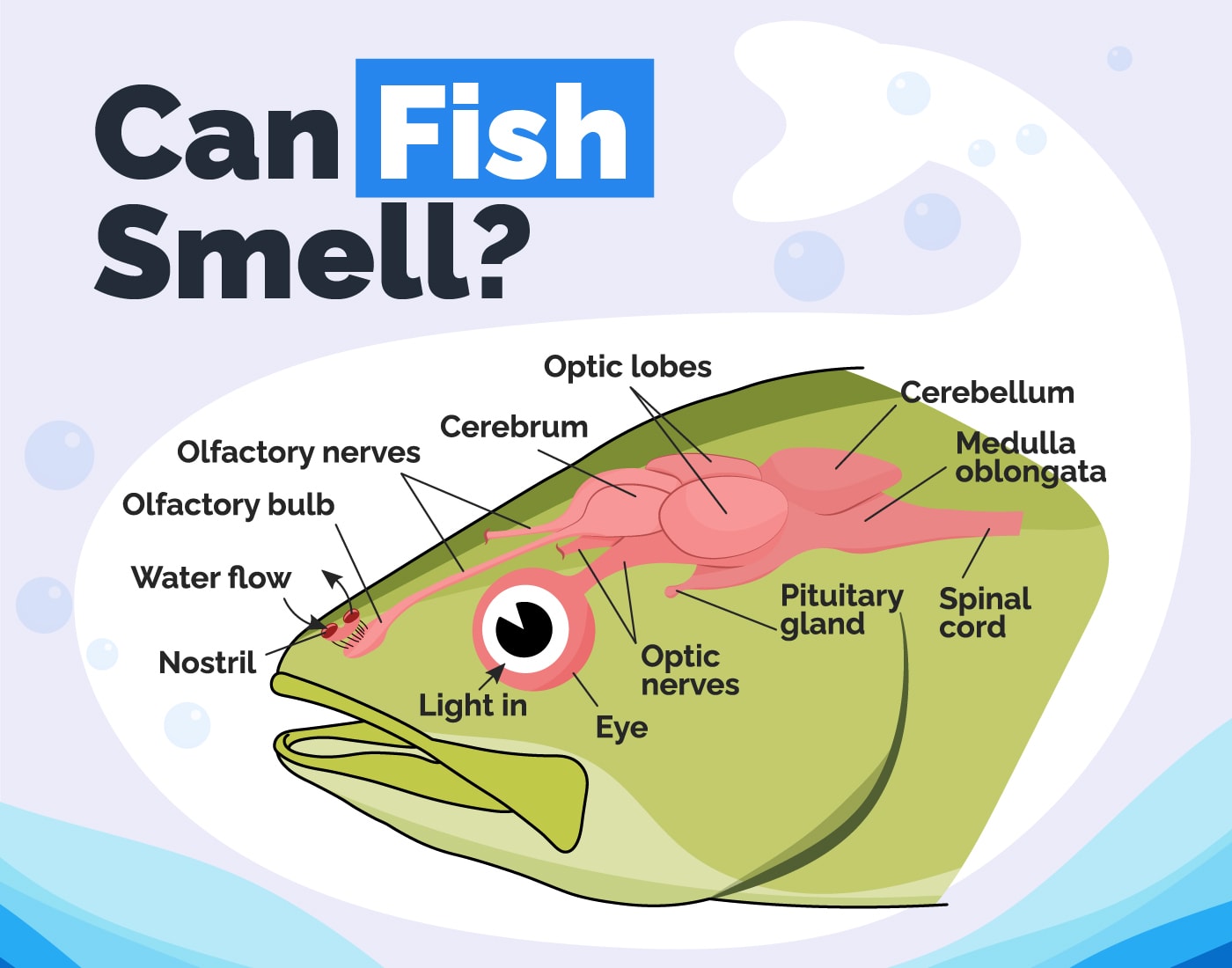 What Makes Water Smell Like Fish
How to Eat Fish (and Still Smell Great)
First, don’t stop eating fish—it’s loaded with omega-3s that boost your brain and heart. Instead, play the long game. Regular, moderate consumption of fish helps your body build a “bacterial tolerance” that minimizes odor. Think of it as training your gut flora.
Second, pair fish with fresh herbs and citrus. Lemon, lime, parsley, and dill contain compounds that neutralize TMA in your mouth and gut. A squeeze of lemon over grilled trout isn’t just tasty—it’s a chemical deodorizer. And drink plenty of water to help flush out byproducts through urine rather than sweat.
Third, be mindful of cooking methods. Smelly, charred fish skin or overcooked fish releases more volatile compounds. Lightly poaching or steaming your fish in broth with ginger and scallions can keep the scent contained. Your kitchen will smell better too.
When It’s Not Just the Fish
Sometimes, the fishy smell isn’t about you—it’s about the fish itself. If you eat slightly spoiled fish, the TMA levels are sky-high, and your body will definitely reflect that. Always buy fresh fish that smells like the ocean, not like a bait shop.
Also, watch out for hidden triggers. Some people find that supplements like choline or lecithin (found in eggs and soy) can worsen the fishy odor because they, too, break down into TMA. It’s a rare sensitivity, but try keeping a food diary if you notice a pattern.
 Why Do You Smell After Eating Fish? The Complete Science-Based Guide to
And let’s not forget stress—sweat from anxiety is chemically different and can amplify any existing odor. Stay chill, and you’ll smell better. It’s science, but also life advice.
The Bottom Line: A Permeable Myth
Eating fish won’t make you smell like a fisherman’s market unless your body has a specific genetic condition or you eat an enormous amount of really oily fish. For 99% of us, the smell is temporary and mild. It’s a myth perpetuated by old wives’ tales and maybe a few bad sushi dates.
I remember a friend who swore off salmon for years because of a single “smelly” incident. Turns out, she was just dehydrated and had eaten half a pound of smoked kippers. A glass of water and a lime wedge later, and she was back to loving her fillets.
So, go ahead—order that grilled barramundi, the ceviche, the sardine toast. Your body is a remarkably adaptive machine, and a little omega-3 never hurt anyone. You might get a whiff of the sea for an hour, but your skin will glow, your brain will thank you, and your dinner will be delicious.
In the end, the question isn’t really about fish. It’s about balance, a little self-awareness, and recognizing that most things in life—like the scent of a good meal—are fleeting. Eat well, laugh with friends, and if you get a faint murmur of the ocean? Just call it a subtle accessory. After all, a little salt in the air never hurt a summer evening.
