Why Is It Important To Test Water Quality

So the other day, I’m filling up my water bottle from the tap, feeling very smug about my eco-friendly choices. And I notice the water looks a little... off. Not brown, not cl...

So the other day, I’m filling up my water bottle from the tap, feeling very smug about my eco-friendly choices. And I notice the water looks a little... off. Not brown, not cloudy, just a tiny bit suspicious, like it’s judging my life choices. I down it anyway, because what’s the worst that could happen, right? (Spoiler: my stomach had a very strong opinion about that decision.)
That little moment of hubris got me thinking: we trust water more than we trust most people. We pour it into our coffee, we bathe our kids in it, we let our dogs drink from the same puddle without a second thought. But here’s the kicker—water can be a sneaky little liar. It might look crystal clear and still be carrying a whole party of unwelcome guests, from bacteria to heavy metals.
Your tap water isn’t just H2O anymore
Think of water as the ultimate social butterfly—it picks up everything it touches. Down in the pipes, it meets old lead, rust, chlorine byproducts, and sometimes even agricultural runoff if you’re on a well. That “clean” glass might actually be a chemistry experiment from the last century.
Must Read
And no, boiling it doesn’t fix everything. Sure, it kills bacteria, but it concentrates heavy metals and nitrates. So if your water is high in lead, boiling it is like making a lead tea—hotter, stronger, and worse for you. Seriously, do not try that at home.
It’s not just about your stomach
I used to think water testing was for hippies and preppers. Then a friend tested her well water and found arsenic—at levels that could cause long-term health issues. She had zero symptoms, zero weird taste, just silent damage happening daily. That’s the thing with contaminated water: it’s a silent saboteur.
Long-term exposure to things like lead, manganese, or even high chlorine can mess with your brain, your skin, and your hormones. It’s not about getting an upset tummy tomorrow; it’s about chronic low-grade poisoning that you’ll blame on aging or stress. But hey, maybe your brain fog is just free with your monthly water bill.
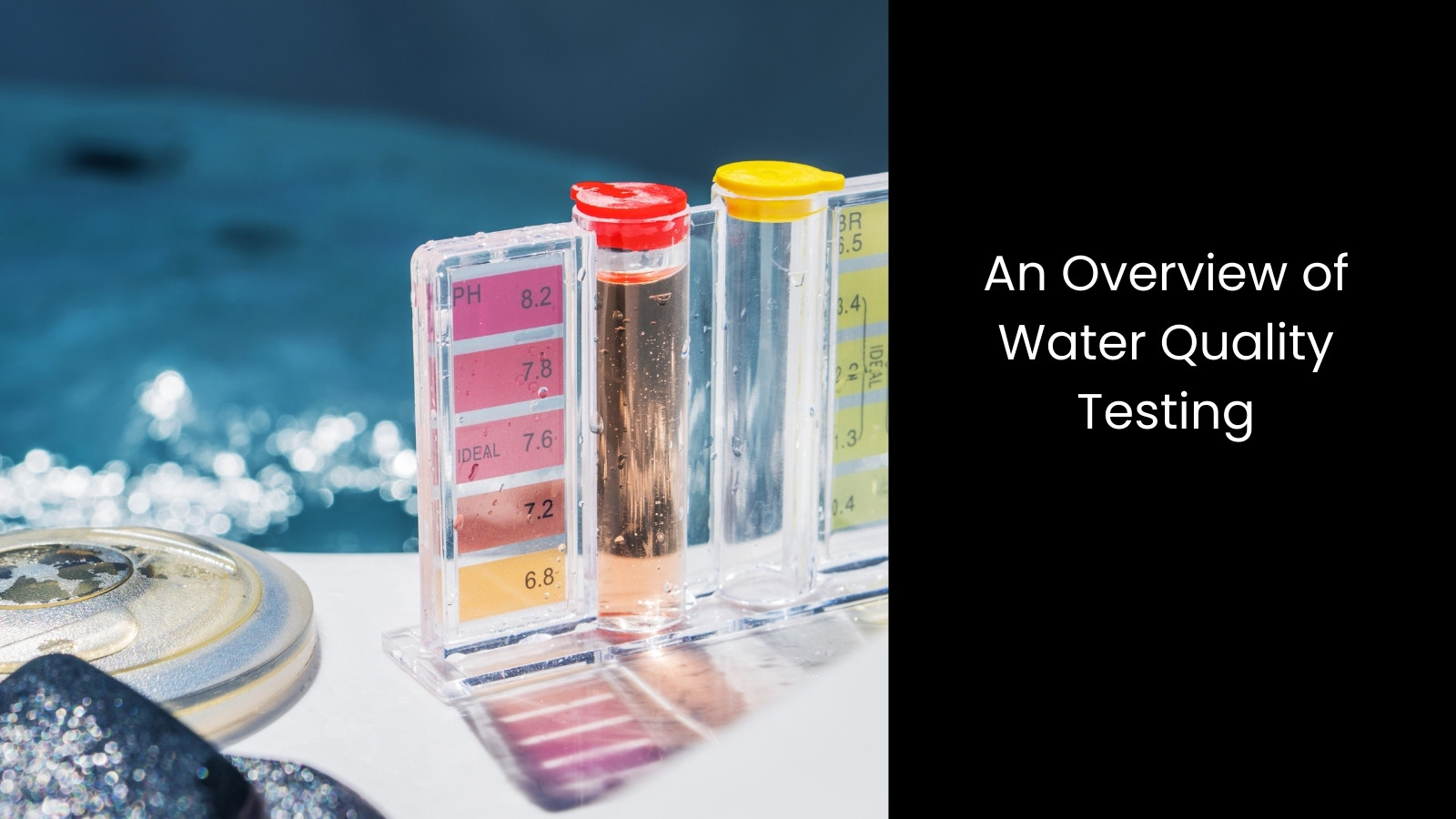 What are the Three Types of Water Quality Testing? | Tigernix Australia
You’re not paranoid, you’re proactive
Testing your water isn’t about being scared—it’s about being savvy. A simple at-home test kit can tell you if your pH is off, if there’s too much chlorine, or if you’ve got a surprise dose of nitrates. Most people test once and then forget about it for years, but water quality changes with the seasons.
Heavy rain can wash fertilizer into your well. Old municipal pipes can crack and let in dirt. Even your own water softener can add too much sodium if not maintained. Testing once a year is like getting an oil change for your hydration—cheap, easy, and saves you from a breakdown later.
The “ick” factor nobody talks about
Let’s be real: there’s a certain ick factor when you realize your water might contain traces of pharmaceutical drugs or microplastics. Yes, microplastics—tiny bits of water bottles and car tires that have made their way into the rain. They’re everywhere now, and they don’t care about your filter’s fancy marketing.
But here’s the ironic part: you don’t need to live in fear. Testing gives you a baseline. Once you know what’s in there, you can pick the right filter—activated carbon for chlorine, reverse osmosis for lead, UV for bacteria. Otherwise, you’re just buying a water filter based on the prettiest packaging at the hardware store. Cute, but useless.
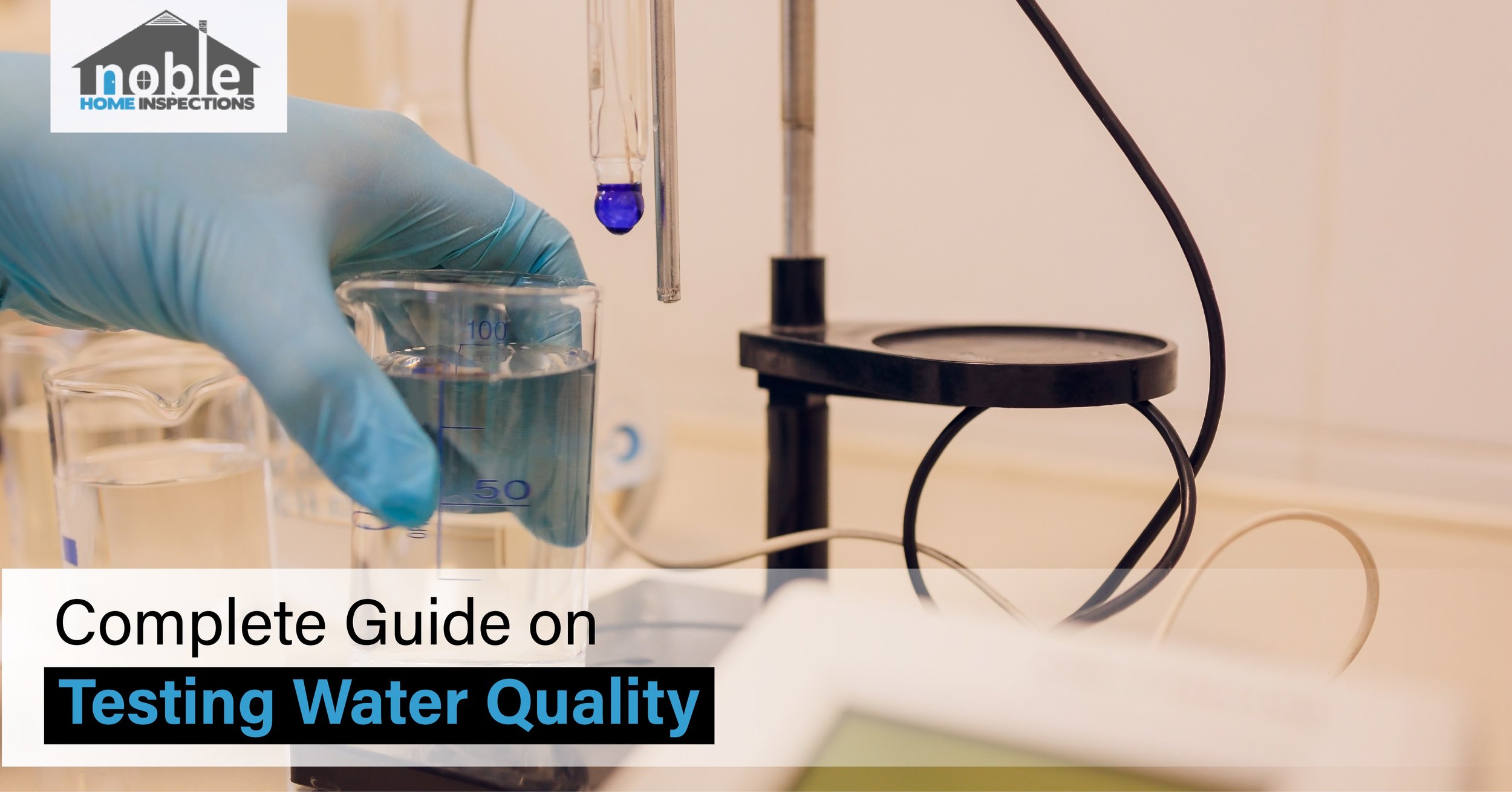 Ultimate Guide to Testing Water Quality | Noble Property Inspections
The real reason to test? Peace of mind
After my stomach rebellion, I finally tested my tap. Turns out, it was fine—just high calcium (hard water). But knowing that? It felt like a weight off my kidneys. I stopped obsessing over every glass, and I even stopped buying bottled water for “special occasions.”
The best part? When your water is good, you can brag about it. “This is my tap water, and it’s certified not gross.” It’s a weird flex, but a valid one. And when it’s not good, you can fix it before it fixes you—quietly, behind your back, long after you’ve forgotten that funny taste.
Don’t wait for your body to tell you
Your body is a terrible quality control lab for water. By the time you taste something wrong, the contamination is already at a level your tongue can detect—which is often way past safe limits. So stop trusting your taste buds. They’re the same ones that thought gas station sushi was a good idea at 2 AM.
Grab a test kit (they’re like $15 online), run it on a Tuesday afternoon, and see what your water’s been hiding. Worst case scenario? You find a problem you can fix. Best case? You drink that glass with the confidence of a person who knows they’re not slowly marinating in lead. And really, isn’t that the hydration glow we all deserve?
