What Does Charcoal Do In Water Filtration

Let’s be real: you probably haven’t given your water filter a second thought since you bought it. That little black cartridge inside? It’s the quiet overachiever of your kitch...
Let’s be real: you probably haven’t given your water filter a second thought since you bought it. That little black cartridge inside? It’s the quiet overachiever of your kitchen. Welcome to the surprisingly cool world of charcoal filtration—a process that’s been around since the ancient Egyptians but feels like modern magic.
The Charcoal Factor: Not Just for BBQ
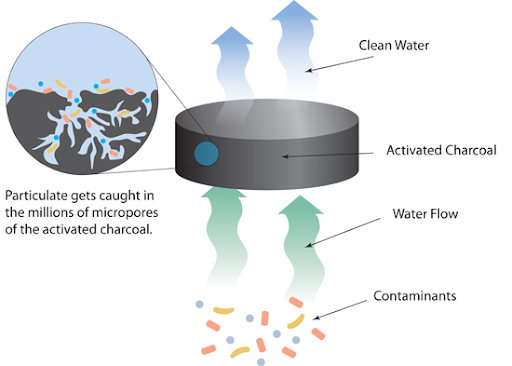
First, let’s clear the air: the charcoal in your filter isn’t the same as the briquettes you use for grilling. That stuff has additives to help it burn. Activated charcoal is a different beast. It’s been heated to extreme temperatures in a low-oxygen environment, creating a surface that’s unbelievably porous.
Picture a single gram of activated charcoal. Now imagine it having a surface area the size of a football field. That’s the secret sauce. Those millions of tiny pores act like a super-efficient magnet for impurities.
Must Read
Fun fact: This process is called adsorption (with a ‘d’), not absorption. The contaminants stick to the surface of the charcoal like guests at a good party—they don’t get sucked inside, they get trapped on the walls. It’s the ultimate clingy situation, but in a good way.
What’s Actually Getting Kicked Out?
Your tap water is a cocktail of minerals, chemicals, and sometimes, pretty unpleasant flavors. Charcoal is a picky bouncer. It targets organic compounds—the stuff that makes water taste like a swimming pool (chlorine) or like a damp basement (volatile organic compounds).
It also excels at removing bad odors, sediment, and some pesticides. Think of it as a deep-cleanse for your H2O. But here’s the honest truth: it doesn’t remove heavy metals like lead, fluoride, or viruses. For that, you need a different system.
Cultural reference alert: Remember that scene in The Martian where Matt Damon makes water from rocket fuel? Real-life NASA uses activated charcoal in their water purification systems for the International Space Station. So yes, you’re basically using astronaut tech to make your morning coffee better.
The Zen of Flow Rate
Ever notice how water goes slower through a new filter? That’s a good sign. The charcoal is doing its job. As the water flows through, it has to make contact with the charcoal’s surface area. Too fast, and the contaminants slip through. Too slow, and you’re waiting forever for a glass.
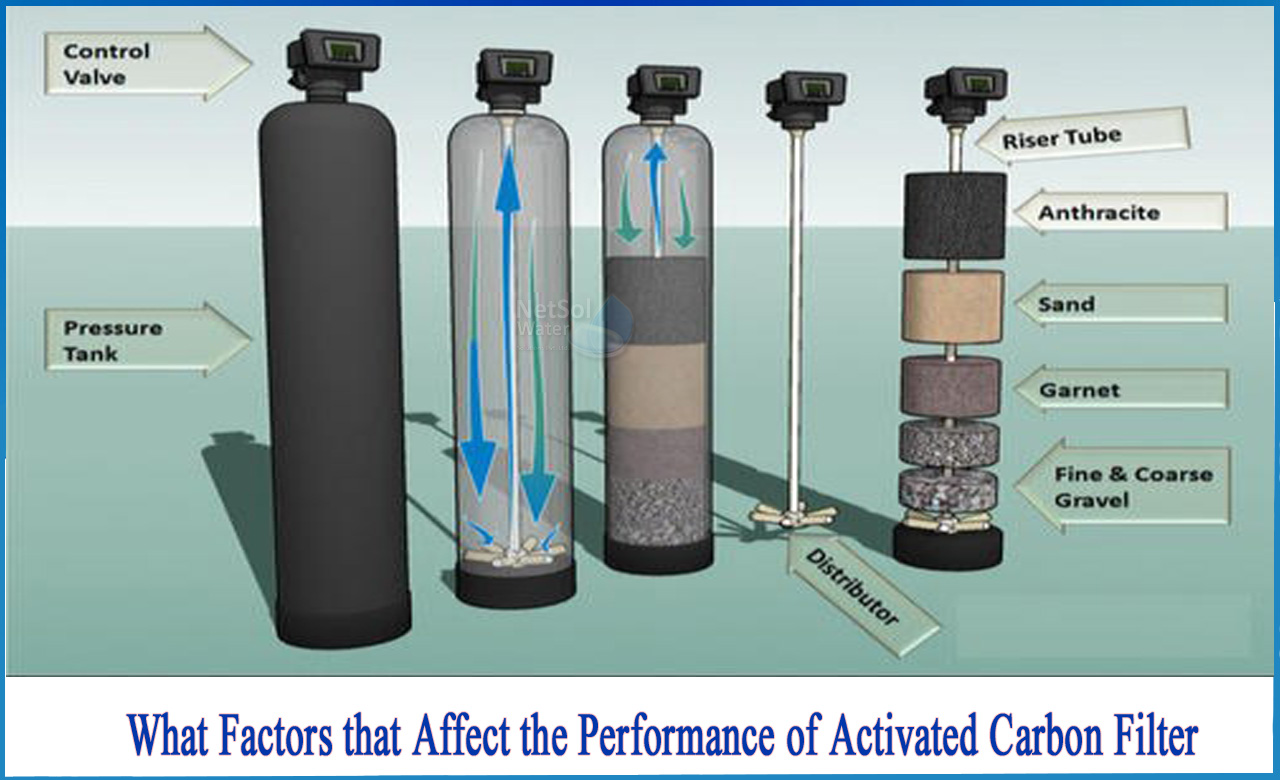
Standard filter pitchers optimize for this. They force water through a dense carbon block or loose granules. Carbon block filters are generally more effective because they’re compacted, offering more contact time and better particle removal.
Practical tip: If your filter pitcher is new, let the first batch of water run through and discard it. That flushes out any loose carbon dust. Your taste buds will thank you.
 Function Of Charcoal In Home Made Filter at Charlie Ortega blog
Why Your Brita Smells Like Old Socks (And How to Fix It)
Here’s the gross truth: activated charcoal is a magnet, but it eventually gets full. When it stops adsorbing, bacteria can start growing on the trapped organic matter. That’s the funky smell you get.
Replace your filter every 2-3 months, no excuses. Even if you don’t use it much, bacteria love a moist, dark environment. Think of it like your gym towel—you wouldn’t use that for three months, would you?
Modern life hack: Write the date you installed the filter on the side with a permanent marker. Keep a calendar reminder on your phone. Your future self—the one with the crisp, tasteless water—will be grateful.
The Eco-Angle: Charcoal as a Guilt-Free Guest
Plastic bottles are environmental kryptonite. Using a charcoal filter at home slashes your single-use plastic habit. Plus, many brands now offer compostable or recyclable charcoal cartridges. It’s a small win for the planet, one glass at a time.
But here’s the kicker: you can also use loose activated charcoal in a glass carafe (like a Berkey or Soma pitcher). It looks elegant on your counter and requires zero electricity. It’s the Danish hygge of water filtration.
Fun fact: Japanese households have used binchōtan charcoal for centuries to purify water. It’s made from white oak and is so prized that it’s often gifted on special occasions. Your water filter? It’s basically carrying on an ancient tradition of mindful hydration.
Three Things Charcoal Cannot Do (So Stop Expecting Miracles)
Let’s bust some myths. Charcoal will not remove fluoride. You need reverse osmosis or a specialized bone char filter for that. It won’t remove dissolved salts (hard water stays hard). And it absolutely will not make your water “alkaline” or “ionized”—those are separate gimmicks.
 Charcoal Water Filtration: Function, Benefits, and System Types - Pick
Does that matter? For most of us, no. The goal is to make water taste better, not to turn it into a wellness tonic. If your tap water tastes clean and fresh, you’re more likely to drink enough. That’s the real health win.
Practical tip: If you have particularly hard water, combine charcoal filtration with a simple water softener or a boiled-and-cooled approach. But for 90% of households, a good charcoal jug does the heavy lifting.
Flavor: The Real MVP
The best thing charcoal does? It makes water taste like nothing. And that’s a huge compliment. Water should be the ultimate neutral backdrop—no chlorine tang, no metallic aftertaste, no musty notes. Charcoal delivers that clean slate.
This matters for cocktails, coffee, and tea. Baristas and bartenders swear by filtered water because it lets the actual flavors of the ingredients shine. A good espresso shot is 98% water. If that water tastes stale, your latte suffers.
Party trick: Host a blind water tasting with your friends. Have them try tap, bottled, and charcoal-filtered water. Most people can pick out the filtered one—and they’ll rave about its “clean” finish. You’ll look like a water sommelier.
The Final Sip: Connection to Daily Life
In a world of over-complicated wellness hacks, charcoal filtration is refreshingly simple. It’s not a cure-all, but it’s a gentle ritual—filling the pitcher, waiting those few minutes, pouring a glass. It’s a pause in your day.
That tiny black filter does more than trap chemicals. It reminds us that sometimes the best solutions are ancient, low-tech, and hiding in plain sight. Slow down, drink clean water, and let the small things work their quiet magic.
Now go fill that pitcher. Your taste buds—and your astronaut-approved filter—are waiting.
