Does A Reverse Osmosis System Remove Lead

So, you’ve heard the buzz about reverse osmosis systems—those fancy under-sink filters that promise to turn your tap water into something you’d actually pay for at a spa. But...

So, you’ve heard the buzz about reverse osmosis systems—those fancy under-sink filters that promise to turn your tap water into something you’d actually pay for at a spa. But the big question is: does a reverse osmosis system remove lead? Short answer? Yes, it does. Longer, funnier answer? Buckle up, because we’re about to dive into the plumbing version of a heist movie, starring your water and a very smug little membrane.
Think of lead in your water like that uninvited guest at a party who won’t leave. It’s toxic, it’s sneaky, and it can mess with your brain—especially if you’re a kid or a pregnant person. Reverse osmosis (or RO, for those of us who love acronyms) is basically the bouncer who shows up and says, “You, sir, are out.” Lead particles are too big to squeeze through the RO membrane’s microscopic pores—we’re talking 0.0001 microns small. That’s like trying to shove a beach ball through a coffee stirrer.
Now, let’s get nerdy—but only for a second. Reverse osmosis works by using pressure to push water through a semi-permeable membrane. Imagine a really picky coffee filter that not only catches grounds but also rejects heavy metals, bacteria, and even some viruses. Lead is a heavy metal, and RO systems are ninjas at kicking it out. According to the Environmental Protection Agency, RO can remove up to 99.9% of lead in water. That’s not a typo. That’s “I’d bet my goldfish’s life on it” levels of effectiveness.
Must Read
But here’s the twist: not all RO systems are created equal. Some cheaper models might have a funny habit of ignoring lead if they’re not maintained. You know what I mean? Like a security guard who takes a nap on the job. If you forget to change the pre-filters or the membrane gets clogged, your lead removal rate might drop faster than your enthusiasm at a Monday morning meeting. So change those filters, folks. Your water’s not the only thing that needs a refresh.
Let’s talk about the elephant in the room—or rather, the giant, bulky tank. RO systems tend to be slightly inefficient, wasting about four gallons of water for every gallon they filter. Yes, you read that right. It’s like your water is on a diet but it’s losing weight by losing all its friends. But modern systems are getting smarter—some now have a “permeate pump” that reduces waste down to nearly 1:1. So you can save the planet while also saving your brain from lead. Win-win.
Worried about cost? An entry-level RO system runs about $200 to $400, plus filter changes every six to twelve months. That’s cheaper than a lifetime supply of bottled water—and definitely cheaper than a lead-poisoning hospital visit. Plus, you get to feel like a mad scientist every time you pour a glass of water from your fancy faucet. “Behold, my purified creation!” No one will stop you.
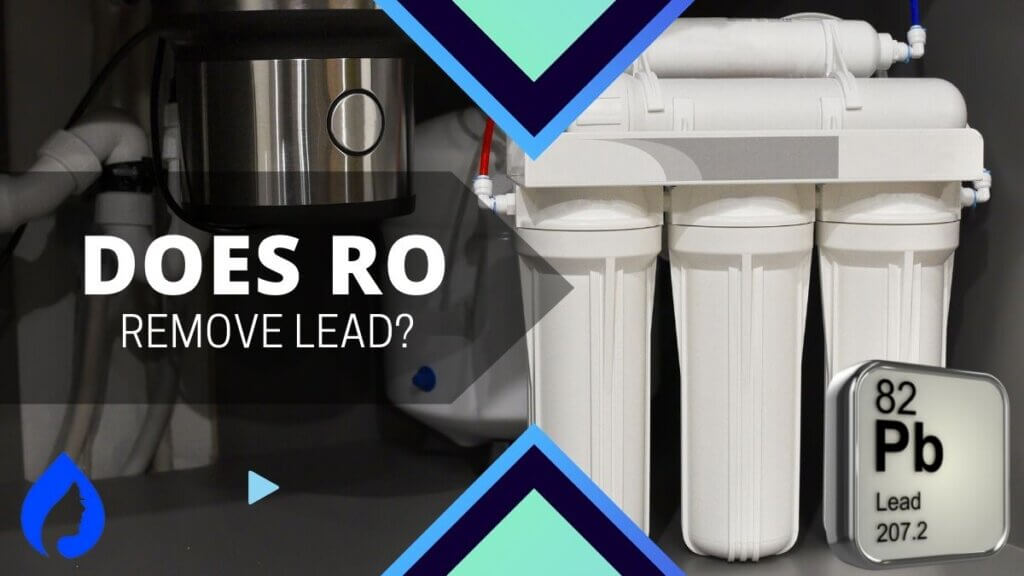 Does Reverse Osmosis Remove Lead From Water? Truth Revealed (2024)
But wait—can RO remove lead if you have old pipes? Oh, absolutely. In fact, it’s practically its superhero origin story. Lead mostly gets into water from corroded pipes, solder, or fixtures made before 2014 (when lead-free laws got stricter). An RO system will happily strip that lead out, but here’s the catch: you need a whole-house system if you shower in lead water. Otherwise, you’re just sipping the good stuff while your skin absorbs the bad. Kidding—mostly.
Now, a surprising fact: RO also removes good minerals like calcium and magnesium. Some people call this “dead water,” but I call it “empty calories for your taste buds.” Don’t panic. You get plenty of minerals from food. Unless you’re a vampire who only drinks water, in which case—my apologies, enjoy your lead-free blood diet.
Here’s another joke you can drop at your next dinner party: “Did you know that reverse osmosis was originally invented for purifying seawater on submarines?” Yes, the same technology that keeps sailors from drinking ocean brine can also keep your toddler from drinking lead. Submarine tech under your sink. How bougie is that?
 Does Reverse Osmosis System Remove Lead From Your Water?
But no system is perfect. If you have extremely high lead levels—like, Flint, Michigan levels—RO might need a little backup. Pair it with a carbon filter or a whole-house sediment filter. Think of it as the Batman and Robin of water cleanup. Robin handles the big chunks; Batman takes out the lead crime syndicate.
In summary: Yes, a reverse osmosis system removes lead, and does it better than a stressed-out filter jug you leave in the fridge. It’s effective, slightly wasteful, and a bit dramatic—but in a good way. Just don’t forget to change the filters, or you’ll be drinking water that’s been through a prison break of lead. Not cool.
So go ahead. Buy the system. Install it. Then stand in your kitchen and whisper, “Clean water is my superpower.” No one will know you’re quoting a plumbing article. Cheers to that.
