Does Reverse Osmosis Remove Microplastics

Hey there, water warrior! So, you’ve heard the buzz about microplastics—those tiny, invisible plastic bits that are basically the confetti of the modern world, but way less fu...

Hey there, water warrior! So, you’ve heard the buzz about microplastics—those tiny, invisible plastic bits that are basically the confetti of the modern world, but way less fun at a party. You’re probably wondering if that fancy reverse osmosis (RO) system under your sink can kick those little pellets to the curb. Grab a glass of water (preferably filtered), and let’s dive in!
What Even Are Microplastics?
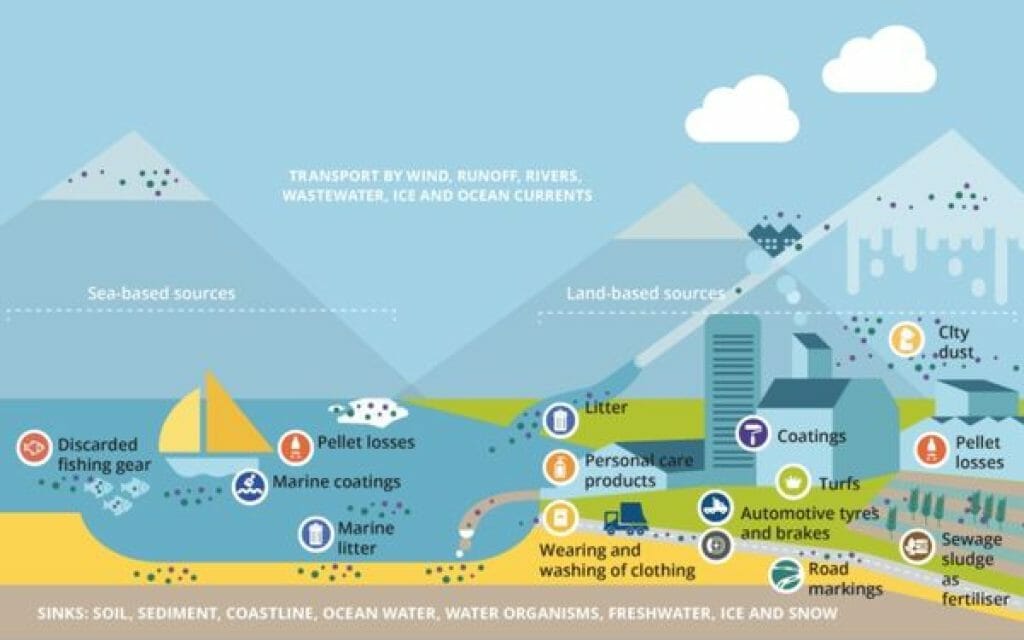
First, a quick science snack: microplastics are plastic fragments smaller than 5 millimeters—think the size of a sesame seed or smaller. They come from everything: your fleece jacket shedding in the wash, plastic bags crumbling in the sun, and even exfoliating scrubs that promised “glow” but delivered a dose of forever trash.
These tiny terrors have been found in the Arctic, in clouds, and yes—in your tap water. If you’re imagining a miniature plastic parade in your drinking glass, you’re not far off. But don’t panic—we’ve got a plan.
Must Read
So, Does RO Actually Banish Them?
The short answer: Yes—pretty much completely. Reverse osmosis is like the bouncer at a super-exclusive club, and microplastics are wearing flip-flops. The RO system uses a semi-permeable membrane with pores so tiny (about 0.0001 microns) that they block nearly everything except pure H₂O.
To put that in perspective: a human hair is about 70 microns wide. A microplastic particle? Usually 1 micron or larger. So RO’s membrane is like a Macy’s Day Parade net catching a single glitter speck—nothing gets through. Studies show RO removes up to 99.9% of microplastics. Take that, plastic!
Even the nano plastics (the really sneaky ones smaller than 1 micron) get the boot. RO doesn’t discriminate—it’s an equal-opportunity removal machine for all tiny invaders.
But Wait—There’s a Catch (Isn’t There Always?)
Okay, so RO is a star player, but it’s not magic. The system wastes some water (about 3-4 gallons for every 1 gallon filtered), which is a bit like paying a cover charge for perfect hydration. You also need to replace the membrane and filters every few years, or your plastic-banishing bouncer gets drowsy.
Oh, and here’s a funny twist: some RO systems themselves contain plastic parts. Ironic, right? But don’t worry—the membrane catches any bits that might shed from the pipes. It’s like the system policing itself. A karma loop!
 ¿La ósmosis inversa elimina los microplásticos?
Are There Other Heroes in Town?
If RO feels too intense for your budget or counter space, you’ve got options. Activated carbon filters (like in Brita pitchers) catch some microplastics, but not all. They’re like a bouncer who checks IDs but lets in a few sneaky teens.
Distillation works too—it boils water and collects the steam, leaving microplastics behind. But it’s slow and uses a ton of energy. Picture a turtle in a sauna: effective, but not ideal for a thirsty household.
For the truly committed, ceramic filters with pore sizes under 0.5 microns can do the job. But honestly, if you want the most fun-per-dollar on microplastic removal, RO is the VIP pass.
What About Bottled Water? (Spoiler: It’s a Trick Question)
You might think, “I’ll just buy bottled water—problem solved!” Oh, sweet summer child. Studies have found more microplastics in bottled water than tap water. Yup, the plastic bottle itself sheds tiny bits right into your drink. It’s like a plastic straw drinking itself.
So if you’re using RO at home, you’re actually avoiding the bottled-water plastic problem. Plus, you save money and the planet. Win-win-win!
How to Make RO Even Epic-er
Want to be a microplastic-fighting legend? Pair RO with a pre-filter (like a sediment filter) to catch larger particles first. That way, the RO membrane lasts longer and works even better. Think of it as a warm-up act for your main event.
 Does Reverse Osmosis Remove Microplastics?
Also, flush your system regularly according to the manual. A happy RO system is a relentless microplastic destroyer. And remember to recycle those old filters—even the waste should be wasted responsibly!
The Funny Truth
Here’s the kicker: you might already be eating a credit card’s worth of plastic every week (seriously—studies say we ingest about 5 grams, the weight of a credit card). But that’s mostly from dust, air, and food, not your water. So if you switch to RO, you’re saving at least one part of your body’s plastic collection. Cheers to fewer plastic accessories in your bloodstream!
And let’s be real—microplastics are everywhere. We can’t avoid them entirely. But RO is like putting a tiny force field around your drinking glass. It’s not perfect, but it’s pretty darn close to a superhero cape for your hydration.
Uplifting Conclusion: You’ve Got This
So, does reverse osmosis remove microplastics? Yes, and it does it with style. You can sip your clean, crisp water knowing you just defeated billions of invisible plastic invaders. You’re basically a microscopic gladiator.
And look, the fight against plastic pollution is bigger than any one filter. But every time you choose RO water over bottled or unfiltered tap, you send a little ripple of good into the world. You’re not just drinking water—you’re voting for a cleaner planet. And that’s delicious.
So go ahead, fill that glass. Smile at the microplastics you’ll never meet. And remember: in a world full of plastic, be the person who drinks like a boss. Cheers to you, water warrior—you just crushed it.
