How Does A Water Purification System Work

So, you’re standing in your kitchen, staring at a glass of tap water. It looks fine, right? Crystal clear. But wait—what if it’s packing tiny, invisible hitchhikers? Chlorine,...
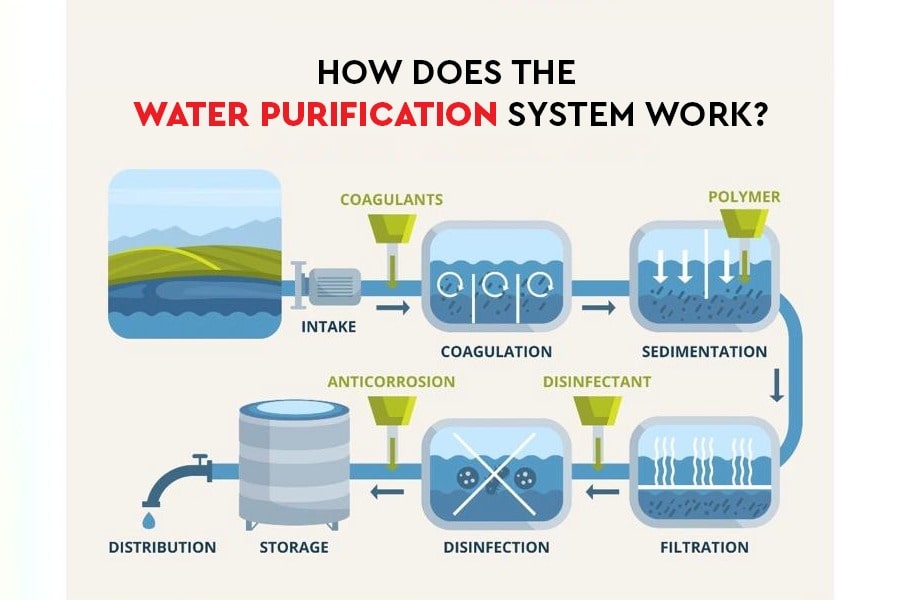
So, you’re standing in your kitchen, staring at a glass of tap water. It looks fine, right? Crystal clear. But wait—what if it’s packing tiny, invisible hitchhikers? Chlorine, lead, or worse, the ghost of last week’s pasta water? That’s where a water purification system comes in. It’s like a bouncer for your hydration, kicking out the riffraff before they hit your glass.
Let’s spill the tea—or, uh, the H2O. How does this magic box even work? Buckle up, because we’re about to dive into the science. Don’t worry, it’s way more fun than your high school chemistry class.
Step One: The Big Stuff Gets the Boot
First up, sediment filtration. Think of it as the velvet rope at a nightclub. No grit, no sand, no rust flakes allowed. A mesh screen catches particles you can see—like dirt from old pipes. It’s simple, but it saves your faucet from looking like a mudslide.
Must Read
Ever seen a coffee filter after a brew? Greasy, right? Yeah, same vibe here. This step keeps your water from tasting like a construction site. Your taste buds will thank you later.
Step Two: Meet the Carbon Superstar
Now we get to the activated carbon filter. This is the VIP section—the real MVP. Carbon is like a sponge on steroids, grabbing chlorine, bad odors, and funky tastes. It’s why your water stops smelling like a swimming pool.
Here’s the wild part: carbon works via adsorption. Not absorption (I know, sneaky spelling). Impurities stick to the carbon’s surface like glitter on a toddler’s craft project. Poof! Your water is now less “municipal” and more “mountain spring.”
Step Three: The Microbe Police
What about the invisible nasties? Bacteria, viruses, protozoa—they’re the uninvited party crashers. Enter reverse osmosis (or RO, for the cool kids). This uses a semi-permeable membrane. Picture a bouncer so strict, only water molecules slip through. Everything else? Politely but firmly rejected.
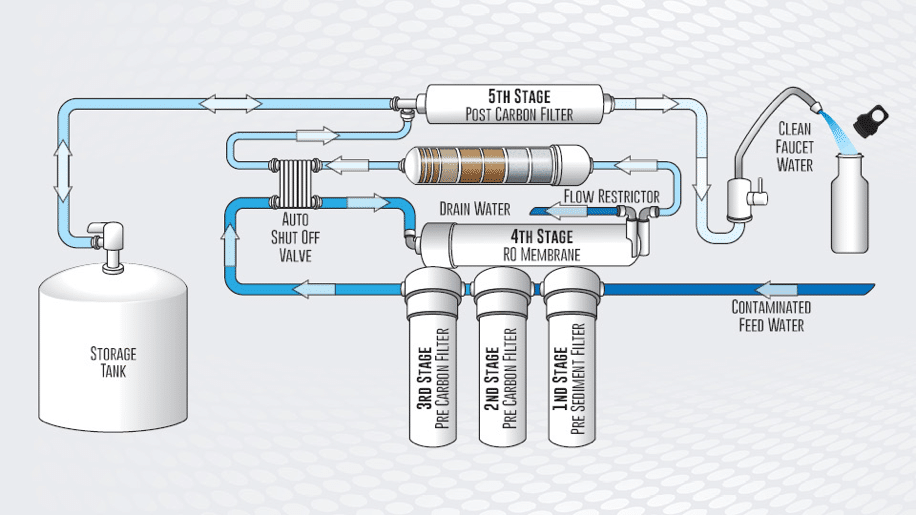 How Does A Reverse Osmosis Water Purification System Operate at Grant
RO systems are drama queens, though. They push water through with pressure, wasting a bit down the drain. But hey, you want pristine water? Embrace the trade-off. Your gut bugs will be so bored they’ll start a book club.
Wait, There’s More? Ultraviolet Light
Some systems go full Tony Stark with UV light. It’s like a tanning bed for your water, but for germs. UV zaps DNA, making bacteria sterile. They can’t party, they can’t reproduce—they’re basically water zombies without the hunger.
It’s overkill? Maybe. But when you’re camping or dealing iffy tap, you want the nuclear option. Plus, it adds zero weird aftertaste. Just pure, lifeless (in a good way) water.
Step Four: The Polish (For Perfectionists)
Last stop? A polishing filter. This is the barista who adds a foam mustache to your latte. It catches any stragglers—carbon dust or teeny minerals. You’re basically delivering a water that’s sent to finishing school.
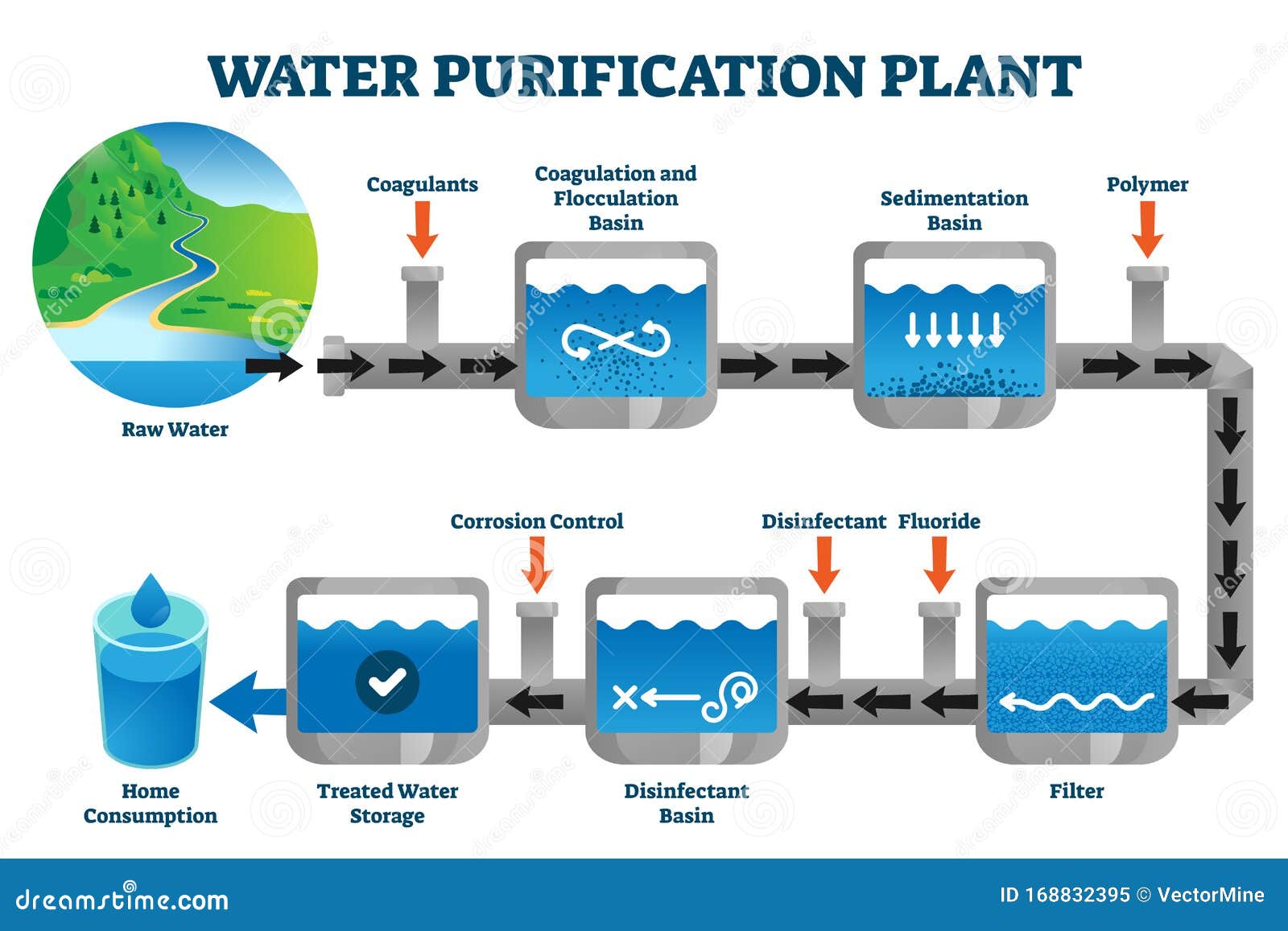 Uv Water Purification Diagram
Some systems skip this, but why would you? It’s the difference between a good date and a great one. Your water emerges so crisp, it practically winks at you.
So, is a whole-house system overkill? Maybe. A pitcher filter? Totally fine. But here’s the thing: no matter the system, the goal is the same. You want water that’s safe, tasty, and not secretly housing a EPA report.
Honestly? The tech is smarter than me. I still forget to change my Brita filter on time. But when I do? Heaven. That first glass tastes like a victory lap for my kidneys. And yours, too.
So go ahead—sip fresh. Your bouncer (the system) is on duty. And it’s not afraid to throw out the trash.
