How Much Does It Cost To Drill A New Well

Let’s be real for a second: most of us don’t think about where our water comes from until the faucet starts sputtering like a tired old engine. You turn the knob, cross your f...
Let’s be real for a second: most of us don’t think about where our water comes from until the faucet starts sputtering like a tired old engine. You turn the knob, cross your fingers, and hope for the best. If you’re on city water, it’s someone else’s headache. But if you’re out in the country or thinking about building that dream home on a patch of woods, drilling a well becomes a very real, and slightly mysterious, financial question.
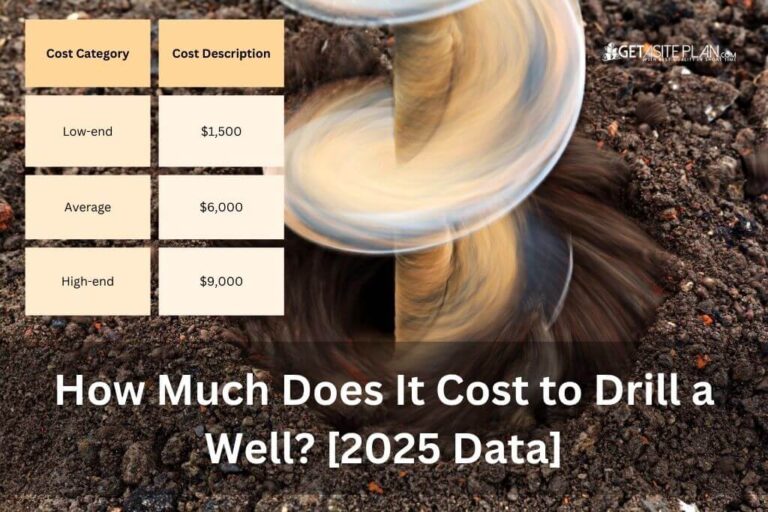
So, how much does it cost to drill a new well? Grab a cup of coffee, because the answer is like a pizza—it depends on the toppings, the size, and where you live. But generally, you’re looking at a bill that can range from $3,000 to $15,000, with the average sweet spot around $5,500 to $10,000. That’s sticker shock for some, but remember: this hole in the ground will serve you for decades.
It’s Not Just a Hole in the Dirt
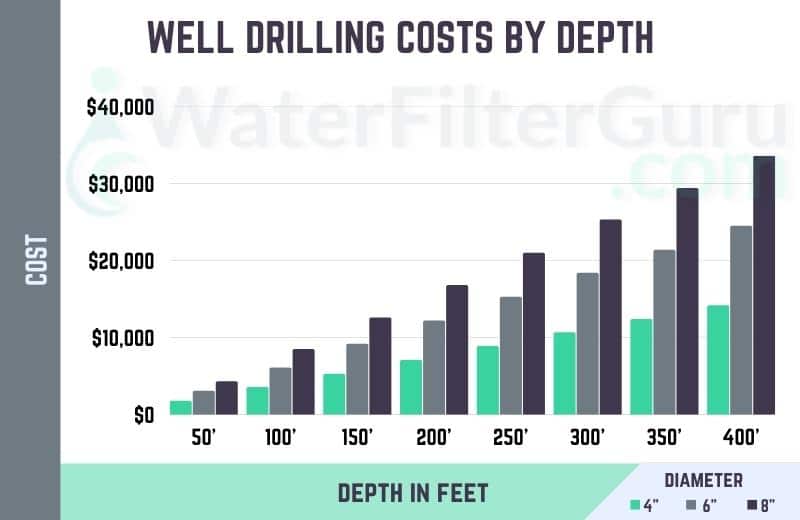
Imagine your water supply is like a deep, secret bank vault underground. Drilling is the process of tunneling down to that vault. The cost is mostly driven by depth—how deep you have to go to hit a good, steady flow of water.
Must Read
In some lucky areas, you might hit a gusher at 100 feet, costing around $2,000 to $5,000. In other places, like rocky hillsides or dry plains, you might have to go 400 feet or more, and that can easily climb past $12,000 before you even turn on the pump. It’s like ordering a coffee—a small drip is one price, a giant venti latte with extra foam is quite another.
What’s in the Fine Print?
Here’s where it gets real, folks. The drilling cost is only the headline. You also have to pay for the pump, the casing (the pipe that lines the hole), and the pressure tank that sits in your basement. That’s like buying a car but forgetting you need tires and an engine.
Expect those extras to add $1,500 to $3,000 to your total. A good contractor will give you a “turnkey” price, but always ask: “Does that include the pump and the electrical hookup?” If they hem and haw, run the other way.
The “Surprise! It’s a Rock” Factor
Let me tell you about my buddy Tom. He budgeted $7,000 for his well. Day one, the drill hit a massive boulder at 30 feet. The drill bit snapped. The contractor had to bring in a special hammer drill. Tom’s final bill? $11,500.
![How Much Does It Cost to Drill a Well? [2025 Data] - Get A Site Plan](https://getasiteplan.com/wp-content/uploads/2024/12/well-drilling-price-range-per-foot-600x432.jpg) How Much Does It Cost to Drill a Well? [2025 Data] - Get A Site Plan
How Much Does It Cost to Drill a Well? [2025 Data] - Get A Site Plan
Mother Nature doesn’t care about your budget. Hard rock costs extra. Emergency repairs cost extra. Running a water test to make sure it’s not full of iron or sulfur? That’s another $100 to $300. It’s like buying a lottery ticket, except you always win water—you just might pay a bit more for the win.
Why Should You Care? (Hint: Money Doesn’t Grow on Trees, But Water Does)
Here’s the part that makes you smile even as you open your wallet: a well means free water forever. No monthly water bill. No restrictions on watering your prize-winning petunias. No panic when the town announces a water main break on a Saturday.
If you live in an area with high city water rates, your well can pay for itself in 5 to 10 years. Think of it as buying a lifetime supply of hydration up front. Plus, well water usually tastes amazing—like nature’s own spring water, straight from the earth’s fridge.
But Wait, There’s More!
Your property value gets a nice boost too. A home with a good, deep well is more desirable than one on a shared or old, rusty system. Realtors love it. Appraisers love it. Your future self, who will never have to haul a jug of water from the grocery store, will also love it.
 How Much Does a Well Cost? (2024 Well Drilling Cost Guide)
It’s also a life raft during droughts or emergencies. When the power goes out, you can run a generator and still have water for showers, toilets, and cooking. Your neighbors will look at you like you’re a wizard.
How to Avoid a Financial Headache
Get at least three quotes. Do not just pick the cheapest guy with a truck. Ask for references from recent jobs in your area. A good driller knows the local geology like a barista knows your coffee order.
Also, ask about guarantees. Many drillers will guarantee a minimum flow rate, like 5 gallons per minute. If they don’t hit it, they might discount the price. It’s like a “no surprises” policy, which is the best kind of policy.
The Bottom Line (The One That Makes You Nod)
Drilling a new well is an investment, not just an expense. It’s a promise of independence, a quiet rebellion against monthly bills, and a cool, refreshing glass of certainty on a hot summer day. Yes, it costs a few thousand dollars upfront. But every time you fill up that glass without a meter ticking, you’ll feel a little flicker of joy.
So, strap on your boots, do your homework, and get that water flowing. Your future self—the one taking a long, guilt-free shower—will thank you.
