How To Prevent Calcium Buildup On Faucets

Let’s be honest: nothing kills a gleaming kitchen vibe faster than a faucet that looks like it’s been dipped in chalk. That white, crusty buildup is called limescale, and it’s...
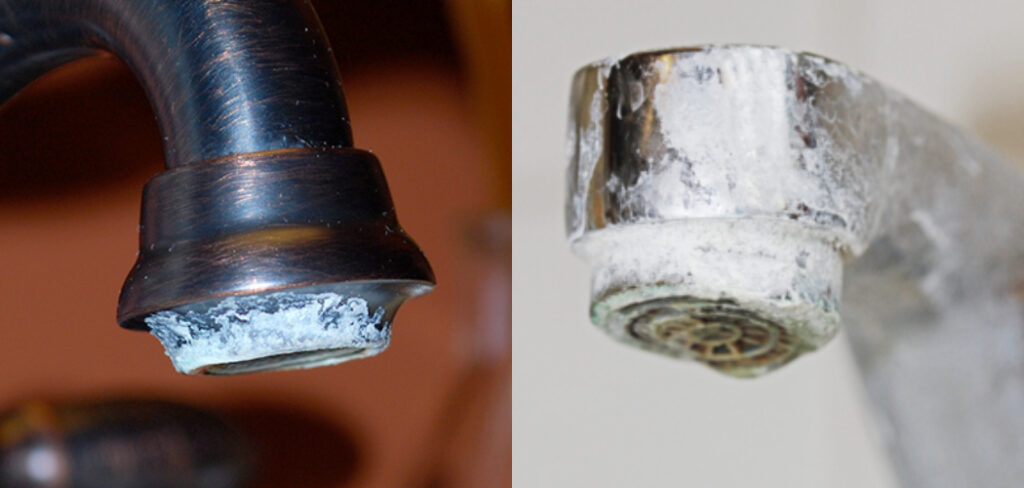
Let’s be honest: nothing kills a gleaming kitchen vibe faster than a faucet that looks like it’s been dipped in chalk. That white, crusty buildup is called limescale, and it’s basically nature’s way of reminding you that your water is rich in minerals. Think of it as the unwanted souvenir from your tap’s daily performance.
But here’s the good news: you don’t need to live with it. Preventing calcium buildup is less about harsh chemicals and more about a few clever habits. We’re talking about a lifestyle shift that’s as easy as your morning coffee ritual.
The Science of the Scum (a.k.a. Why It Happens)
Calcium and magnesium in hard water don’t just disappear when they hit the air; they precipitate, forming a solid crust. Think of it like a tiny, unwanted sculpture park on your spout. The hotter the water, the faster these minerals set—like a bad concrete pour.
Must Read
This isn’t a sign of poor cleaning; it’s a sign of geometry. The water evaporates, leaving the minerals behind. It’s the same process that creates stalactites in caves, only less romantic and more annoying to scrub.
Tip #1: The Towel-Touch (It’s a Game Changer)
The most effective prevention is also the laziest: dry your faucet after every use. I know, it sounds like a chore, but it takes exactly three seconds. Keep a small, dedicated microfiber cloth near the sink and give the spout a quick wipe after washing your hands or dishes.
This simple act prevents water droplets from evaporating and leaving their mineral ghosts behind. It’s the same principle as drying your pans to prevent water spots—only here, you’re saving your faucet from a slow, chalky death. Consider it an act of immediate gratitude toward your hardware.
Tip #2: The Vinegar Mist (Your New Best Friend)
White vinegar is the unsung hero of the modern home—cheap, non-toxic, and scientifically proven to dissolve calcium carbonate. Fill a small spray bottle with equal parts white vinegar and water. Once a week, give your faucet a light spritz.
Let it sit for about five minutes, then wipe it off with a damp cloth. Do not use abrasive scrubbers; they’ll scratch the finish and make future buildup worse. It’s like giving your faucet a gentle, weekly detox—no harsh scrubbing required.
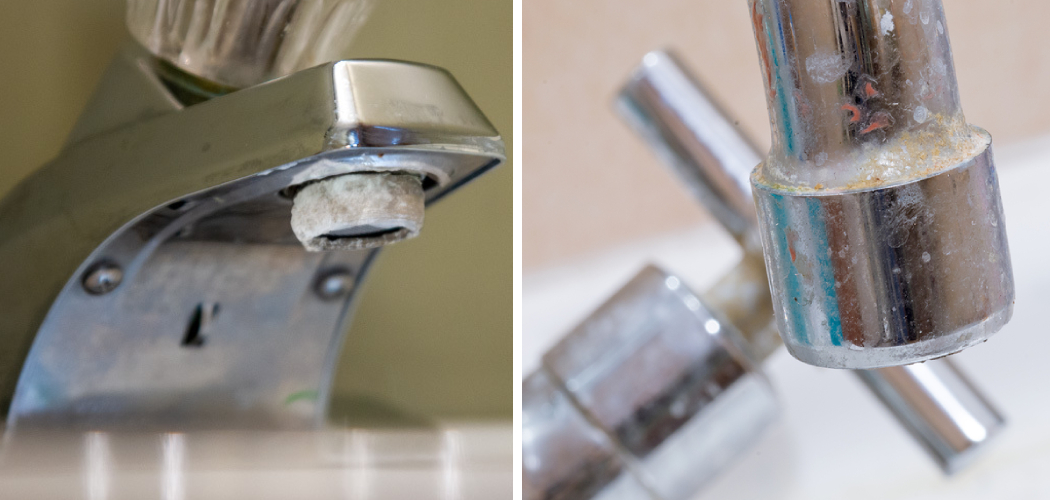 How To Get Rid Of Calcium Buildup In Sink at Gabriel Dawn blog
Cultural Observation: The French Approach
In Paris, where the water is famously hard, locals often use a chiffon doux (a soft rag) and a simple solution of citric acid—another mineral-dissolving miracle. They’ve turned faucet care into a quiet, almost meditative routine. Maybe there’s a lesson in slowing down to prevent messes before they start.
Think of it as the Marie Kondo of faucets: if the buildup doesn’t spark joy, prevent it from existing in the first place. A little daily attention beats a weekend battle with a scrub brush every time.
Tip #3: The Lemon Peel Hack (Fancy & Functional)
After you squeeze a lemon for your morning drink, don’t toss the peel. Rub the pithy side directly onto your faucet’s surface. The citric acid will gently break down any nascent scale, and the oil will leave a nice shine.
This works especially well on chrome and stainless steel. Just rinse with water afterward to prevent stickiness. It’s a zero-waste, multi-tasking move that makes you feel like a culinary sustainability guru in your own kitchen.
The Secret Weapon: A Water Softener
If you live in a region with notoriously hard water—like the American Southwest or much of the UK—you might want to invest in a whole-house water softener. This system swaps calcium and magnesium for sodium ions, making the water feel silkier and preventing buildup on everything from pipes to your kettle.
 How to Prevent and Remove Calcium Buildup on Faucets - Touchless Faucets
Yes, it’s a bigger investment, but it saves you from constant scrubbing and extends the life of your appliances. Think of it as preventative healthcare for your home’s plumbing—a little upfront cost for a lot of future peace of mind.
Fun Fact: Limescale Has a (Mildly) Upside
Did you know that hard water is actually good for your bones when you drink it? The same calcium that forms crust on your faucet is essential for your health. So, while you’re battling the buildup, remember that you’re probably getting stronger teeth and bones from that same water.
It’s a little cosmic irony: the mineral that annoys you on your sink is the same one that keeps your skeleton intact. Just don’t drink from the faucet’s crusty nozzle—that’s just aesthetics.
A Short Reflection for Your Daily Life
Preventing calcium buildup isn’t really about the faucet; it’s about the rhythm you create around small tasks. That two-second towel wipe is a tiny, intentional pause in your day. It’s a chance to notice the shine of a clean surface before you rush off to the next thing.
And isn’t that the secret to a smoother life? A little prevention, a lot of consistency, and a dash of gentle care. Your faucet—and your mornings—will look brighter for it.
