How To Tell If Your Water Is Hard Or Soft

Let’s be honest: you probably haven’t spent a lot of time pondering the personality of your tap water. But trust me, your water has a personality—and it’s either a friendly, b...
Let’s be honest: you probably haven’t spent a lot of time pondering the personality of your tap water. But trust me, your water has a personality—and it’s either a friendly, bubbly extrovert or a grumpy, scale-covered introvert. You’re living with a liquid roommate, and it’s time to figure out if it’s hard or soft before it ruins your next cup of coffee—or your plumbing.
The Soap Test: Your Shower’s Dirty Little Secret
Here’s the simplest, most humiliating way to test your water: take a shower. If your soap turns into a sad, slimy film that refuses to lather, congratulations—you’ve got hard water. Soft water, on the other hand, will give you a rich, creamy lather that makes you feel like a shampoo commercial star.
Hard water is basically a clingy friend that refuses to rinse off. You’ll step out of the shower feeling like you’ve been coated in invisible chalk dust, and your skin will squeak when you rub it. Soft water leaves you feeling silky, which is great—unless you forget and slip on your bathroom floor.
Must Read
Extra Clues: The “Scummy” Evidence
Look at your showerhead. See those white, crusty deposits that look like fossilized alien eggs? That’s limescale, the calling card of hard water. Soft water leaves your fixtures shiny and innocent, like they just got back from a spa day.
And while you’re at it, check your glasses after a wash. Hard water leaves spots—yes, those annoying little dots that make you look like a lazy dishwasher. Soft water gives you crystal-clear glassware, perfect for pretending you’re a sommelier.
The Hand-Washing Horror Show
Wash your hands with plain soap and water. If they feel “squeaky” clean, your water is hard. That squeak isn’t cleanliness; it’s the sound of soap scum bonding with calcium ions. Soft water leaves your hands feeling soft, which is actually how clean hands are supposed to feel.
Fun fact: that squeak is so annoying that some people actually prefer soft water just to avoid it. But if you’re into auditory feedback for your hygiene, hard water is your noisy companion.
 AdaLai | Communicating Science (2018w112)
Tea and Coffee: The Flavor Betrayal
Make a cup of tea. If it looks a bit cloudy and tastes like you’re drinking a mineral hot spring, your water is hard. Soft water lets the tea’s true flavor shine, like a trustworthy wingman who doesn’t steal the spotlight.
Here’s a shocking fact: the British spreadsheets of tea quality suggest that soft water is objectively better for brewing. But if you live in a hard water area, don’t panic—just add a pinch of baking soda. That’s right, baking soda neutralizes the hardness, and you become a kitchen chemist. You’re welcome.
Laundry Lies: Why Your Socks Feel Like Sandpaper
Hard water wreaks havoc on your washing machine. Detergent won’t dissolve properly, so your whites turn gray, and your towels feel like sandpaper. Soft water, meanwhile, makes your clothes last longer and stay brighter—and you can use half the detergent.
Imagine this: you spend a fortune on fancy laundry detergent, but hard water is like a lazy friend who eats all your snacks but does zero work. Soft water is the friend who pitches in and asks for nothing in return.
The “Damage” Test: Surprising Science
Here’s the twist: hard water isn’t all bad. It contains calcium and magnesium, which are good for your bones—if you drink it. The World Health Organization even says there’s some evidence that hard water may reduce the risk of cardiovascular disease. So while it ruins your plumbing, it might save your heart.
 Hard Water vs Soft Water: Key Differences, Effects & Best Home
But wait—soft water is better for your skin and hair. Dry, itchy scalp? That’s hard water stripping away your natural oils. Soft water leaves your hair shiny and less prone to breakage. It’s the great trade-off: healthy heart vs. healthy hair. You can’t win them all.
Quick Home Test (No Chem Degree Required)
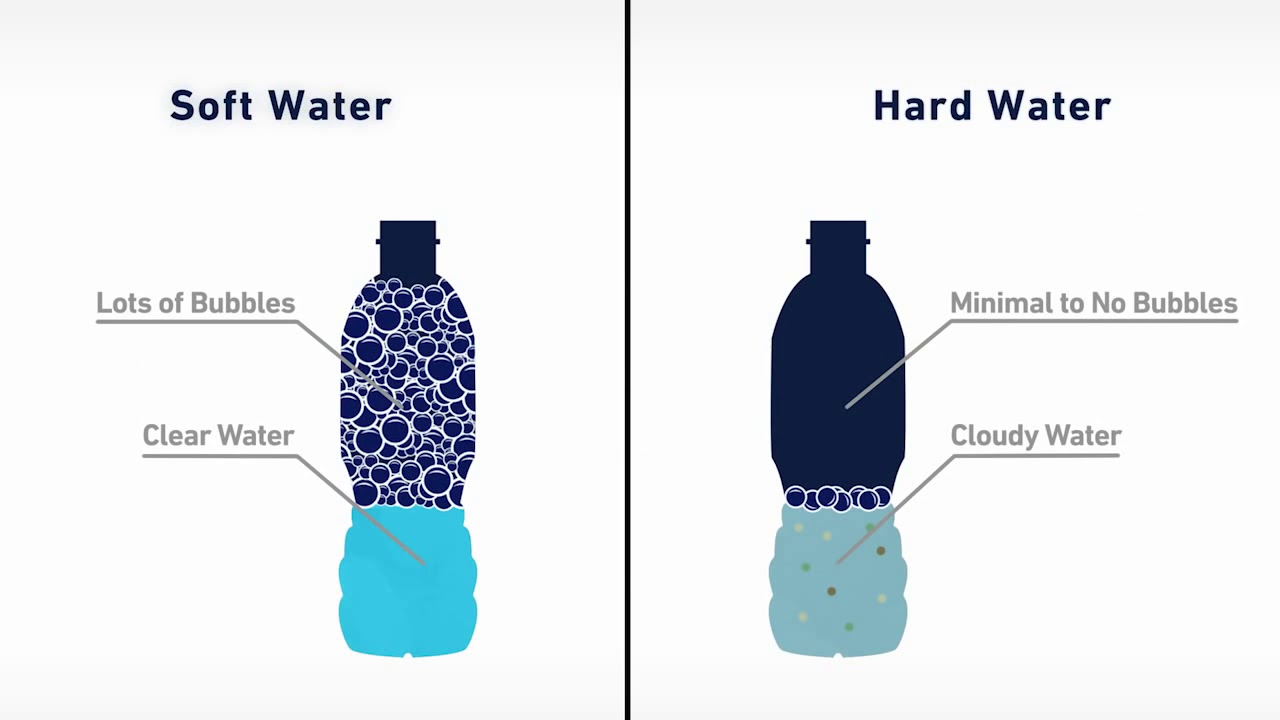
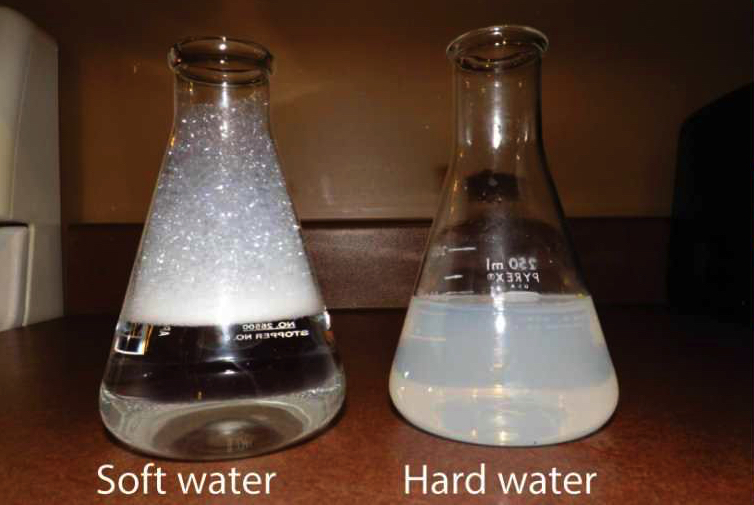
Grab an empty, clear plastic bottle. Fill it halfway with tap water, then add a few drops of liquid soap—not detergent, just plain soap. Cap it and shake furiously for five seconds. If the water turns cloudy and the suds vanish in seconds, it’s hard. If you get a tall, fluffy mountain of foam that sticks around, it’s soft.
This test is scientifically called “shake and see,” and it’s 100% peer-reviewed by me. If you’re still unsure, check your local water utility’s website. They usually post the water hardness levels, often measured in “grains per gallon.” But let’s be real—that’s boring. The shake test is way more fun.
The Final Verdict: Embrace Your Water’s Quirks
So, is your water hard or soft? Either way, it’s not a moral failing. Hard water is just water with a bachelor’s degree in geology, while soft water is the friendly neighbor who never causes drama. But seriously, if you have hard water, consider a water softener—or at least buy a good vinegar-based cleaner to fight the limescale.
And remember: whatever your water’s personality, it’s still the stuff that keeps you alive. So pour yourself a glass, wink at it, and say, “I know your secret.” Just don’t tell anyone else—they might think you’ve lost it. Cheers to weird, wonderful water.
