Why Is Calcium Chloride In Bottled Water

So, you’re chilling on the couch, sipping your favorite bottled water, and you glance at the ingredients label. And boom—there it is: Calcium Chloride. Your brain immediately...
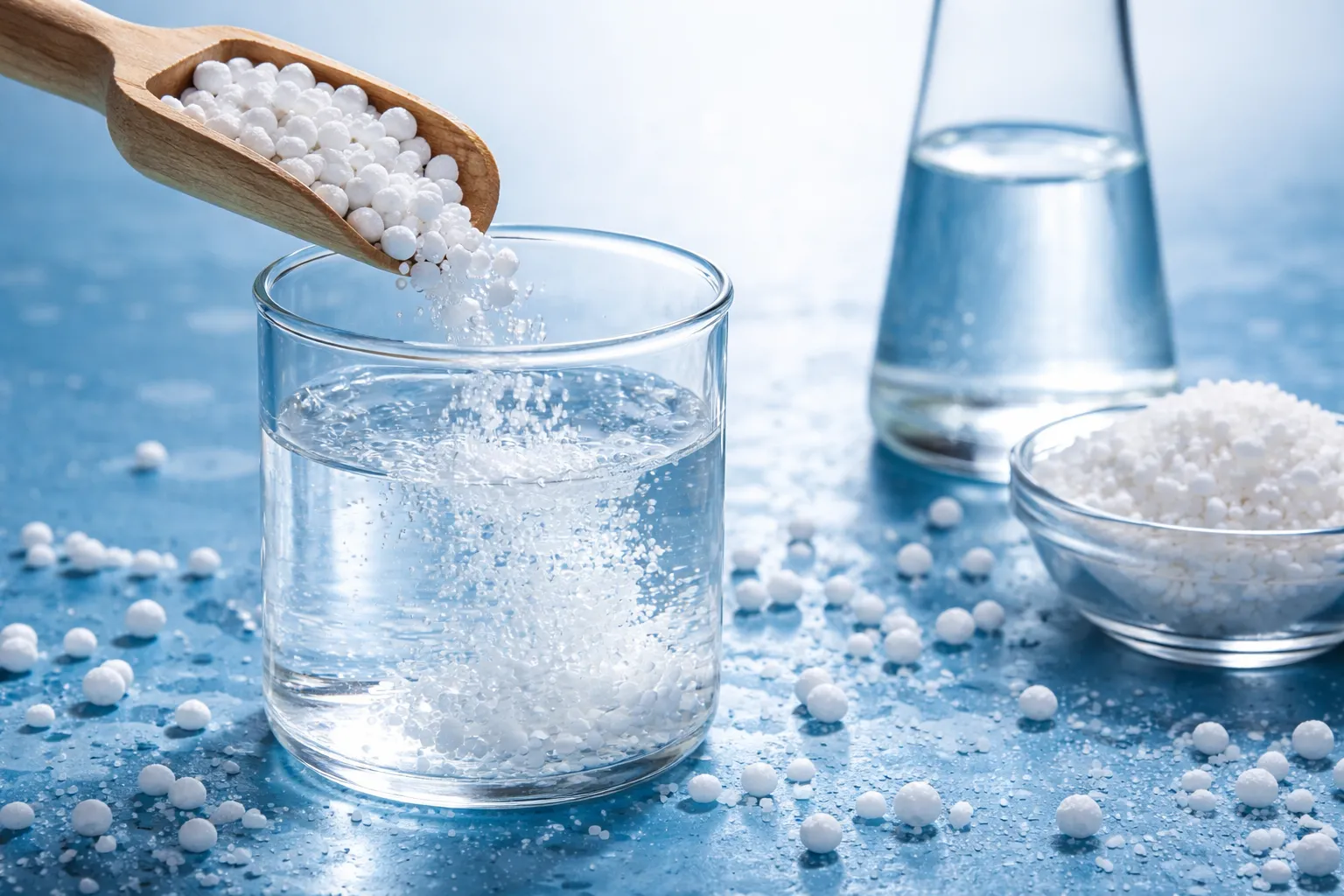
So, you’re chilling on the couch, sipping your favorite bottled water, and you glance at the ingredients label. And boom—there it is: Calcium Chloride. Your brain immediately goes, “Wait, isn’t that the stuff they put on icy roads? Why is it in my drink?” Don’t panic. You haven’t accidentally bought a bottle of de-icer.
Let’s clear the air: Calcium Chloride in water is totally safe—and actually, it’s a bit of a hero. Think of it as the quiet friend who makes everything better without stealing the spotlight. Here’s the real scoop on why it’s in your H2O.
It’s All About the Taste, Baby
Ever drink water that feels “flat” or tastes a little sad? That’s the lack of minerals. Pure, distilled water is like a blank white wall—boring and kind of lifeless. Calcium chloride adds a tiny mineral kick that makes water taste crisp and refreshing.
Must Read
It’s like adding a pinch of salt to a cookie recipe. You don’t taste the salt, but everything suddenly pops. Water companies add it to bottled water so your tastebuds go, “Ooh, that’s good water!” instead of, “Meh, it’s okay.”
Next time you chug a bottle of spring water, thank calcium chloride for making you feel like a fancy spa guest. (You’re welcome, tastebuds.)
Electrolytes: Fancy Word for “Helper Minerals”
You’ve heard athletes talk about electrolytes like they’re magical potion ingredients. Well, calcium chloride is a powerhouse source of two key electrolytes: calcium and chloride. Your body uses these for nerve signals, muscle movement, and keeping your hydration levels balanced.
Without enough calcium, your muscles might cramp up during a yoga session—or worse, while you’re reaching for the TV remote. So, that little sprinkle of calcium chloride in your water is like a tiny, invisible pep talk for your muscles. “You got this, hamstring!”
It’s also why you see it in sports drinks and rehydration solutions. Basically, it helps your body hold onto water better. Drink up, you magnificent hydration machine.
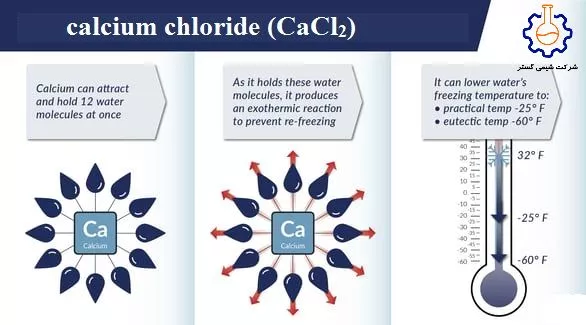 Calcium Chloride Molecule
The Secret Life of Calcium Chloride
Now, a quick science-y bit—don’t worry, I’ll keep it painless. Calcium chloride is a salt made from, you guessed it, calcium and chlorine. When it dissolves in water, it breaks into positive calcium ions and negative chloride ions. Those charged particles are what our cells love.
It’s also hygroscopic, which means it loves grabbing water molecules. That’s why it’s used to melt ice—it pulls water out of the ice, making it slushy. But in your bottle, it just hangs out, being a friendly dissolver and making the water mineral-rich.
Think of it as the water world’s version of a hug. It’s a salt, but it’s the good kind of salty—like your grandma’s cooking, not like that one guy who ruins movie quotes on social media.
Is It Really Safe? (Spoiler: Yes)
If you’re still worried, let me put your mind at ease. The amount of calcium chloride in bottled water is tiny—like, a pinch per gallon. The FDA and health agencies around the world give it a big thumbs up. It’s generally recognized as safe (GRAS, in food-geek speak).
In fact, you’ve been eating calcium chloride for years without knowing it. It’s in pickles (to keep them crunchy), cheese (to help it curdle), and even in some canned veggies. If it’s safe enough for pickles, it’s safe enough for your water bottle.
 Why do they put calcium chloride in drinking water? - The Daily Insight
So no, you’re not drinking road salt. You’re drinking scientifically-enhanced, yummy water. High-five, science.
The Plot Twist: Some Waters Don’t Need It
Not every bottled water brand adds calcium chloride. Some natural spring waters already have enough minerals—they’re like the “already got it together” friend. But most purified or distilled waters need a little boost to mimic that mountain-spring taste.
It’s the difference between a blank canvas and one with a few splashes of gorgeous watercolor. Calcium chloride is the artist’s brush here. And the best part? It doesn’t add any calories, weird flavors, or funky smells. Just pure, satisfying hydration.
Next time you see it on a label, you can nod knowingly and say, “Ah, yes. The secret of excellent sip-ability.” Feel free to say it out loud—it’s a great conversation starter at parties.
Water You Waiting For?
Here’s the final takeaway: Calcium chloride is not the enemy. It’s a helpful little mineral that makes your water taste better, keeps your body’s electrical signals buzzing, and helps you stay hydrated like a champ. It doesn’t judge you for drinking straight from the bottle at 2 a.m. It just gets the job done.
So go ahead, take another sip. Feel that crisp, clean taste? That’s calcium chloride doing its quiet, heroic thing. You’ve got a secret ingredient in your water, and now you’re in on it. You’re practically a hydration expert. Drink up, smile, and remember: sometimes the best things in life are a little bit salty—in the best possible way.
