Why Is The Water In My Toilet Tank Brown

You flush, you walk away, and then you notice it: a strange, rusty hue staring back at you from the bowl. But wait—it’s not the bowl itself; it’s the water in the tank behind...
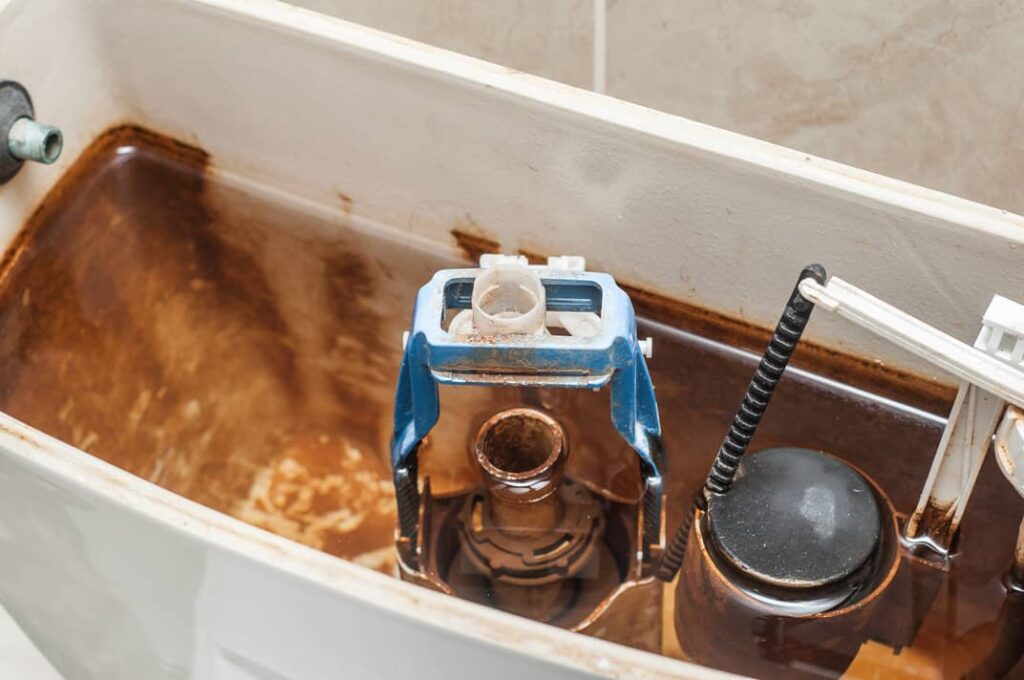
You flush, you walk away, and then you notice it: a strange, rusty hue staring back at you from the bowl. But wait—it’s not the bowl itself; it’s the water in the tank behind it. Brown water? In your toilet tank? That’s a little weird, right? Don’t panic, though—it’s actually pretty cool when you dig into why it happens.
First, a Little Detective Work
Think of your toilet tank as a secret reservoir. It’s a quiet, dark place where water hangs out until you give it the order to flush. That brown color isn’t a sign of alien invasion or a plumbing apocalypse—it’s usually just minerals or rust having a secret party.
Your water supply isn’t perfectly pure. It carries tiny particles of iron, manganese, or even sediment from old pipes. When these particles settle in your tank, they oxidize—kind of like how a cut apple turns brown. Pretty neat, huh?
Must Read
The Iron Connection
Iron is the most common culprit. If your water has a lot of dissolved iron, it can start to rust once it hits the air inside the tank. That brown tint is basically liquid rust—think of it as your toilet tank’s version of a vintage car getting a patina. It’s not harmful, but it sure looks dramatic.
Ever notice how the brown might get darker after a while? That’s the iron reacting with oxygen. It’s a slow, silent chemistry experiment happening right in your bathroom.
What About Sediment?
Your home’s pipes are like arteries, and over time, they can shed tiny bits of scale or dirt. This sediment builds up in your water heater or your main line, and when it flows into the toilet tank, it settles like sand at the bottom of a lake. The result? A murky, brownish brew that looks more like swamp water than fresh H₂O.
Don’t worry—it’s usually just harmless grit. But if you’ve got a well system, you might be dealing with manganese or tannins from decaying leaves. Tannins are what give tea its color—so technically, your toilet is steeping a weird, unsanitary herbal blend. I’d pass on that brew, though.
 Dirty Toilet Causes at Leah Crisp blog
The “Mystery Flush” Factor
Here’s a fun twist: sometimes the brown water is only in the tank, not the bowl. That’s because the bowl gets fresh water from the supply line, while the tank stores older water. If you flush and the bowl stays clear, the tank’s water is just stale with accumulated minerals. It’s like the difference between a fresh-poured glass of water and one that’s been sitting on your nightstand for three days.
Rhetorical question: have you ever looked at your car’s coolant or windshield washer fluid? Same thing—old stuff gets a little funky. The toilet tank is just your bathroom’s version of that.
Is It Dangerous? (Spoiler: Usually Not)
Unless you’re drinking from the tank—please don’t—brown water in there isn’t a health risk. The EPA and plumbing codes ensure that your drinking water is safe, even if it looks like weak iced tea in the tank. Iron and manganese are actually essential minerals in small amounts.
But if the brown is thick, smells like rotten eggs, or comes with a metallic taste in your tap water, that’s a red flag. That could mean bacteria or corroded pipes. But for most of us, it’s just a harmless, interesting quirk of chemistry.
 Why Is My Toilet Water Brown? 9 Fast & Easy Ways To Fix It Now
The Concrete Evidence
Let’s get practical. Open the toilet tank lid—carefully, it’s heavy—and look inside. If you see a slimy brown ring around the water line, that’s biofilm mixed with minerals. If the water itself is clear but the tank walls are stained, it’s probably old rust deposits. Either way, it’s a scientific curiosity you can show your friends.
You can fix it with a simple vinegar soak or a tank cleaner tablet. But honestly, if it’s just a light brown tint, you don’t have to do anything. It’s like finding out your car’s engine has a tiny oil stain—it’s not a disaster, it’s just character.
Why This is Actually Kind of Awesome
Think about it: you’ve got a microscopic environment in your toilet tank. Minerals, oxygen, time, and water all dance together to create that hue. It’s a little piece of geology and chemistry in your bathroom. Plus, it’s a reminder that your home’s plumbing is alive—it carries history, from the water treatment plant to the old pipes under your street.
Next time you see brown water in the tank, don’t scrunch your nose. Give a little nod to the iron atoms oxidizing, the sediment drifting, and the quiet process of change. It’s just water doing what water does—being a little messy and a whole lot interesting.
